

Based on your book
The Dancing Bears
by Witold Szablowski
Witold Szablowski takes a strange, haunting metaphor—the practice of training bears to dance by forcing them to stand on hot metal plates—and uses it to investigate the psychological scars left by the collapse of communism. He travels across Eastern Europe, talking to people who were suddenly granted the freedom they had been told to want but never taught how to manage. The book is not a dry history lesson; it is a collection of intimate, sometimes uncomfortable encounters with people who feel abandoned by the state and adrift in a new, confusing reality. You should pick this up if you enjoy non-fiction that prioritizes human stories over political theory and if you have a tolerance for the bittersweet, absurdist humor that often accompanies deep social change. It is a quiet, reflective look at why freedom can be just as frightening as oppression.
10 Books similar to 'The Dancing Bears'
If you found yourself lingering on the questions posed by The Dancing Bears, you will appreciate these selections for how they treat the individual as the primary site of political history. We have curated these titles because they share that same analytical, observational spirit, focusing on the human cost of systemic shifts and the absurdity of living through eras of immense transition. Whether through oral history or sharp reportage, these books mirror the way Szablowski uses personal tragedy and dark irony to map the complex, often broken landscapes of the post-Soviet world.
As an Amazon Associate, we earn from qualifying purchases.

Like Szablowski, Alexievich uses oral history to capture the profound, often tragic, psychological transition of people living through the collapse of the Soviet Union. It shares the same deeply observational, poignant, and melancholic tone that defines the struggle for identity in a post-totalitarian world.

This book mirrors the investigative, human-centric approach of 'The Dancing Bears' by focusing on the daily lives of individuals trapped under a restrictive regime. It effectively blends personal narrative with broader political analysis, offering a similarly gripping and eye-opening look at life behind the Iron Curtain.

Kapuściński is the master of the reportage style that Szablowski employs, using satire and sharp observation to dismantle power. Fans of the metaphorical and cynical wit found in 'The Dancing Bears' will appreciate this classic account of Haile Selassie's court.
This memoir provides a gritty, firsthand look at the realities of post-communist Romania and the lingering effects of systemic corruption. It shares the same 'outsider looking in' perspective and the drive to uncover uncomfortable truths that readers of Szablowski will find compelling.

Not sure what they've already read?
Let them pick their next favorite with an Amazon Gift Card.
As an Amazon Associate, we earn from qualifying purchases.

This work captures the devastating aftermath of the Chernobyl disaster through the eyes of those who lived it, mirroring the 'aftermath' theme of Szablowski's work. It is a powerful, deeply emotional, and analytical exploration of how catastrophic systems impact the individual soul.
Since this is by the same author, it is the most natural progression for fans of his specific narrative voice and journalistic curiosity. It continues his exploration of the absurdities and tensions found along the borders of Europe, maintaining his signature blend of humor and tragedy.

A classic intellectual examination of how totalitarianism shapes the human mind, which serves as a perfect companion to the themes in 'The Dancing Bears.' Readers interested in the psychological cost of freedom and the nature of compliance will find this essential reading.

While more focused on the event itself, this book shares the meticulous research and narrative pacing that makes 'The Dancing Bears' so engaging. It treats the Soviet system as a character in itself, revealing the structural failures that led to disaster, much like Szablowski's analysis of societal shifts.
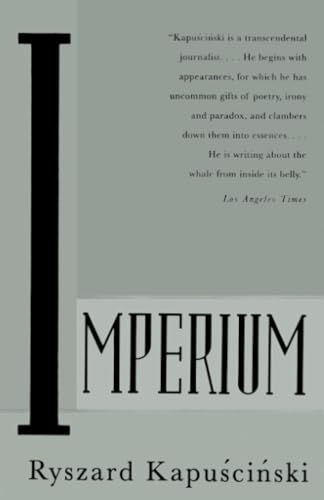
Kapuściński travels across the vast, crumbling Soviet Union, offering the same travelogue-meets-history-lesson style found in Szablowski's work. It is an expansive, reflective look at an empire in decline, filled with the same sense of wonder and horror at human resilience.

For those who appreciated the dark, absurdist humor Szablowski uses to navigate the trauma of Eastern European history, this classic novel is a must-read. It uses satire to expose the absurdity of war and bureaucracy, capturing a similar 'dancing bear' spirit of survival through ridicule.

Prefer to listen?
Try Audible and hear the story instead of reading it.
As an Amazon Associate, we earn from qualifying purchases.
As an Amazon Associate, we earn from qualifying purchases.