

Based on your book
The Dangers of Smoking in Bed
by Mariana Enriquez
Mariana Enriquez writes stories that feel like a fever dream unfolding on a humid night in Buenos Aires. In this collection, the mundane edges of city life are constantly fraying to reveal something rotting or hungry underneath. You will encounter ghosts that linger in apartment blocks, children who possess disturbing appetites, and a pervasive sense of social decay that acts as a breeding ground for the supernatural. The prose is unflinching and often grotesque, refusing to offer the reader a comfortable distance from the carnage. It is not a book for those who want their horror neatly contained or explained. Instead, it is for readers who appreciate fiction that uses the macabre to hold a mirror up to political instability and the raw, jagged edges of human desire. Expect to feel unsettled long after you put it down.
10 Books similar to 'The Dangers of Smoking in Bed'
Since you finished these stories, you are likely craving more fiction that treats the supernatural as an inevitable outgrowth of social and political trauma. We selected these titles because they share that specific, sharp-edged tension where feminist critique meets visceral body horror. Whether you are looking for the claustrophobic dread found in Samanta Schweblin or the dark, fairy-tale subversions of Carmen Maria Machado, these authors excel at making the impossible feel dangerously real. They all masterfully bridge the gap between the internal psychological experience and the external, often hostile, world.
As an Amazon Associate, we earn from qualifying purchases.

Since this is the author's other major collection, it is the most logical next step for fans of her visceral, socially conscious, and terrifying Argentine Gothic style. It mirrors the exact same blend of urban horror, political decay, and supernatural dread found in her previous work.

Machado masterfully blends horror, fairy tales, and psychological realism with a sharp, feminist lens, much like Enriquez. The stories are surreal, body-focused, and deeply unsettling, exploring the dangers women face in everyday life.

This novella captures the same sense of dread and environmental anxiety present in Enriquez's work, set against a backdrop of rural Argentine unease. Its tight, claustrophobic pacing creates a hallucinatory reading experience that feels very similar to an Enriquez short story.
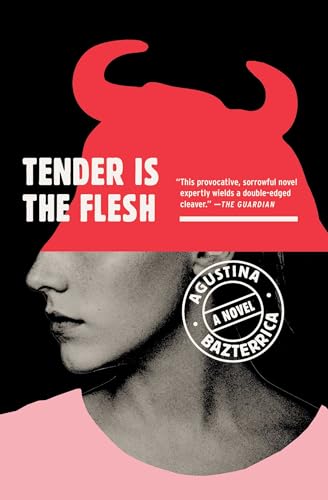
A brutal, dystopian look at a society that has normalized cannibalism, this novel shares the unflinching, grotesque, and socially critical nature of Enriquez's writing. It pushes the boundaries of horror to make a profound statement about human consumption and morality.

Love to read on the go?
Explore Kindle e-readers and take your books with you.
As an Amazon Associate, we earn from qualifying purchases.

Carter's reimagining of classic fairy tales is a foundational text for the kind of dark, feminist, and gothic storytelling Enriquez employs. It shares that same lyrical yet sharp-edged prose that dissects desire, violence, and gender power dynamics.

by Ted Chiang
While more science-fiction oriented, Chiang's short stories share the same intellectual rigor and philosophical depth found in Enriquez's more speculative pieces. Both authors use the short story format to create self-contained, high-concept worlds that challenge the reader's perception of reality.

This novel features a haunted house that acts as a character, blending family history with gothic horror in a way that feels stylistically adjacent to Enriquez. It explores themes of xenophobia and inherited trauma through a lens of unsettling, magical realism.

For readers who appreciate the Latin American tradition of magical realism, this classic offers a multi-generational saga that grounds the supernatural in political reality. It provides the historical and cultural depth that often underpins the horror in Enriquez's stories.

This book brings the classic gothic horror tradition to a Latin American setting, focusing on a crumbling mansion and the secrets buried within. It shares the same atmospheric tension and focus on female agency against patriarchal, decaying institutions found in Enriquez's work.

Though stylistically distinct, this collection shares the same unflinching, often uncomfortable gaze at the darker aspects of human psychology and gender relations. Fans of Enriquez's ability to make the reader feel complicit in the horror will appreciate Wallace's disturbing character studies.

Not sure what they've already read?
Let them pick their next favorite with an Amazon Gift Card.
As an Amazon Associate, we earn from qualifying purchases.
As an Amazon Associate, we earn from qualifying purchases.