

Based on your book
The Debt
by Leigh K. Johnson
The Debt is a claustrophobic descent into the mechanics of obligation and the rot that hides beneath seemingly stable lives. Johnson constructs a narrative where every interaction feels like a transaction, trapping characters in a web of shifting power dynamics and moral compromises. You are not reading for comfort here; the atmosphere is thick with dread, and the pacing forces you to confront the ugly reality of what happens when people are pushed to the edge of survival. It is a psychological puzzle that refuses to offer easy answers about vengeance or redemption. This book is for the reader who enjoys feeling off-balance, someone who prefers stories that peel back the polite veneer of society to expose the transactional cruelty underneath. If you want a story that challenges your own ethical boundaries, this is your next obsession.
10 Books similar to 'The Debt'
Since The Debt leaves you questioning the morality of systemic power and the crushing weight of financial survival, these selections were curated to further explore those uncomfortable truths. Whether you are looking for the investigative rigor found in works like Evicted or the historical context provided by The Warmth of Other Suns, each title mirrors the tension of watching individuals struggle against forces larger than themselves. These books bridge the gap between abstract economic theory and the visceral, human cost of inequality, ensuring that the dark, analytical momentum of Johnson's writing continues long after you finish the final page.
As an Amazon Associate, we earn from qualifying purchases.

Like Johnson's work, this is a profound examination of the history and ethics of debt, challenging conventional economic wisdom. Readers who appreciated the intellectual rigor and philosophical inquiry of 'The Debt' will find this equally transformative and eye-opening.

This book mirrors the focus on systemic economic struggles found in Johnson's writing, grounding abstract concepts of debt and poverty in deeply human, narrative-driven stories. It provides a harrowing look at how financial obligations shape the lives of the marginalized.

Fans of Johnson's exploration of structural inequality will appreciate this meticulously researched account of how government policy created segregated neighborhoods. It offers a similarly critical lens on historical and economic injustice that continues to impact modern society.

This classic work of immersion journalism captures the crushing reality of low-wage labor and the cycle of debt that keeps people trapped. It shares the same urgent, observant tone found in Johnson's analysis of economic precarity.

Not sure what they've already read?
Let them pick their next favorite with an Amazon Gift Card.
As an Amazon Associate, we earn from qualifying purchases.

For readers interested in the intersection of debt, law, and systemic oppression, this book is essential reading. It provides a powerful, intellectual framework for understanding how economic and legal systems are used to maintain social hierarchies.

This book explores the lives of older Americans who lost their homes and savings, turning to a life on the road to survive. It resonates with the themes of financial instability and the loss of the 'American Dream' that underpin Johnson's work.

While focused on medical ethics, this book shares a similar investigative spirit as it uncovers how systems exploit individuals for profit. Readers who liked the detective-like uncovering of historical wrongs in 'The Debt' will be drawn to this narrative.

This deeply intimate portrait of a young girl growing up in a homeless shelter offers a visceral look at the human cost of economic failure. It complements Johnson's academic analysis by providing a heartbreaking, ground-level view of the consequences of debt and poverty.
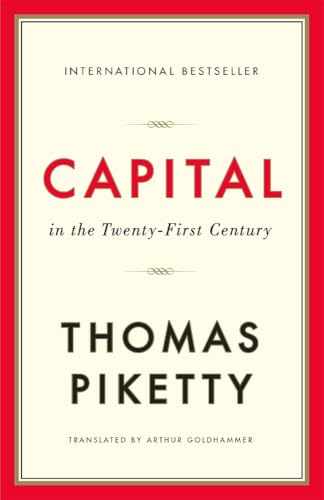
For readers who enjoyed the heavy economic theory and data-driven arguments in Johnson's work, this is the definitive modern text on wealth inequality. It provides the macroscopic view of the financial systems that create the debt crises discussed in similar literature.

This epic history of the Great Migration provides the necessary context for understanding the economic displacement and systemic barriers that lead to the cycles of debt discussed by Johnson. It is a masterful blend of historical research and narrative storytelling.

Prefer to listen?
Try Audible and hear the story instead of reading it.
As an Amazon Associate, we earn from qualifying purchases.
As an Amazon Associate, we earn from qualifying purchases.