

Based on your book
The Design of Everyday Things
by Don Norman
Don Norman's The Design of Everyday Things isn't just about good design; it's a fascinating, often eye-opening, look at why we struggle with so many objects around us. You know that frustration when you can't figure out a new gadget or open a door? Norman argues it's rarely your fault. This book peels back the layers on user-centered design, showing how simple principles of visibility, feedback, and natural mapping can transform frustrating experiences into intuitive ones. Reading it feels like gaining a superpower – you'll suddenly see the world with new eyes, dissecting everything from teapots to software interfaces. It's a deeply analytical yet incredibly accessible read, empowering you to understand and even demand better from the products you use daily. If you're someone who likes to understand the 'why' behind things, enjoys a good intellectual puzzle, or simply wants to stop feeling incompetent around technology, this book will resonate deeply.
10 Books similar to 'The Design of Everyday Things'
If you found yourself nodding along with Don Norman's insights, recognizing how unseen design shapes your daily interactions, then we've got more for you. These selections continue the conversation, diving into the subtle but powerful ways our environments, systems, and products influence human behavior and decision-making. Whether you're interested in the analytical deep dive into cognitive biases, the grand sweep of human systems, or the specific mechanics of how things are engineered to engage us, these books offer a similar thought-provoking journey into the 'design' of our world, often revealing the hidden influences at play.
As an Amazon Associate, we earn from qualifying purchases.
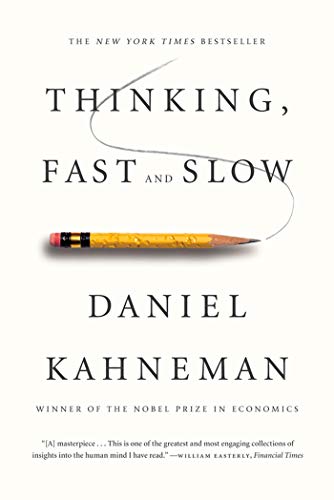
This seminal work delves into the two systems that drive our thinking, revealing cognitive biases that often lead to irrational decisions, much like how poor design can lead to user error. Fans of Norman will appreciate its rigorous, analytical approach to understanding human behavior and decision-making.

Harari provides a sweeping historical analysis of how human systems, beliefs, and technologies have evolved, offering a grander perspective on the 'design' of civilization itself. Readers who enjoy Norman's analytical lens on everyday objects will find a similar intellectual rigor applied to the biggest questions of human existence.
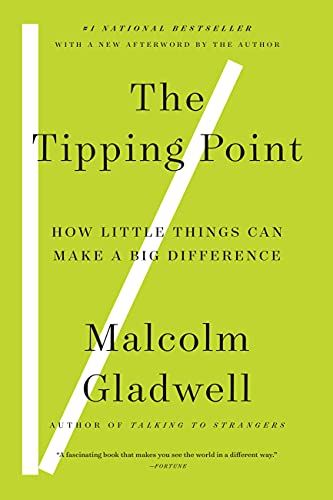
Gladwell explores how small changes can lead to widespread social phenomena, using engaging examples to illustrate complex ideas, much like Norman uses everyday objects to explain design principles. It shares a similar accessible, narrative-driven style for explaining underlying systems and human behavior.

by Richard H. Thaler and Cass R. Sunstein
This book directly addresses 'choice architecture,' showing how subtle design elements in environments and systems can 'nudge' people towards better decisions. It's a perfect companion to Norman, demonstrating the powerful, often invisible, influence of design on human behavior and well-being.

Love to read on the go?
Explore Kindle e-readers and take your books with you.
As an Amazon Associate, we earn from qualifying purchases.

by Michael Moss
Moss exposes the deliberate design strategies used by the food industry to create addictive products, revealing a dark side of human-centered design principles. Fans of Norman will appreciate the investigative, analytical deep dive into how products are engineered to exploit human psychology.

Diamond offers a macro-level analysis of how geographical and environmental factors 'designed' the course of human history and technological development. It provides a grand, systems-level perspective on the origins and impact of human tools and societies, appealing to those who enjoy Norman's analytical approach to how things work.

Schwartz argues that an overwhelming abundance of choice, often a result of poor design or unchecked consumerism, can lead to anxiety and paralysis. This book complements Norman's work by exploring the psychological impact of design decisions that prioritize quantity over clarity and usability.

by Nir Eyal
Eyal provides a framework for designing products that create user habits, offering an inside look at the intentional design principles behind engaging technologies. For those interested in the *why* behind user interaction, this book offers a practical, analytical perspective on how products are designed to influence behavior.

by Steve Krug
Krug's classic applies Norman's core principles of usability and user-centered design directly to the digital world of websites and apps. With a clear, practical, and often witty style, it's an essential read for anyone who appreciates Norman's emphasis on intuitive design and reducing cognitive load.
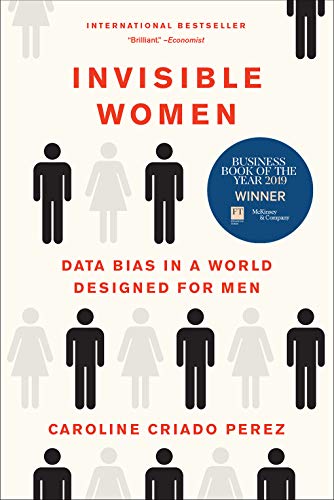
This book meticulously details how a world designed primarily by and for men leads to systems, products, and data that fail women, often with serious consequences. It's a powerful and analytical critique of design flaws from a social justice perspective, resonating with Norman's focus on understanding the user and the impact of design.

Not sure what they've already read?
Let them pick their next favorite with an Amazon Gift Card.
As an Amazon Associate, we earn from qualifying purchases.
As an Amazon Associate, we earn from qualifying purchases.