

Based on your book
The Diary of a Chambermaid
by Mirbeau, Octave
Célestine, a sharp-eyed chambermaid, works in the homes of the French bourgeoisie, observing the moral rot hidden behind polished surfaces. Her diary is not a collection of polite domestic observations but a weaponized account of the petty cruelties, sexual perversions, and hypocrisy she encounters in every household. Mirbeau writes with a biting, cynical edge that forces the reader to look through the keyhole at the elite. You will not find comfort here; instead, you get a gritty, claustrophobic atmosphere where the narrator is as morally compromised as the people she serves. It is a cynical, voyeuristic, and deeply intelligent read for those who prefer their literature to be uncomfortable and honest. If you are interested in the dark side of power dynamics and the way class dictates how we treat one another, this book is for you.
10 Books similar to 'The Diary of a Chambermaid'
Since you enjoyed the cynical, observant nature of Célestine, these recommendations focus on the tension between the observer and the observed. Whether it is the social climbing found in Vanity Fair, the psychological entrapment of The House of Mirth, or the shifting power dynamics in The Servant, these books capture the same moral ambiguity and class resentment. We chose these titles because they peel back the polite layers of society to reveal the decay underneath, perfectly echoing the voyeuristic, outsider perspective that makes Mirbeau’s work so unsettling and rewarding.
As an Amazon Associate, we earn from qualifying purchases.

Like Mirbeau, Maupassant masterfully dissects the moral corruption and social climbing of the French bourgeoisie in the late 19th century. Both novels feature cynical, observant protagonists who use their position to expose the hypocrisy of the elite.

This novel offers a more restrained, poignant look at the life of a servant, focusing on the internal psychological toll of service and loyalty. While less overtly scandalous than Mirbeau's work, it shares the deep, intimate perspective of someone watching history unfold from the periphery.

by William Makepeace Thackeray
Becky Sharp is a literary cousin to Célestine, both being sharp-witted, ambitious women navigating rigid class structures. The novel is a sprawling, satirical masterpiece that mirrors Mirbeau's critique of greed and social climbing.

Wharton provides a devastatingly accurate portrait of the cruelty inherent in high society, much like Mirbeau's depiction of the French upper class. The protagonist's slow descent mirrors the psychological entrapment found in The Diary of a Chambermaid.

Not sure what they've already read?
Let them pick their next favorite with an Amazon Gift Card.
As an Amazon Associate, we earn from qualifying purchases.
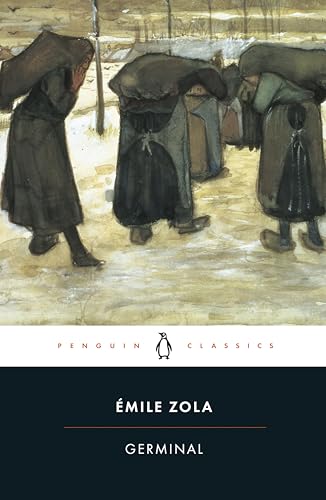
by Émile Zola
If you appreciated Mirbeau's gritty, unflinching look at the harsh realities of life and class struggle, Zola's masterpiece is essential. It captures the same raw, naturalistic intensity and deep empathy for the downtrodden.

This psychological thriller explores the shifting power dynamics between a master and his valet, echoing the unsettling, intimate tension of Mirbeau's work. It delves into the corruption of the soul that occurs when class boundaries are blurred.

by Zoë Heller
Heller's novel features a deeply unreliable, observational narrator whose cynical worldview and obsession with those above her social station recall Célestine's voice. It is a modern exploration of the same voyeuristic, critical impulse found in Mirbeau.

Flaubert's dissection of provincial French life and the stifling nature of bourgeois existence is a direct thematic ancestor to Mirbeau. Both books utilize a biting, realistic style to expose the emptiness beneath social respectability.

This novel masterfully peels back the layers of a seemingly perfect upper-class family to reveal the rot underneath, much like the diary entries in Mirbeau's work. It shares a similar atmosphere of secrets, lies, and moral decay.

by Nella Larsen
Larsen's novel explores the performance of identity and the dangers of crossing social boundaries, themes that resonate with the performative nature of a chambermaid's life. It offers a tense, psychological look at societal expectations and the desire to belong.

Prefer to listen?
Try Audible and hear the story instead of reading it.
As an Amazon Associate, we earn from qualifying purchases.
As an Amazon Associate, we earn from qualifying purchases.