

Based on your book
The Dictionary of Lost Words
by Williams, Pip
Set against the backdrop of the early Oxford English Dictionary project, this story follows Esme, a girl who grows up under the sorting table where lexicographers discard the words they deem unworthy of official record. As she begins secretly collecting these rejected fragments, she discovers that the language left out of the dictionary often belongs to the people society ignores, especially women and the poor. The reading experience is quiet and deliberate, unfolding with the texture of old parchment and the weight of unspoken history. It is a deeply introspective look at how the power to name things is also the power to define reality. If you appreciate prose that savors the nuance of language and enjoy stories about characters who find agency in the margins of history, this will likely become a favorite on your shelf.
10 Books similar to 'The Dictionary of Lost Words'
When you finish this book, you might find yourself craving more stories that treat books as artifacts or explore the quiet power of the unheard voice. We curated this list to highlight that specific intersection of historical research and personal discovery. Whether it is the scholarly obsession with manuscripts or the struggle of women carving out their own intellectual space in restrictive eras, these titles mirror the way Esme finds meaning in the forgotten. Each selection echoes that same reverence for the written word and the transformative act of reclaiming one's own narrative.
As an Amazon Associate, we earn from qualifying purchases.
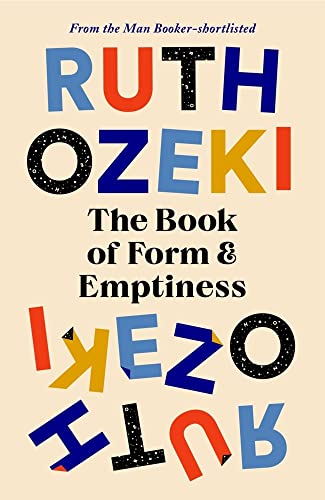
by Ruth Ozeki
Like Williams' work, this novel explores the deep, almost magical relationship between humans and the written word. It offers a similarly thoughtful, lyrical examination of how we categorize our world and find meaning in the objects and language that surround us.

Set in a meticulously realized historical period, this novel shares the atmospheric, immersive quality of Williams' writing. It focuses on a woman carving out her own space and agency within a society that seeks to define her role, much like Esme in her dictionary pursuit.

This book elevates the concept of books and language to a central, mystical plot device, perfect for readers who loved the reverence for words in Williams' novel. It features a lush, historical setting and a deep, emotional core about the power of memory and storytelling.

For those who enjoyed the scholarly, behind-the-scenes look at literary history, this novel offers a dual-timeline mystery centered on rare books and manuscripts. It captures the same intellectual passion and the feeling of uncovering hidden truths buried in the past.

Love to read on the go?
Explore Kindle e-readers and take your books with you.
As an Amazon Associate, we earn from qualifying purchases.

by Jojo Moyes
This historical novel centers on a group of women who find empowerment, friendship, and purpose through the distribution of books. It echoes the themes of female agency, intellectual pursuit, and the transformative power of literature found in The Dictionary of Lost Words.

This is a love letter to literature that shares the same reverence for books as physical artifacts. It offers a more gothic, suspenseful atmosphere but provides the same deeply satisfying experience of being lost in a story about the weight and influence of the written word.

by Sarah Perry
Set in the Victorian era, this novel beautifully balances intellectual curiosity with emotional development. Readers who appreciated the focus on language and the societal constraints of the late 19th century will find a similar depth of character and historical richness here.

by A.S. Byatt
This is a classic for readers who love literary puzzles and the scholarly investigation of the past. It mirrors the academic, research-heavy narrative of Williams' book while weaving in a deeply romantic and complex story that spans generations.

by Sarah Penner
This novel features a strong female protagonist reclaiming her history through objects and secrets, much like Esme collects words. It blends historical narrative with modern discovery, appealing to those who enjoy the feeling of unearthing forgotten stories.

While mythological rather than historical, this book shares the exact 'vibe' of a woman finding her own voice and power in a world dominated by men. The prose is lush and lyrical, and the focus on the protagonist's internal growth and isolation will resonate with fans of Esme's journey.

Not sure what they've already read?
Let them pick their next favorite with an Amazon Gift Card.
As an Amazon Associate, we earn from qualifying purchases.
As an Amazon Associate, we earn from qualifying purchases.