

Based on your book
The Dictionary of Multimedia 1999
by Brad Hansen
The Dictionary of Multimedia 1999 isn't a book you read cover-to-cover, but it's an incredibly satisfying deep dive into the language of a revolutionary era. Imagine sitting down with a seasoned guide who patiently explains every piece of jargon and every emerging concept that defined the digital landscape at the turn of the millennium. It's a technical time capsule, offering precise, no-nonsense definitions for everything from codecs to modems, virtual reality to web protocols, all as they stood in 1999. Flipping through its pages feels like you're stepping into a meticulously organized archive of a rapidly evolving field. This is for anyone who loves understanding the foundational nuts and bolts of technology, who appreciates the clarity of a well-defined term, or who simply wants to grasp the very specific vocabulary that powered the early internet and multimedia boom. It’s a foundational reference that still offers a fascinating historical perspective.
10 Books similar to 'The Dictionary of Multimedia 1999'
If you found yourself fascinated by The Dictionary of Multimedia 1999 and its precise mapping of the digital world, you'll appreciate these kindred spirits. Our selections continue that journey of demystifying technology and defining the nascent digital field, but from different angles. Some, like The Computer Desktop Encyclopedia, offer similar comprehensive reference points for the era's technical landscape. Others, such as The New Hacker's Dictionary and Wired Style, dive into the unique language and cultural nuances that emerged alongside the hardware and software. Together, they paint a complete picture of the intellectual curiosity and structured approach required to navigate the exciting, complex multimedia revolution.
As an Amazon Associate, we earn from qualifying purchases.
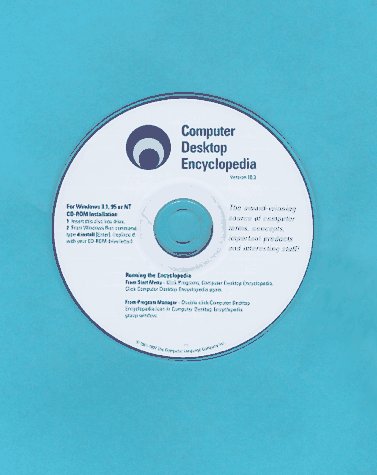
Like Hansen's work, this is a comprehensive reference guide that defines the technical landscape of the late 90s. It provides the same granular detail on hardware and software terminology that multimedia enthusiasts of the era relied upon.

This book captures the linguistic culture of the computing world, offering a more community-focused counterpart to the technical definitions found in the Dictionary of Multimedia. It explores the jargon and slang that shaped the early digital age.

If the Dictionary of Multimedia defines the 'what,' Wired Style explains the 'how' of digital communication during the 1990s. It is a style guide that captures the energetic, fast-paced lexicon of the multimedia revolution.

by Ed Krol
A seminal text from the same era, this book serves as a practical manual for the technologies Hansen defines. It shares the same 'pioneer' spirit and structured approach to explaining complex new systems to a growing audience.

Prefer to listen?
Try Audible and hear the story instead of reading it.
As an Amazon Associate, we earn from qualifying purchases.
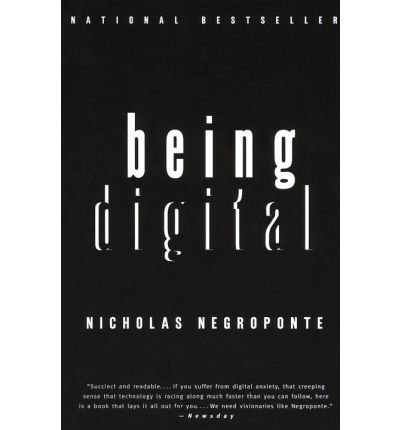
While Hansen provides the definitions, Negroponte provides the philosophy. This book explores the shift from atoms to bits, offering a theoretical framework for why multimedia technology became the dominant force described in Hansen's dictionary.

Multimedia is as much about interaction as it is about data. This collection of essays provides the design context for many of the terms found in Hansen's dictionary, focusing on how users actually experience digital media.
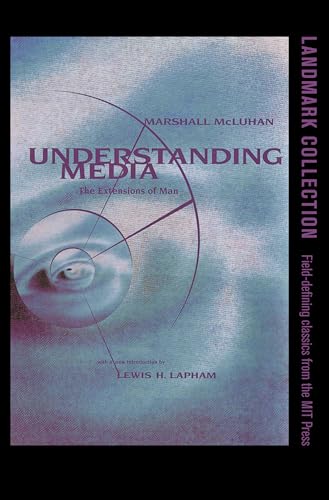
For readers interested in the broader implications of the terms in the Dictionary of Multimedia, McLuhan's classic work provides the foundation of media theory, explaining how the medium itself shapes human perception.

by Katie Hafner
This narrative history provides the backstory for the networking and multimedia protocols defined in Hansen's book. It turns technical definitions into a human story of innovation and collaboration.

by Tom Standage
This book offers a fascinating historical parallel to the 1990s multimedia boom by examining the telegraph. It provides a unique perspective on the 'newness' of the technologies Hansen documents, showing that the digital revolution had ancestors.

by Louis Rosenfeld and Peter Morville
Often called the 'Polar Bear Book,' this is the definitive guide to organizing the digital information that Hansen's dictionary categorizes. It shares the same focus on structure, clarity, and the systematic organization of digital content.

Love to read on the go?
Explore Kindle e-readers and take your books with you.
As an Amazon Associate, we earn from qualifying purchases.
As an Amazon Associate, we earn from qualifying purchases.