

Based on your book
The Digital Delusion
by Cooney Horvath, Jared
The Digital Delusion functions as a cold, sharp-eyed autopsy of our modern relationship with technology. Horvath moves past the common complaints about screen time to investigate the structural ways our digital habits have fundamentally altered human perception and social reality. You will find this a dense, analytical read that favors evidence-based observation over alarmist rhetoric. It feels like sitting across from a researcher who has spent years connecting dots that most of us are too distracted to even notice. The pacing is deliberate and measured, designed to force you into the exact kind of deep, focused thought that the book argues we are losing. This is an essential pick for readers who enjoy unmasking the invisible systems governing their lives and for anyone currently experiencing a quiet, nagging sense that the digital world is not as benign as it seems.
10 Books similar to 'The Digital Delusion'
Since The Digital Delusion excels at exposing the invisible architecture of our cognitive and social decline, these selections were curated to deepen your understanding of the digital trap. We have gathered works that span from the neuroscience of attention to the economic incentives fueling our dependency. If you want to move beyond the theory and into the mechanics of why your brain feels fractured, the works by Carr and Alter are indispensable. For those ready to address the moral dilemma of our hyper-connected existence, Turkle and Lanier offer the necessary push toward radical digital autonomy.
As an Amazon Associate, we earn from qualifying purchases.

Like Horvath's work, this book provides a deep dive into the neuroscience of how digital technology is physically altering our cognitive pathways. It shares the same analytical and thought-provoking tone, challenging readers to consider the long-term impact of their digital habits.

Turkle explores the paradox of being constantly connected yet increasingly isolated, mirroring the core themes of digital delusion found in Horvath's research. It offers a critical, observational look at how digital communication shifts our interpersonal dynamics.

by Cal Newport
Newport provides a practical, evidence-based approach to reclaiming attention in a digital age, making it a perfect companion to Horvath's warnings. It shares the same informative and empowering spirit, focusing on how to mitigate the negative effects of technology.

For readers interested in the macro-level implications of the digital delusion, this book details how tech giants manipulate human behavior for profit. It is a dense, intellectual, and deeply disturbing look at the systems behind the screens we use every day.

Not sure what they've already read?
Let them pick their next favorite with an Amazon Gift Card.
As an Amazon Associate, we earn from qualifying purchases.

by Adam Alter
Alter investigates the psychological mechanisms that make technology so addictive, aligning perfectly with Horvath's focus on how our brains respond to digital stimuli. It is an informative and gripping read that exposes the design choices behind our devices.

by Johann Hari
Hari investigates the systemic causes of our collective attention deficit, echoing Horvath's concerns about how digital environments degrade our cognitive abilities. It is a compelling, well-researched argument that balances critique with a sense of hope for recovery.

Focusing specifically on the developmental impact of screen time, this book mirrors Horvath's concern for how digital tools reshape the mind. It is a stark, cautionary, and highly informative read for anyone concerned about the intersection of technology and human development.

by Sinan Aral
Aral provides a scientific and data-driven perspective on how social media platforms function as 'hype machines,' complementing the psychological insights found in Horvath's work. It is an intellectual and observational deep dive into the mechanics of digital influence.

by Jaron Lanier
Lanier, a tech insider, offers a scathing and philosophical critique of the digital landscape that aligns with the 'delusion' framework Horvath presents. It is a concise, witty, and punchy read that challenges the reader to reconsider their digital footprint.
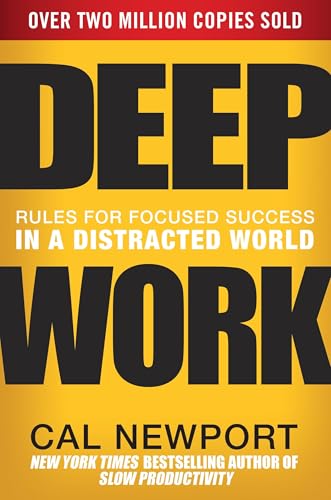
by Cal Newport
While more prescriptive than Horvath's descriptive analysis, this book addresses the same problem: how digital distraction prevents meaningful cognitive engagement. It is an empowering and analytical guide that fans of Horvath will find highly practical.

Prefer to listen?
Try Audible and hear the story instead of reading it.
As an Amazon Associate, we earn from qualifying purchases.
As an Amazon Associate, we earn from qualifying purchases.