

Based on your book
The Disappearing Spoon
by Kean, Sam
The periodic table is usually presented as a sterile grid of letters and numbers, but Sam Kean reanimates it by digging into the chaotic, often absurd history of the elements themselves. He connects the dots between atomic properties and human folly, profiling the scientists, swindlers, and obsessives who discovered these building blocks of our universe. You will find tales of poisoned kings, financial ruin, and the strange, metallic truth behind everyday items. The reading experience is like sitting down with a brilliant, slightly irreverent professor who knows exactly where the bodies are buried. It is fast-paced, intellectually dense, and consistently surprising. If you are the type of person who finds the hidden mechanics of reality more fascinating than the surface level, this book will change how you look at the world around you.
10 Books similar to 'The Disappearing Spoon'
If you finished this book and found yourself craving more stories where science intersects with human drama, these selections are for you. I chose these titles because they share that distinct blend of analytical rigor and narrative wit. Whether you are interested in the dark side of forensic toxicology, the hidden history of materials science, or the personal lives of researchers, these authors excel at stripping away the academic veneer. They treat scientific discovery not as a cold process, but as a messy, high-stakes human endeavor filled with ambition, failure, and genuine wonder.
As an Amazon Associate, we earn from qualifying purchases.

by Bill Bryson
Like Sam Kean, Bryson has a gift for taking complex scientific concepts and weaving them into a narrative filled with humor, odd characters, and fascinating historical anecdotes. It shares the same accessible, witty, and deeply informative approach to explaining how the world works.

This book masterfully combines rigorous scientific inquiry with a deeply human story, much like Kean's ability to ground chemical elements in historical drama. It explores the intersection of scientific progress and personal ethics with a compelling, narrative-driven style.

Miodownik shares Kean's enthusiasm for the 'hidden' science behind everyday objects, bringing materials science to life with the same infectious curiosity. It is a perfect follow-up for readers who enjoyed learning the secret histories of the periodic table.

by Penny Le Couteur and Jay Burreson
This book mirrors the structure of 'The Disappearing Spoon' by focusing on specific chemical agents and tracing their profound, often surprising, impact on human civilization. It is an essential read for anyone who loves seeing history through the lens of chemistry.

Not sure what they've already read?
Let them pick their next favorite with an Amazon Gift Card.
As an Amazon Associate, we earn from qualifying purchases.

by Sam Kean
Since this is written by the same author, it retains the exact same voice, pacing, and penchant for bizarre, true-life scientific stories. If you loved the storytelling style of 'The Disappearing Spoon,' this exploration of DNA is the natural next step.

While Kean focuses on the periodic table as a framework for anecdotes, Aldersey-Williams dives deeper into the cultural and historical relationships humans have formed with the elements. It shares the same thematic focus but offers a more philosophical and artistic perspective.

by Deborah Blum
Fans of the macabre and historical anecdotes in 'The Disappearing Spoon' will appreciate this deep dive into early 20th-century toxicology. It blends true crime, chemistry, and history with a narrative flair that makes science feel like a thriller.
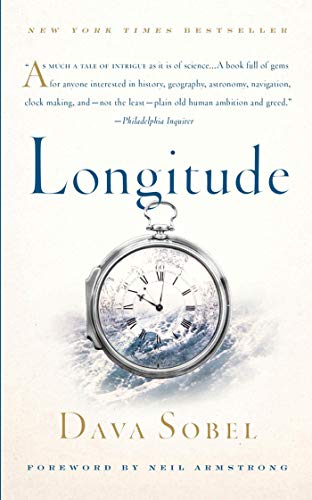
by Dava Sobel
Sobel excels at the 'scientific biography' genre, focusing on a single, obsessed individual and the impact of their discovery, similar to the profiles Kean writes about chemists. It is concise, fascinating, and highlights the human struggle behind scientific breakthroughs.

by Hope Jahren
Jahren's memoir provides a personal, intimate look at the life of a scientist, balancing the technical aspects of botany with the emotional reality of a career in research. It matches the 'human element' that Kean infuses into his scientific writing.

by Oliver Sacks
Sacks is the master of the narrative case study, using clinical neurology to tell deeply moving, human stories that are as fascinating as they are educational. Like Kean, he treats his subjects with empathy and curiosity, making complex science profoundly relatable.

Prefer to listen?
Try Audible and hear the story instead of reading it.
As an Amazon Associate, we earn from qualifying purchases.
As an Amazon Associate, we earn from qualifying purchases.