

Based on your book
THE DISPOSSED
by Ursula K. Le Guin
The Dispossessed follows Shevek, a physicist from the desolate, anarchist moon of Anarres, as he travels to the lush, capitalist planet of Urras. Le Guin crafts a slow-burning, intellectual narrative that functions more as a thought experiment than a traditional space opera. You spend much of the book inside Shevek’s mind as he navigates the jarring contrast between his austere, communal home and the opulent, possessive culture of his hosts. The prose is patient and deeply philosophical, forcing you to reconsider the foundations of property, freedom, and human connection. It is not a book for those seeking adrenaline-fueled conflict; rather, it is for readers who enjoy being challenged by complex social theory and want to see how an individual’s integrity holds up when placed in a system that fundamentally contradicts everything they have ever known.
10 Books similar to 'THE DISPOSSED'
When you finish Shevek’s journey, you might feel a lingering need to explore the friction between personal autonomy and rigid societal structures. The books listed here were chosen because they mirror that same intellectual rigor, whether they are examining the nuances of language and diplomacy or the harsh realities of constructing a new political order. From the anthropological depth of The Left Hand of Darkness to the gritty, urgent social shifts in Parable of the Sower, these selections lean into the same themes of outsider perspectives and the difficult, necessary work of questioning the status quo.
As an Amazon Associate, we earn from qualifying purchases.

As a companion piece to the Hainish Cycle, this novel shares Le Guin's masterful ability to blend anthropological exploration with profound political and philosophical inquiry. Readers who appreciated the examination of social structures in The Dispossessed will find equal depth in this study of gender, isolation, and diplomacy.

by Marge Piercy
This classic work of speculative fiction mirrors Le Guin's exploration of utopian ideals versus harsh reality. It presents a dual narrative that challenges the reader to consider the intersection of personal agency and societal structure, much like Shevek's journey.
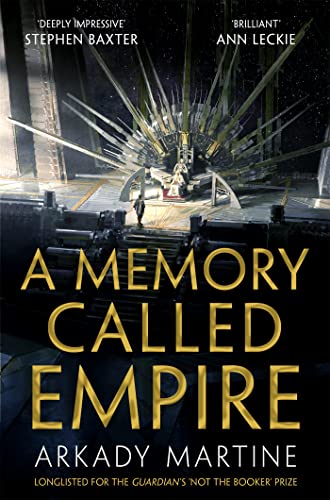
This novel features a protagonist navigating a complex, foreign culture while grappling with the weight of their own identity and political loyalties. The focus on linguistic nuance, diplomatic maneuvering, and the tension between individual and state echoes the core conflicts of The Dispossessed.

While ideologically distinct from Le Guin's anarcho-syndicalism, this book provides a fascinating counterpoint through its depiction of a lunar colony seeking independence. It offers a similarly rigorous look at how political systems function under extreme environmental and social constraints.

Love to read on the go?
Explore Kindle e-readers and take your books with you.
As an Amazon Associate, we earn from qualifying purchases.

Fans of The Dispossessed who are interested in the 'utopia-gone-wrong' theme will appreciate this seminal work. It examines the cost of stability and the loss of individuality, themes that Shevek grapples with throughout his time on Urras.

This book shares Le Guin's fascination with language, communication, and the way it shapes our perception of reality and society. Its dense, intellectual atmosphere and focus on the 'outsider' trying to bridge two worlds will resonate deeply with fans of Shevek's narrative.

by N.K. Jemisin
Jemisin crafts a world where the environment and social order are inextricably linked, mirroring the relationship between Anarres and Urras. The focus on systemic oppression and the personal cost of revolution provides a powerful, modern echo of Le Guin's themes.

While more melancholic and character-focused, this novel shares a deep interest in how society rebuilds and maintains culture after a collapse. Its contemplative tone and focus on the importance of art and philosophy in human survival mirror the intellectual heart of The Dispossessed.

by Isaac Asimov
For readers who enjoyed the 'big picture' political and historical scope of Le Guin's work, Asimov's classic series offers a grand-scale exploration of societal decline and the role of individuals in shaping history. It is a foundational text of intellectual science fiction.

Butler's work provides a raw, unflinching look at societal breakdown and the necessity of creating new belief systems, much like the anarchist experiment on Anarres. The protagonist's philosophical journey and resilience will feel very familiar to those who admired Shevek's tenacity.

Not sure what they've already read?
Let them pick their next favorite with an Amazon Gift Card.
As an Amazon Associate, we earn from qualifying purchases.
As an Amazon Associate, we earn from qualifying purchases.