

Based on your book
The divide
by Jason Hickel
The Divide isn't just a book you read; it's a profound re-education on global inequality. Jason Hickel meticulously dismantles the prevailing narrative that poverty is a natural state or merely a lack of aid, instead revealing a system deliberately structured to extract wealth from the Global South. This isn't light reading; it's a deeply analytical and often enraging journey through history, political intrigue, and power dynamics. Hickel's prose is sharp and direct, pulling back layers of comforting myths to expose raw truths. You'll finish it with a radically altered understanding of how the world truly operates. This book is for anyone ready to challenge their assumptions about development, economics, and justice, and who craves a complex, thought-provoking deep dive into social commentary and historical analysis.
10 Books similar to 'The divide'
If The Divide left you hungry for more rigorous social commentary and historical deep dives, our recommendations continue that journey. We've curated books that share Hickel's unflinching look at power dynamics and political intrigue, exploring how global economic systems perpetuate inequality. From critical analyses of colonialism and neoliberalism to anthropological studies of debt, these selections provide further layers to understanding the complex, interconnected forces that shape our world. They offer different angles on the same urgent questions of justice and structural change that Hickel so powerfully illuminates.
As an Amazon Associate, we earn from qualifying purchases.

by Jason Hickel
As the follow-up to The Divide, this book expands on the ecological consequences of global capitalism. It offers a radical yet hopeful path forward, moving from a critique of global inequality to a vision for a sustainable future.

by Frantz Fanon
This seminal work provides the foundational psychological and political critique of colonialism that informs much of Hickel's analysis. It explores the dehumanizing effects of imperial power and the necessity of structural transformation.
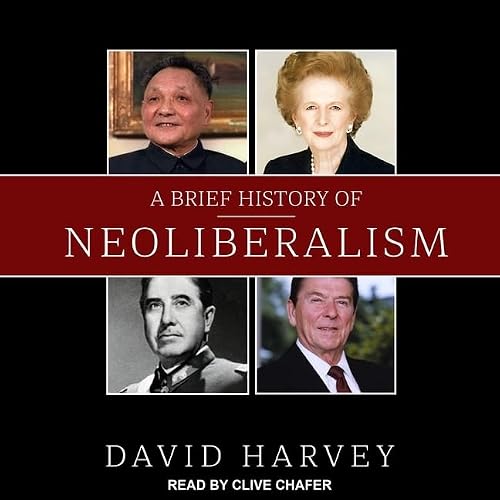
by David Harvey
Harvey provides a rigorous academic framework for the economic shifts described in The Divide. This book is essential for readers who want to understand the specific policy mechanisms that created the modern global wealth gap.

by Naomi Klein
Like Hickel, Klein investigates how global crises are exploited to implement unpopular economic policies. It shares the same investigative tone and focus on how the Global South is impacted by Western economic strategies.

Not sure what they've already read?
Let them pick their next favorite with an Amazon Gift Card.
As an Amazon Associate, we earn from qualifying purchases.

This is a direct precursor to the arguments in The Divide, detailing how the prosperity of the West was built on the deliberate extraction of wealth from Africa. It is a masterpiece of historical and economic analysis.

Graeber's anthropological look at debt mirrors Hickel's exploration of how financial systems are used as tools of control. It challenges fundamental assumptions about how the global economy functions and who it serves.
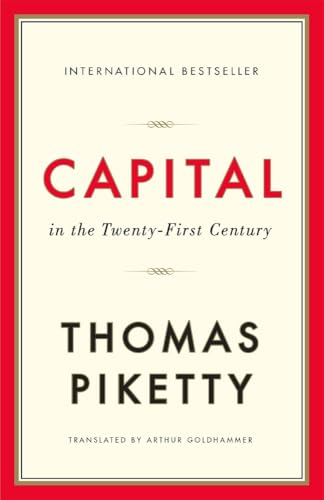
For readers who appreciated the data-driven approach of The Divide, Piketty offers an exhaustive look at wealth concentration. It provides the statistical backbone for understanding why inequality is an inherent feature of the current system.

This book provides the broad historical context for global trade and power shifts that Hickel discusses. It reframes world history away from a Western-centric perspective, much like the narrative shift found in The Divide.

Giridharadas critiques the 'philanthro-capitalism' that Hickel often cites as a distraction from real structural change. It is a sharp, contemporary look at how global elites maintain the status quo while appearing to help.

by Johann Hari
While focusing on attention, Hari utilizes a similar structural analysis to Hickel, looking at how systemic forces and corporate interests shape our daily lives. It shares the same 'uncovering the hidden truth' atmosphere.

Prefer to listen?
Try Audible and hear the story instead of reading it.
As an Amazon Associate, we earn from qualifying purchases.
As an Amazon Associate, we earn from qualifying purchases.