

Based on your book
The Doomsday Men
by Priestley, J.B.
J.B. Priestley takes a sharp turn into high-stakes paranoia with this story about three men who find themselves entangled in a terrifying conspiracy to end the world. Set against a backdrop of encroaching global tension, the narrative follows an unlikely group as they uncover a secret society obsessed with scientific annihilation. The experience of reading this is like walking through a thick fog where every shadow hides a threat; it is tense, claustrophobic, and moves with an urgency that makes you want to finish it in one sitting. It is not just a thriller about stopping a bomb, but a meditation on the fragility of a civilization that has grown too clever for its own good. If you enjoy vintage suspense that feels both grounded in historical anxiety and surprisingly prescient, this is for you.
10 Books similar to 'The Doomsday Men'
If this brush with global catastrophe left you craving more, these selections expand on the themes of existential dread and political shadow-play. We chose these titles because they share that distinct early twentieth-century anxiety regarding scientific progress and the hidden hands guiding world events. Whether you are looking for the gritty espionage found in Maugham and Childers or the surreal, philosophical tension of Chesterton, these books mirror the sense of a world standing on a razor's edge. They are perfect for readers who appreciate how easily society can unravel when secrets collide with hubris.
As an Amazon Associate, we earn from qualifying purchases.
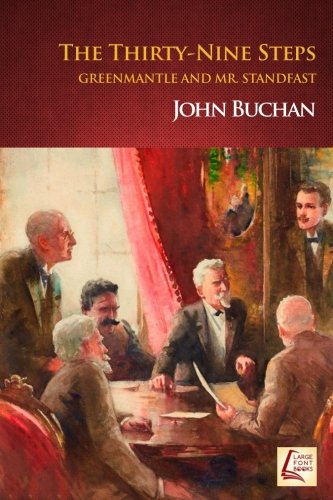
by John Buchan
Like Priestley's work, this is a quintessential British thriller from the early 20th century that blends high-stakes adventure with international conspiracy. It captures the same sense of an ordinary person thrust into a dangerous, fast-paced race against time.

by H.G. Wells
Priestley's novel shares the early science fiction DNA found in Wells' work, particularly the anxiety surrounding technological advancement and global catastrophe. Both books explore the vulnerability of civilization when faced with an existential, scientific threat.

This novel mirrors the surreal, slightly nightmarish atmosphere and the focus on secret societies found in 'The Doomsday Men'. It combines political intrigue with a philosophical, almost dreamlike narrative structure.

Sharing the era's deep concern about the misuse of science and the fragility of societal structures, this classic offers a similar cautionary tone. It resonates with Priestley's interest in how human obsession with 'progress' can lead to ruin.

Prefer to listen?
Try Audible and hear the story instead of reading it.
As an Amazon Associate, we earn from qualifying purchases.

by John Wyndham
Wyndham excels at the 'cozy catastrophe' genre, which Priestley touches upon; the sense of a world on the brink of collapse due to scientific hubris is central to both. It features the same blend of British stoicism in the face of absolute disaster.

For readers who enjoyed the espionage and international travel elements of Priestley's writing, Maugham provides a more grounded, cynical look at intelligence work. It captures the same pre-war tension and global scope.

Greene shares Priestley's ability to weave political tension with deep character study, often set against a backdrop of impending doom. The moral dilemmas faced by the characters in both novels create a similar sense of existential weight.

This classic espionage novel, which helped define the genre, shares the adventurous spirit and the 'ordinary men uncovering a massive plot' structure of 'The Doomsday Men'. It is a foundational text for anyone interested in early 20th-century thrillers.

by Ray Bradbury
Bradbury's work echoes the fear of societal decay and the dangerous power of technology that Priestley explored. Both authors use a narrative of impending destruction to critique the values of their contemporary societies.

Conrad’s masterpiece deals with the dark underbelly of political extremism and the unintended consequences of radical actions. It shares the cynical, observational tone that Priestley employed to depict the madness of 'doomsday' plotters.

Love to read on the go?
Explore Kindle e-readers and take your books with you.
As an Amazon Associate, we earn from qualifying purchases.
As an Amazon Associate, we earn from qualifying purchases.