

Based on your book
The Dream of Scipio
by Pears, Iain
Pears crafts a triptych of stories set during three distinct periods of societal collapse: the fall of the Roman Empire, the Black Death, and the rise of fascism in the 20th century. At the center of each narrative is a philosopher struggling to maintain intellectual and moral integrity while the world burns around them. The prose is dense and demanding, favoring long-form inquiry over quick action. You are not reading this for a fast-paced thriller, but for the satisfaction of watching complex ideas collide with the harsh realities of history. This is a book for the patient reader who enjoys feeling challenged, someone who wants to sit with the weight of existential questions and the cyclical, often tragic, nature of human progress. It is a slow burn that rewards your focus with a profound sense of temporal perspective.
10 Books similar to 'The Dream of Scipio'
Since you enjoyed how Pears bridges centuries through shared philosophical dilemmas, these selections were curated to satisfy that same intellectual curiosity. If you found the shifting perspectives in Scipio particularly resonant, you will appreciate how authors like David Mitchell and A.S. Byatt use multi-layered structures to explore the persistence of ideas across time. We have also included works by Umberto Eco and Amor Towles, which mirror the way Pears places individual moral agency at the heart of massive historical upheaval. Each of these books offers that rare, thoughtful balance between rigorous research and deep, existential meditation.
As an Amazon Associate, we earn from qualifying purchases.

by A.S. Byatt
Like The Dream of Scipio, this novel masterfully weaves together two distinct timelines, connecting modern-day scholars with the lives of Victorian poets. It shares a deep intellectual rigor and a love for historical mystery that will resonate with fans of Pears's erudite storytelling.

This ambitious work mirrors the multi-layered, interconnected structure of Pears's novel, spanning centuries and genres to explore the cyclical nature of humanity. It offers a similarly complex, philosophical reading experience that rewards careful attention.

by Umberto Eco
Fans of the medieval sections of The Dream of Scipio will appreciate Eco's dense, atmospheric immersion into 14th-century monastic life. It combines a gripping historical mystery with profound theological and philosophical debate.

by Iain Pears
Written by the same author, this novel is the natural next step for anyone who enjoyed the narrative complexity of The Dream of Scipio. It utilizes multiple unreliable narrators to dissect a single historical event, creating a puzzle that is as intellectually stimulating as it is suspenseful.

Love to read on the go?
Explore Kindle e-readers and take your books with you.
As an Amazon Associate, we earn from qualifying purchases.

by Ken Follett
While more focused on the physical construction of a cathedral, this epic captures the same sense of historical scope and the impact of societal shifts on individual lives. It offers the same immersive, multi-generational storytelling that makes Pears's work so compelling.

Set in post-Civil War Barcelona, this novel shares the atmospheric, book-centric, and melancholic tone found in Pears's work. It masterfully blends historical reality with a sense of hidden worlds and intellectual discovery.

by Amor Towles
This book captures the philosophical resilience of an individual caught in the tides of history, much like the protagonists in The Dream of Scipio. It is beautifully written, introspective, and deeply concerned with how one maintains integrity during times of political upheaval.
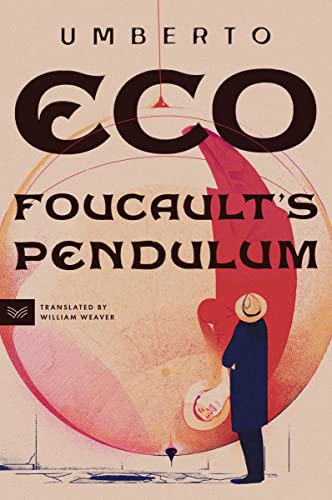
by Umberto Eco
If you enjoyed the intellectual puzzle-solving and the weight of history in Pears's writing, this novel is a perfect match. It delves deep into conspiracy theories, secret societies, and the dangerous power of ideas across time.

This novel shares the lyrical prose and the sense of fragmented, overlapping histories that define The Dream of Scipio. Its exploration of identity, memory, and the devastation of war provides a similar emotional and intellectual weight.

Atkinson explores the 'what if' of history and individual destiny through a unique, repeating structure that echoes the multi-timeline approach of Pears. It is a profound meditation on fate, choice, and the turbulence of the 20th century.

Not sure what they've already read?
Let them pick their next favorite with an Amazon Gift Card.
As an Amazon Associate, we earn from qualifying purchases.
As an Amazon Associate, we earn from qualifying purchases.