
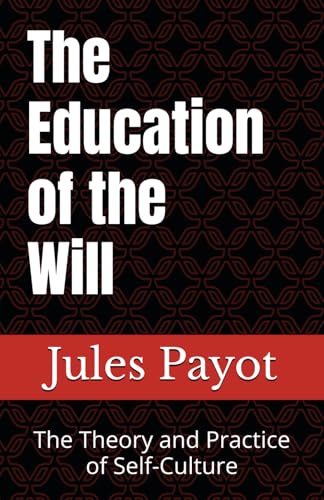
Based on your book
The Education of the Will
by Payot, Jules
Jules Payot wrote this book at the turn of the twentieth century, yet it feels startlingly relevant for anyone struggling with the modern fragmentation of attention. Rather than offering quick fixes or superficial life hacks, Payot treats the will as a muscle that must be methodically trained through discipline and intellectual labor. The reading experience is serious, academic, and deeply introspective; it demands a reader who is willing to slow down and sit with uncomfortable truths about their own mental habits. Payot does not coddle the reader, instead challenging them to reject the distractions of social opinion and emotional volatility. If you are looking for a rigorous, philosophical framework to help you take command of your internal life and move past the inertia of day-to-day existence, this book provides the blueprint you need.
10 Books similar to 'The Education of the Will'
If the disciplined, introspective atmosphere of Payot spoke to you, these selections were chosen to deepen your exploration of self-mastery. We curated this list by prioritizing works that treat personal agency as a project rather than a personality trait. Whether you are interested in the ancient Stoic foundations of Marcus Aurelius and Seneca, or the modern, behavioral approaches found in Cal Newport and James Clear, these titles all share a commitment to intentional living. They bridge the gap between abstract philosophy and the practical, daily effort required to align your actions with your deepest values.
As an Amazon Associate, we earn from qualifying purchases.

Like Payot’s work, this foundational text serves as a practical guide to self-discipline and mental fortitude. It offers timeless wisdom on controlling one's reactions and maintaining focus amidst the chaos of life, mirroring the stoic undertones found in The Education of the Will.

Frankl’s exploration of finding purpose through suffering aligns perfectly with Payot’s emphasis on the power of the human will. Both books argue that our internal state and choices are the ultimate determinants of our character and resilience.

by James Allen
This classic work shares the core premise of Payot’s philosophy: that our external circumstances are shaped by our internal thoughts and willpower. It is a concise, powerful read for anyone interested in the direct link between mental discipline and life outcomes.

Gracián provides a series of aphorisms that demand the same level of intellectual rigor and self-mastery that Payot advocates. Readers who appreciate the analytical and disciplined approach to life in The Education of the Will will find this equally sharp and practical.

Not sure what they've already read?
Let them pick their next favorite with an Amazon Gift Card.
As an Amazon Associate, we earn from qualifying purchases.

Emerson’s essay echoes Payot’s call to avoid the distractions of public opinion and instead cultivate one's own internal strength. Both authors champion the individual's responsibility to develop their own mind and will against the pressures of conformity.

by James Clear
While written in a modern context, Clear’s book is the practical, scientific successor to the principles of willpower Payot championed. It breaks down the 'education of the will' into actionable, behavioral systems that readers of Payot will find highly effective.
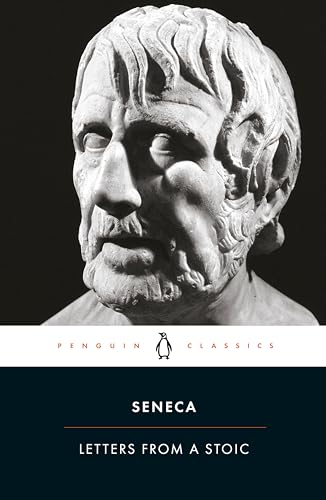
by Seneca
Seneca’s letters offer direct advice on how to live with intention, avoid the pitfalls of passion, and strengthen the mind—themes that form the bedrock of Payot’s classic. It provides a historical, conversational counterpart to the structured advice in The Education of the Will.

by Ichiro Kishimi and Fumitake Koga
Presented as a dialogue between a philosopher and a student, this book explores Adlerian psychology in a way that mirrors Payot’s focus on personal agency. It challenges the reader to take full responsibility for their life, a central tenet of Payot's philosophy.

Thoreau’s experiment in living is an exercise in the very willpower and focus Payot describes. Readers who enjoy the disciplined, introspective atmosphere of The Education of the Will will appreciate Thoreau’s commitment to stripping away the non-essential to strengthen the self.

by Cal Newport
Newport’s focus on cultivating the ability to focus without distraction is essentially a modern, productivity-focused application of Payot’s 'education of the will.' It addresses the same difficulty of maintaining mental discipline in an age of constant interruption.

Love to read on the go?
Explore Kindle e-readers and take your books with you.
As an Amazon Associate, we earn from qualifying purchases.
As an Amazon Associate, we earn from qualifying purchases.