

Based on your book
The Electricity of Every Living Thing
by May, Katherine
Katherine May writes with the precision of a cartographer mapping her own internal landscape. In this memoir, she recounts her experience of walking the entire South West Coast Path in England, a physical challenge she undertakes while grappling with the recent, life-altering realization that she is autistic. The book is not a traditional travelogue; instead, it is a quiet, steady exploration of what it means to live in a world that often feels overwhelmingly loud and discordant. May captures the sensory intensity of the coast and the exhaustion of trying to perform normalcy. The pacing is deliberate and rhythmic, mirroring the meditative act of walking itself. If you enjoy memoirs that prioritize thoughtful observation over dramatic plot twists and appreciate writers who can articulate the strange, lonely beauty of feeling like an outsider, this book will feel like a long-overdue conversation with a kindred spirit.
10 Books similar to 'The Electricity of Every Living Thing'
Since you connected with the introspective, nature-steeped journey in this memoir, we have selected books that balance the physical act of moving through the world with the intellectual search for identity. Whether through the lens of neurodivergence or the healing power of long-distance walking, these titles mirror the same sense of observational wonder and vulnerable self-discovery. We focused on works that treat the landscape as a mirror for the interior life, providing both the comfort of shared experience and the intellectual validation that often follows the realization of who we truly are.
As an Amazon Associate, we earn from qualifying purchases.

Written by the same author, this book is a natural companion piece that explores the necessity of retreating from the world to heal. Readers who appreciated the introspective and nature-focused narrative of 'The Electricity of Every Living Thing' will find similar comfort in May's wisdom on navigating life's colder seasons.

Like May's memoir, this book uses the physical act of long-distance hiking as a vehicle for internal processing and healing. Both authors share a raw, honest narrative voice that documents the struggle to find oneself while navigating the challenges of the natural world.
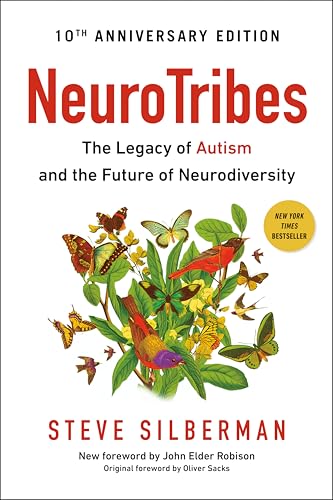
For readers who connected with the exploration of autism in May's work, this book provides a deep, intellectual, and historical context to the condition. It offers a broader perspective on the neurodivergent experience while maintaining a deeply human and empathetic tone.

This memoir masterfully blends nature writing with personal grief, much like May's work blends nature with the discovery of neurodivergence. The lyrical prose and the intense, singular focus on a specific task—training a goshawk—mirror the meditative quality of May's coastal walks.

Prefer to listen?
Try Audible and hear the story instead of reading it.
As an Amazon Associate, we earn from qualifying purchases.

by Devon Price
This book serves as both a practical guide and a deeply personal exploration of the 'masking' phenomenon that May describes in her own life. It validates the experience of late-diagnosed adults and provides a comforting, informative framework for understanding the neurodivergent self.

by Raynor Winn
Sharing the theme of finding solace in walking, this memoir recounts a couple's journey along the South West Coast Path after losing everything. Fans of May's descriptive, nature-oriented prose will appreciate how Winn uses the environment to mirror her internal state of transition.

Kimmerer's work offers a profound, observational connection to the natural world that resonates with the sensory focus found in May's writing. It is a contemplative, lyrical exploration of how the environment can teach us about our own place in the world.

by Susan Cain
While more sociological than memoir, this book provides the intellectual validation that many readers of 'The Electricity of Every Living Thing' crave. It examines the friction between a sensitive, internal nature and a loud, demanding society, mirroring May's own struggles with sensory overload.

by Matt Haig
Haig's memoir about his experience with depression and anxiety shares the same vulnerable, honest, and ultimately hopeful tone as May's work. It is a short, accessible, and deeply personal account of navigating the world when your internal chemistry feels at odds with reality.

For those who were captivated by the significance of walking in May's narrative, Solnit provides a brilliant, wide-ranging history of the act. It combines intellectual rigor with a reflective, poetic style that elevates the simple act of putting one foot in front of the other.

Love to read on the go?
Explore Kindle e-readers and take your books with you.
As an Amazon Associate, we earn from qualifying purchases.
As an Amazon Associate, we earn from qualifying purchases.