

Based on your book
The End of Eternity
by Isaac Asimov
Isaac Asimov's The End of Eternity plunges you into a secret, timeless organization that meticulously tweaks history, making subtle "Reality Changes" to guide humanity's development. You follow Andrew Harlan, a technician within this powerful, unseen force, whose job it is to make these calculated adjustments. But when a forbidden romance sparks, Harlan uncovers a conspiracy that challenges everything he knows about his world, his mission, and the very nature of existence. This is a book that feels like a meticulously crafted intellectual puzzle, a slow-burn mystery where every temporal shift raises profound questions about fate, free will, and the true cost of a "perfect" future. If you love stories that are as much a philosophical debate as they are a thrilling sci-fi adventure, this one will keep your mind buzzing.
10 Books similar to 'The End of Eternity'
For those who found themselves utterly engrossed by the intricate temporal mechanics and profound moral questions woven into The End of Eternity, we have a collection of books that resonate with its unique blend of intellectual mystery and high-stakes ethical dilemmas. Whether it’s exploring the paradoxes of time travel, grappling with vast, unseen forces subtly shaping humanity's destiny, or questioning the very nature of reality and free will, these selections will challenge your mind and stay with you long after the final page.
As an Amazon Associate, we earn from qualifying purchases.

Fans of Asimov's "The End of Eternity" will appreciate "Tau Zero" for its grand scale and intellectual exploration of time and human endurance. It presents a thrilling hard science fiction scenario where a starship accelerates to near light-speed, leading to profound relativistic effects and an existential journey through cosmic time, forcing characters to confront the ultimate fate of the universe.
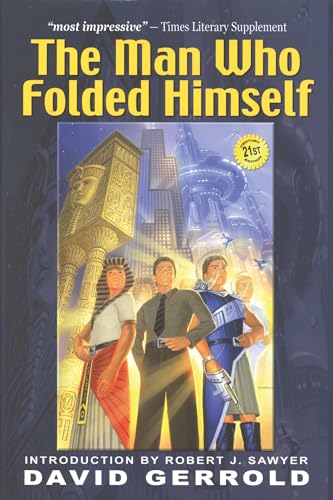
This novel is a brilliant exploration of personal time travel and its paradoxes, much like "The End of Eternity" delves into the complexities of altering history. Readers will be captivated by the protagonist's journey through his own timeline, grappling with identity, self-replication, and the profound philosophical implications of meeting oneself.

by Ken Grimwood
While not traditional sci-fi time travel, "Replay" offers a deeply human perspective on reliving one's life, echoing the themes of choice and consequence found in "The End of Eternity." It explores the profound impact of altering personal history, the search for meaning, and the bittersweet nature of second chances, making readers ponder their own past and future.

Fans of "The End of Eternity" will enjoy "Ubik" for its mind-bending exploration of manipulated reality and existential uncertainty. Dick's novel plunges readers into a world where perception is constantly shifting and the nature of existence is questioned, creating a similar sense of intellectual puzzle and suspense as Asimov's time-altering narrative.

Not sure what they've already read?
Let them pick their next favorite with an Amazon Gift Card.
As an Amazon Associate, we earn from qualifying purchases.

This classic offers a similar sense of grand scale and intellectual inquiry as "The End of Eternity," exploring a far-future society that has seemingly perfected itself but at the cost of stagnation. Readers will follow the protagonist's quest to uncover hidden truths about humanity's past and destiny, questioning the nature of control and progress.

by Isaac Asimov
Asimov's own "Foundation" provides a parallel to "The End of Eternity" in its depiction of a vast, benevolent organization subtly guiding humanity's future through "psychohistory." Readers will appreciate the intellectual rigor and the grand strategic game played out across millennia, where individual lives are shaped by larger, unseen forces.

by Joe Haldeman
While a military science fiction classic, "The Forever War" shares a profound thematic resonance with "The End of Eternity" through its exploration of vast temporal shifts and their impact on humanity. The protagonist's experience of extreme time dilation leads to a poignant reflection on societal change, the nature of progress, and the alienation of being out of time.
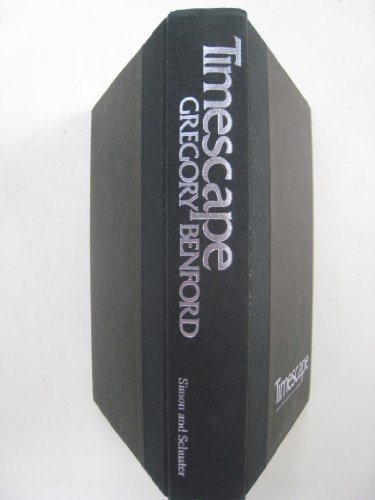
"Timescape" offers a hard science fiction take on time travel, focusing on the scientific and ethical dilemmas of sending messages into the past to avert a global catastrophe. Fans of "The End of Eternity" will appreciate its rigorous intellectual approach to paradoxes, the intricate plotting, and the high stakes involved in altering history.

For readers who enjoyed the philosophical depth and non-linear exploration of time in "The End of Eternity," Vonnegut's "Slaughterhouse-Five" offers a unique, satirical, and poignant take on a protagonist unstuck in time. It delves into themes of fate, free will, and the human response to trauma, all while challenging conventional narrative structures.

While not directly about time travel, "Dune" presents a sprawling epic where prescience and the manipulation of destiny play a central role, much like the "Reality Changes" in "The End of Eternity." Readers will be drawn to its complex political intrigue, philosophical depth, and the exploration of how powerful individuals and organizations attempt to guide humanity's future.

Prefer to listen?
Try Audible and hear the story instead of reading it.
As an Amazon Associate, we earn from qualifying purchases.
As an Amazon Associate, we earn from qualifying purchases.