

Based on your book
The End of Faith
by Harris, Sam
Sam Harris takes a sledgehammer to the idea that religious belief should be shielded from rational criticism. He argues that our refusal to question faith-based dogmas is not just a philosophical disagreement, but a genuine danger to global stability and human progress. The writing is incredibly precise, cold, and unrelenting; you can feel the urgency behind his logic as he dissects how ancient doctrines inform modern violence and policy. It is not an easy or comforting read, and it is intentionally provocative, designed to make you uncomfortable with the status quo. If you appreciate rigorous, logic-driven arguments that refuse to accommodate social niceties, this book will challenge your worldview. It is best suited for readers who enjoy high-stakes intellectual debates and are looking for a sharp, secular framework for navigating moral dilemmas in a complex world.
10 Books similar to 'The End of Faith'
If this book left you craving more intellectual combat, our curated list bridges the gap between secular philosophy and scientific inquiry. We selected these titles because they mirror Harris’s commitment to dismantling dogmatism through rigorous analysis, whether that is through the historical skepticism of Bart Ehrman or the evolutionary biology found in Richard Dawkins’ work. These recommendations lean into the same themes of free will and moral accountability, offering a roadmap for readers who want to explore how science and reason can replace superstition as our primary tools for human flourishing.
As an Amazon Associate, we earn from qualifying purchases.

As a cornerstone of the 'New Atheist' movement alongside Harris, Hitchens delivers a similarly scathing and intellectually rigorous critique of organized religion. His sharp, polemical style and focus on historical and contemporary abuses of faith make this an essential companion to The End of Faith.

Dawkins approaches the subject from a biological and evolutionary perspective, providing a scientific backbone to the arguments Harris makes about the irrationality of religious belief. It is a foundational text for anyone interested in the intersection of science, reason, and secular humanism.

by Sam Harris
Written specifically as a follow-up to the criticisms Harris received after The End of Faith, this concise book directly addresses the common counterarguments from religious believers. It maintains Harris's signature clarity and unwavering commitment to rational discourse.

Dennett examines religion not just as a set of beliefs, but as a natural, evolutionary phenomenon that can be studied objectively. His philosophical rigor complements Harris's work by shifting the focus from 'is it true?' to 'why does it persist?'

Prefer to listen?
Try Audible and hear the story instead of reading it.
As an Amazon Associate, we earn from qualifying purchases.

by Carl Sagan
Sagan provides a passionate defense of the scientific method and critical thinking as the best tools for navigating a world filled with superstition and pseudoscience. His accessible yet profound writing style serves as a vital moral counterweight to the dogmatism critiqued in Harris's work.

This memoir provides a powerful, lived-experience perspective on the dangers of religious fundamentalism that Harris discusses theoretically in his work. It offers a harrowing but necessary look at the human cost of dogma and the struggle for personal autonomy.

by Ibn Warraq
Like Harris, the author offers a fearless and highly critical examination of Islamic doctrine and its impact on modern society. It is a scholarly yet accessible text that aligns with the 'New Atheist' project of challenging sacred cows through open inquiry.

by Sam Harris
While The End of Faith focuses on the dangers of religious dogma, this book explores the secular, scientific validity of spiritual experience through meditation and consciousness. It provides the constructive, positive alternative to the deconstruction Harris performs in his earlier work.

by Sam Harris
This book directly addresses the philosophical question of whether science can answer moral questions—a central theme in The End of Faith. It is essential reading for those who want to see how Harris builds a secular framework for ethics based on human well-being.
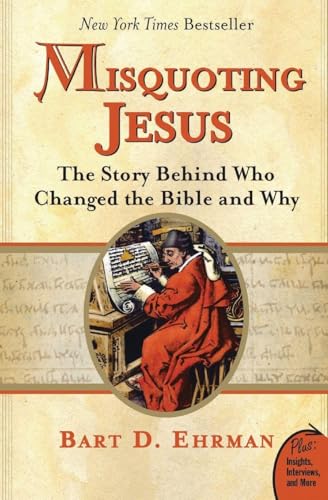
Ehrman provides a detailed historical analysis of how the texts of the New Testament were edited and altered over centuries, undermining the idea of biblical inerrancy. This scholarly deep dive supports the skeptical stance toward religious authority found in Harris's writing.

Love to read on the go?
Explore Kindle e-readers and take your books with you.
As an Amazon Associate, we earn from qualifying purchases.
As an Amazon Associate, we earn from qualifying purchases.