

Based on your book
The End of Loyalty
by Wartzman, Rick
Rick Wartzman traces the rise and fall of the social contract in America through the specific history of General Motors. By focusing on the shifting relationship between the company and its employees over the last century, he illustrates how the promise of lifetime security and shared prosperity was slowly dismantled in favor of short-term shareholder profit. The reading experience is grounded and methodical, moving between boardroom strategy and the lived reality of the factory floor. Wartzman avoids overly academic jargon, opting instead for a narrative that feels like a conversation about why the middle class feels so precarious today. This book is for readers who enjoy digging into the history of American business and want to understand the systemic shifts that have reshaped our economy, especially those who appreciate detailed reporting that puts a human face on large-scale corporate change.
10 Books similar to 'The End of Loyalty'
If the historical analysis in The End of Loyalty resonated with you, these selections offer a wider view of how corporate power shapes our daily lives. We curated these titles because they mirror Wartzman's ability to bridge the gap between macroeconomic policy and the individual experience. Whether you are exploring the decline of American manufacturing in Factory Man or the systemic failures exposed in The Big Short, these books share a commitment to examining the broken promises of the modern economy. They are perfect for readers interested in the intersection of labor history and social justice.
As an Amazon Associate, we earn from qualifying purchases.
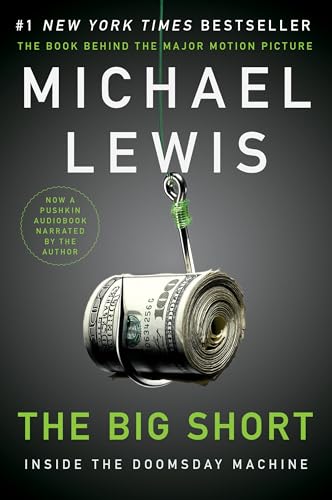
Like Wartzman's work, this book provides a deep, investigative look at the systemic failures of American institutions. It mirrors the analytical, narrative-driven style of exploring how corporate decisions profoundly impact the lives of ordinary people.

by Beth Macy
This book shares a similar focus on the decline of American manufacturing and the human cost of corporate globalization. It offers a parallel narrative of a specific company fighting to maintain its identity amidst broader economic shifts.
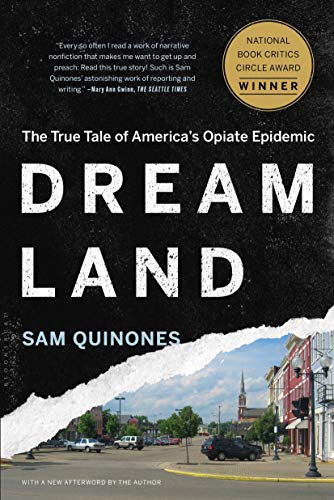
by Sam Quinones
Quinones masterfully connects macroeconomic trends to devastating personal consequences, much like Wartzman traces the 'end of loyalty' through the lens of GM workers. It is a gripping, multi-layered examination of how American society has changed over recent decades.

While fiction, this classic captures the exact era of labor struggle and the dismantling of the American dream that Wartzman contextualizes. It provides the emotional, human-centric counterpart to the historical data found in 'The End of Loyalty.'

Prefer to listen?
Try Audible and hear the story instead of reading it.
As an Amazon Associate, we earn from qualifying purchases.

Desmond's work is essential reading for anyone interested in the erosion of the social safety net in America. It shares Wartzman's commitment to rigorous research and empathetic storytelling regarding the economic precarity of the working class.

This book offers a deep dive into corporate malfeasance and the shifting ethics of American business. Fans of Wartzman's historical analysis will appreciate the meticulous investigation into how corporate power shapes public life.

by Studs Terkel
This classic oral history serves as a foundational text for understanding the American workplace, providing the raw, personal voices that complement Wartzman's broader institutional history. It is a must-read for anyone interested in the changing nature of labor.

For readers who enjoyed the economic context of Wartzman's book, Stiglitz provides the broader theoretical framework for why the 'loyalty' contract collapsed. It is a dense, thoughtful, and highly relevant critique of modern capitalism.
Focusing on the intersection of Chinese investment and American labor, this book echoes Wartzman's themes of cultural clash and the struggle for dignity in the modern workplace. It provides a contemporary, on-the-ground look at the same issues.

This book critiques the same corporate culture and 'philanthro-capitalism' that Wartzman identifies as contributing to the decline of the middle class. It is a sharp, provocative look at the power structures that define modern American life.

Love to read on the go?
Explore Kindle e-readers and take your books with you.
As an Amazon Associate, we earn from qualifying purchases.
As an Amazon Associate, we earn from qualifying purchases.