

Based on your book
The End of the Road
by Henry, Sue
Jacob Horner is a man without a core. When he finds himself paralyzed by an inability to act or even form a personality, he seeks help from a mysterious doctor who prescribes a series of bizarre, arbitrary treatments to force him into motion. The story follows his move to a small town where he becomes entangled with a colleague and his wife, leading to a claustrophobic power struggle defined by intellectual games and moral rot. This is not a fast-paced thriller, but rather an unsettling, deeply psychological examination of identity and the terrifying freedom of choice. It feels like watching a slow-motion car crash of the human ego. If you enjoy literature that prizes brutal honesty over likability and are interested in the dark, existential corners of the mind, this book will leave you deeply uncomfortable in the best possible way.
10 Books similar to 'The End of the Road'
Since you appreciated the way this book dissects the fragile, often absurd nature of the human psyche, our curated list leans heavily into existential inquiry and the dark humor of social alienation. We have selected these titles because they echo the sense of moral ambiguity and the detached, intellectualized pain of the protagonist. Whether through the lens of academic satire or raw philosophical dread, these works explore the same feeling of being trapped by one's own consciousness, offering a bridge to other writers who treat the breakdown of identity as their primary subject.
As an Amazon Associate, we earn from qualifying purchases.

by John Barth
Sharing the same author as The End of the Road, this novel showcases Barth's mastery of metafiction, dark humor, and dense, intellectual prose. Fans will appreciate the similar focus on philosophical inquiries, unreliable narratives, and the deconstruction of identity.

This foundational text of existential literature mirrors the paralyzing self-consciousness and moral cynicism found in Barth's protagonist. Readers who enjoyed the intense psychological introspection and the bleak, philosophical tone will find this essential reading.

Like the protagonist in The End of the Road, Holden Caulfield struggles with alienation and the absurdity of social conventions. The narrative voice captures a similar sense of cynical detachment and the painful process of navigating adulthood.

This novel is a quintessential exploration of existential dread and the absurdity of existence, themes that underpin the narrative of The End of the Road. It offers a similarly heavy, philosophical atmosphere that forces the reader to confront the nature of reality.

Not sure what they've already read?
Let them pick their next favorite with an Amazon Gift Card.
As an Amazon Associate, we earn from qualifying purchases.

by Don DeLillo
DeLillo’s work captures the absurdity of modern life and the anxiety of death with a satirical edge that echoes Barth's style. Readers will appreciate the mix of dark humor and profound cultural analysis regarding the human condition.

by Albert Camus
The detached, indifferent narrator of Camus's masterpiece will resonate with those who found the protagonist of The End of the Road unsettling yet fascinating. The focus on moral ambiguity and the lack of inherent meaning in life creates a shared thematic core.

While lighter in tone, this academic satire shares the cynical, sharp-witted critique of institutions and social hypocrisy found in Barth's work. It provides a similar look at a protagonist trapped in a life they despise, navigating awkward social dynamics.

This novel delves into the fractured psyche of a man caught between his human and animal natures, mirroring the internal conflict of Barth's characters. It is a deeply introspective journey that fans of philosophical fiction will find highly engaging.
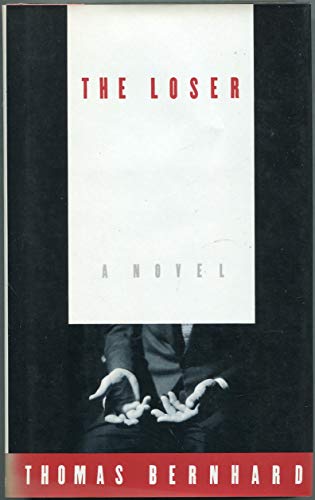
Bernhard's intense, repetitive, and obsessive prose style creates a claustrophobic atmosphere that perfectly complements the psychological unraveling in The End of the Road. It is a brilliant study of failure, genius, and the weight of one's own history.
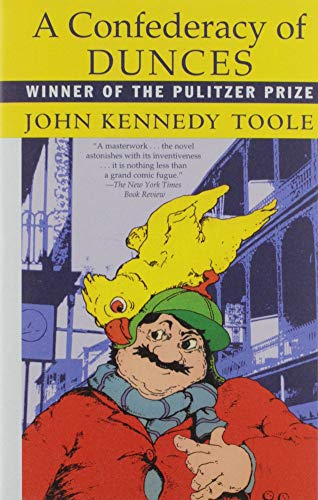
For readers who appreciated the darker, more cynical humor of Barth, this novel offers a protagonist who is equally detached from reality and critical of the world around him. It provides a satirical look at societal norms through the eyes of a deeply flawed, intellectual anti-hero.

Love to read on the go?
Explore Kindle e-readers and take your books with you.
As an Amazon Associate, we earn from qualifying purchases.
As an Amazon Associate, we earn from qualifying purchases.