

Based on your book
The Establishment: And How They Get Away With It
by Owen Jones
Owen Jones pulls back the curtain on the interlocking networks of power that keep the British status quo firmly in place. Rather than focusing on individual politicians, he maps the symbiotic relationships between the media, the corporate sector, the police, and the political class. The writing is sharp, urgent, and relentlessly analytical, turning complex institutional rot into something that feels personal and infuriating. You will not find dry academic prose here; instead, Jones writes with the pacing of an investigative thriller, documenting how these groups insulate themselves from public accountability. This book is for the reader who feels that the headlines never tell the full story and wants to understand the machinery behind the headlines. It is a demanding, vital read for anyone skeptical of power and curious about how systemic influence is maintained in plain sight.
10 Books similar to 'The Establishment: And How They Get Away With It'
If this investigation into the mechanisms of power left you wanting to pull more threads, these selections expand on the specific industries and ideologies Jones touches upon. We have curated these titles to bridge the gap between his broad systemic critique and more granular examinations of corporate influence, media manipulation, and economic inequality. Whether you are interested in the absurdity of modern labor markets or the darker side of neoliberal policy, these books provide the empirical backbone and diverse perspectives necessary to fully map how elite interests shape the world we live in today.
As an Amazon Associate, we earn from qualifying purchases.

by Owen Jones
Written by the same author, this book serves as a perfect companion piece, exploring how the working class is stereotyped and scapegoated by media and political elites. It shares the same sharp, investigative, and deeply critical tone that defines Jones's analysis of systemic inequality.

Graeber provides a similarly incisive critique of modern economic structures, specifically targeting the meaningless roles that proliferate within corporate and bureaucratic systems. Like Jones, he exposes the absurdity and corruption inherent in the institutions that govern our daily lives.

by James Meek
This investigative work examines the privatization of essential British services, offering a granular look at how public assets have been sold off to private interests. It mirrors Jones's focus on the erosion of the public sphere and the influence of corporate power in the UK.

by Joel Bakan
Bakan continues his critique of corporate influence, arguing that modern attempts by companies to appear socially responsible are merely masks for deeper anti-democratic agendas. Readers of Jones will appreciate this rigorous dissection of how private power undermines public welfare.

Not sure what they've already read?
Let them pick their next favorite with an Amazon Gift Card.
As an Amazon Associate, we earn from qualifying purchases.
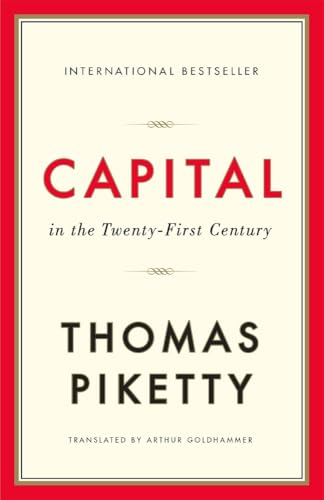
While more academic in scope, this seminal text provides the foundational economic data that explains the wealth inequality Jones discusses. It is essential reading for anyone wanting to understand the structural mechanisms behind the 'Establishment's' accumulation of power.

by Nick Davies
Davies exposes the systemic failures of the British press, detailing how corporate pressure and the demand for sensationalism have compromised journalistic integrity. It serves as a vital counterpart to Jones's analysis of how the media protects the interests of the elite.

by Richard Wilkinson and Kate Pickett
This book provides the empirical evidence for the social costs of the inequality that Jones critiques, demonstrating how unequal societies suffer from poorer health and higher crime. It offers a scientific, data-driven perspective that complements the political argument of 'The Establishment'.
Drawing on extensive research from the Glasgow Media Group, this book offers a devastating critique of how news outlets shape public perception to favor the status quo. It is a must-read for anyone interested in the media manipulation tactics Jones highlights.
Though written from the opposite political perspective, reading this book is essential for understanding the ideology of the very 'Establishment' figures Jones criticizes. It provides a direct look into the neoliberal mindset that Jones seeks to dismantle.

by Naomi Klein
Klein explores how elites exploit crises—wars, natural disasters, and economic collapses—to push through unpopular policies that benefit the wealthy. It shares the same urgent, investigative energy as Jones's work, focusing on the global scale of elite manipulation.

Prefer to listen?
Try Audible and hear the story instead of reading it.
As an Amazon Associate, we earn from qualifying purchases.
As an Amazon Associate, we earn from qualifying purchases.