

Based on your book
The Executioner's Journal
by Frantz Schmidt
Imagine stepping directly into the mind of a 16th-century executioner, not through fiction, but through his own words. Frantz Schmidt’s journal offers an unparalleled, first-person account of a man whose daily work involved torture and death sentences. This isn't a sensationalized horror story; it’s a stark, often disquieting document that pulls you into the moral gray areas of historical justice. You'll find yourself grappling with the chilling objectivity of his entries, the surprising details of his community standing, and the sheer weight of his profession. It's a slow, thought-provoking read, revealing a complex individual operating within brutal societal norms. Pick this up if you’re a reader who seeks an unvarnished historical deep dive, enjoys confronting moral ambiguity head-on, and appreciates an outsider's perspective on power and punishment.
10 Books similar to 'The Executioner's Journal'
If you found yourself gripped by Frantz Schmidt's unflinching chronicle, eager to unpack the moral ambiguity of his profession and the stark realities of historical justice, we've curated a list for you. These books delve into similar themes, from the unsettling outsider perspectives of figures navigating brutal systems, to meticulous historical deep dives that explore power dynamics and the complex, often disturbing, facets of human nature within specific eras. You'll find stories that challenge your understanding of right and wrong, and non-fiction that offers a rare, intimate look into the past.
As an Amazon Associate, we earn from qualifying purchases.

by Umberto Eco
Fans of Schmidt's detailed observations and the grim realities of medieval life will be drawn to Eco's meticulously researched historical mystery. It delves into the intellectual and religious conflicts of the era, presenting a complex world where justice is often ambiguous and knowledge can be dangerous, mirroring the intricate societal role of an executioner.

This novel offers an intimate, first-person perspective on a powerful historical figure, Thomas Cromwell, navigating the treacherous political landscape of Tudor England. Readers who appreciate Schmidt's unique insight into a demanding and morally complex profession will find Cromwell's pragmatic approach to power and justice equally compelling and richly detailed.

For readers who appreciate the dark, disturbing, and highly atmospheric elements of Schmidt's journal, Süskind's novel provides a similarly unsettling journey into 18th-century France. It explores the mind of an outsider with a unique, almost grotesque talent, offering a visceral and morally ambiguous look at human nature and obsession.

This non-fiction microhistory offers an unparalleled deep dive into the daily lives, beliefs, and legal struggles of a 14th-century French village, drawn from inquisitorial records. Fans of Schmidt's journal will appreciate the meticulous historical detail, the intimate portrayal of ordinary people, and the raw insight into medieval justice and social structures.

Not sure what they've already read?
Let them pick their next favorite with an Amazon Gift Card.
As an Amazon Associate, we earn from qualifying purchases.

While set in a different era, this powerful non-fiction work confronts the chilling question of how ordinary individuals can become perpetrators of atrocities, echoing the moral complexities inherent in Schmidt's profession. It offers a psychological and historical analysis of human behavior under extreme circumstances, making it profoundly thought-provoking for those interested in the darker aspects of history and justice.
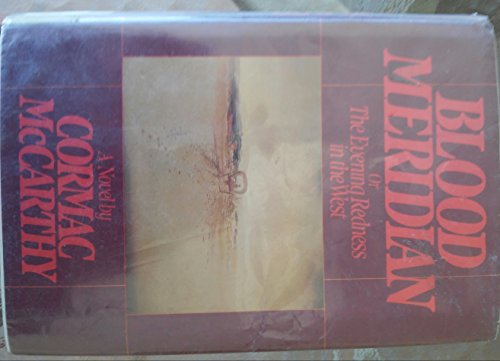
Readers drawn to the raw, unvarnished depiction of violence and moral desolation in Schmidt's journal will find a similar, albeit more brutal, experience in McCarthy's epic Western. It presents a bleak, philosophical exploration of human nature at its most savage, set against a vividly rendered historical backdrop, challenging perceptions of justice and civilization.

by Samuel Pepys
This authentic historical diary offers a fascinating, first-person glimpse into 17th-century London life, politics, and major events like the Great Fire and the Plague. Fans of Schmidt's personal observations and "behind the scenes" perspective on a specific historical period will appreciate Pepys' candid, detailed, and often witty record of his own world.

This captivating historical non-fiction examines a real-life 16th-century French court case involving identity and deception, offering a meticulous reconstruction of a fascinating legal and social drama. Readers who appreciate the detailed historical context and the exploration of justice and truth in Schmidt's journal will be engrossed by this unique historical deep dive.

For readers fascinated by the historical evolution of punishment, power structures, and societal control, Foucault's seminal work provides an intellectual framework that illuminates the world Schmidt inhabited. It offers a profound analytical perspective on the systems of justice and their impact on individuals, resonating with the journal's underlying themes of power and the body.

by Noah Gordon
This epic historical novel follows a young man's journey to become a physician in 11th-century Persia, offering a detailed look at a demanding and often dangerous profession in a richly depicted historical setting. Readers who enjoyed Schmidt's unique perspective on a specific, often misunderstood historical role will appreciate the protagonist's quest for knowledge and his encounters with different cultures and medical practices.

Prefer to listen?
Try Audible and hear the story instead of reading it.
As an Amazon Associate, we earn from qualifying purchases.
As an Amazon Associate, we earn from qualifying purchases.