

Based on your book
The Fall-Down Effect
by Johnston, Liz
The Fall-Down Effect traces the sudden, violent fracture of a family unit following a catastrophic medical event. Liz Johnston moves beyond the clinical reality of brain injury to examine the internal decay that follows, focusing on the heavy, often unspoken resentment that builds when a caregiver is forced into a role they never asked for. The narrative feels claustrophobic and urgent, refusing to offer the reader the comfort of easy answers or a neat resolution. Instead, it dwells in the moral gray areas of resentment, duty, and the slow, agonizing process of learning to love someone who has fundamentally changed. This is a difficult, uncompromising read, best suited for those who appreciate psychological honesty and are willing to sit with the uncomfortable tension of a life being dismantled in real time.
10 Books similar to 'The Fall-Down Effect'
If the emotional weight of The Fall-Down Effect resonated with you, these selections provide a broader landscape for understanding the intersection of trauma and caregiving. We chose these specific titles because they mirror the book's refusal to sugarcoat the messy, often isolating reality of medical crises. Whether you are interested in the neurological perspective found in My Stroke of Insight or the philosophical navigation of mortality in Being Mortal, these books validate the complex psychological burden of the observer. They collectively explore how we maintain our humanity when everything we know begins to slip away.
As an Amazon Associate, we earn from qualifying purchases.

by Joan Didion
Like Johnston's work, this memoir offers a raw and unflinching look at the sudden, life-altering nature of medical crises and the subsequent grief. It shares a similar deeply introspective and analytical tone regarding the fragility of life and the complexities of caregiving.

This book provides the patient's perspective on a sudden, mysterious neurological decline, offering a perfect counterpoint to the caregiver's journey in 'The Fall-Down Effect'. It captures the terror and confusion of losing one's sense of self due to brain-related trauma.

by Kate Bowler
Bowler's memoir about navigating a stage IV cancer diagnosis echoes the themes of confronting mortality and the inadequacy of platitudes found in Johnston's writing. It is deeply relatable for anyone dealing with the sudden upheaval of a 'normal' life.

by Nina Riggs
Riggs writes with a similar clarity and grace about the experience of being a caregiver while simultaneously facing one's own mortality. It balances the heavy reality of illness with a fierce commitment to living fully, mirroring the emotional arc of Johnston's story.

Love to read on the go?
Explore Kindle e-readers and take your books with you.
As an Amazon Associate, we earn from qualifying purchases.
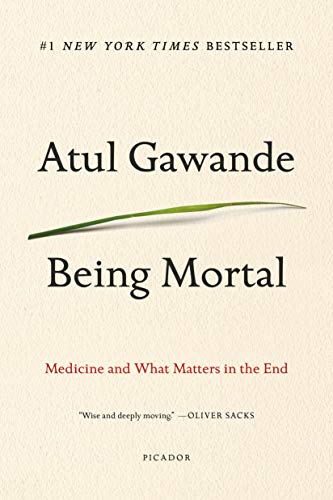
by Atul Gawande
While more analytical than a memoir, this book provides the crucial context for the medical systems and caregiving realities Johnston describes. It is essential reading for understanding the structural and philosophical challenges of modern healthcare that impact families during crises.

This profound meditation on the transition from doctor to patient offers a deeply moving perspective on the fragility of human existence. Readers who appreciated the honest, unvarnished look at life-altering trauma in 'The Fall-Down Effect' will find this equally transformative.

by Sally Mann
Mann’s memoir explores memory, family history, and the way trauma shapes our perception of the world, much like Johnston's exploration of her husband's injury. It is a deeply atmospheric and complex look at how we process the past while living in the present.

This memoir captures the fierce determination of a woman facing a terminal diagnosis, paralleling the resilience and strength required by caregivers and patients alike. It shares the same 'no-nonsense' yet deeply emotional narrative voice found in Johnston's work.

For those interested in the neurological 'why' behind the 'what' in Johnston's book, this account of a brain scientist experiencing her own stroke is invaluable. It provides a fascinating, firsthand look at the cognitive and emotional aftermath of brain injury.
This book touches upon the often-overlooked emotional and practical labor of caregiving, resonating with the specific struggles Johnston details. It validates the caregiver's experience, making it a comforting and insightful companion piece.

Not sure what they've already read?
Let them pick their next favorite with an Amazon Gift Card.
As an Amazon Associate, we earn from qualifying purchases.
As an Amazon Associate, we earn from qualifying purchases.