

Based on your book
The Fall of Public Man
by Richard Sennett
Richard Sennett's The Fall of Public Man is a profound exploration of how we interact — or fail to interact — in the public spaces of our lives. Sennett takes us on a sweeping historical journey, primarily from the 18th century to the present, to show how the vibrant, often theatrical public life of earlier eras gave way to a more inward-focused, personality-driven society. It’s a reflective, complex read, not one you rush through. You'll find yourself pausing often, connecting his historical observations to your own experiences in cities, at work, or even online. The book isn't just an academic treatise; it's a deeply thought-provoking meditation on the erosion of shared civic life and the implications for our individual identities. This is for readers who love to grapple with big ideas about social change, cultural analysis, and the subtle power dynamics that shape our modern world, and who appreciate a philosophical depth that genuinely alters how they perceive society.
10 Books similar to 'The Fall of Public Man'
If Richard Sennett's compelling analysis in The Fall of Public Man resonated with you, you'll find rich intellectual kinship in these selections. We've curated books that further explore the complex dance between our public and private selves, tracing the historical and psychological shifts that have redefined community and identity. Whether you're interested in the erosion of civic engagement, the theatricality of social interaction, or how urban design shapes our collective experience, these titles offer complementary perspectives. They delve into the cultural analysis of our changing social fabric, the power dynamics at play, and the philosophical underpinnings of why a vibrant public sphere matters.
As an Amazon Associate, we earn from qualifying purchases.

Like Sennett, Lasch explores the shift from public-mindedness to a therapeutic, self-obsessed culture. It provides a scathing psychological counterpart to Sennett's sociological history of the decline of public life.

This classic work treats social interaction as a theatrical performance, a central theme in Sennett's analysis of the 18th-century public sphere. It offers a detailed look at how individuals manage their 'public' and 'private' faces.

Arendt provides the philosophical foundation for understanding the distinction between the public and private realms. Her defense of the 'vita activa' and the public square deeply resonates with Sennett's lament for the fall of public man.

This book serves as the historical and theoretical sibling to Sennett's work, tracing the rise and eventual decline of the 'bourgeois public sphere' as a space for rational-critical debate.

Love to read on the go?
Explore Kindle e-readers and take your books with you.
As an Amazon Associate, we earn from qualifying purchases.

While Sennett focuses on the psychological and historical shift, Putnam provides the empirical data for the collapse of American community life. It is an essential read for understanding the modern consequences of the loss of public engagement.

by Neil Postman
Postman argues that the medium of television has turned public discourse into a form of entertainment, echoing Sennett’s concerns about the loss of meaningful, structured public interaction in favor of 'personality.'

by Jane Jacobs
Jacobs focuses on the physical urban spaces that make public life possible. Her defense of the 'sidewalk ballet' complements Sennett's interest in how urban design influences social behavior and public identity.

Riesman's study of the shift from 'inner-directed' to 'other-directed' personalities provides a mid-century sociological bridge to Sennett's theories on the changing nature of the individual in society.
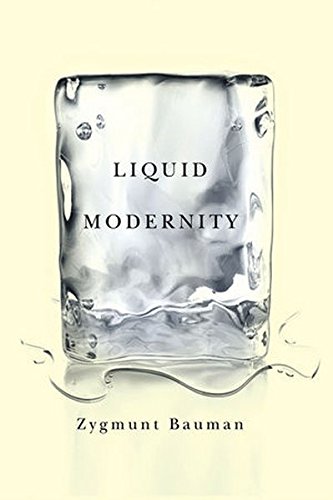
Bauman explores how modern life has moved from 'solid' structures to a 'liquid' state where social bonds are fleeting, mirroring Sennett's observations on the erosion of stable public roles.

by Neal Gabler
Gabler argues that life has become a series of performances meant to entertain, a direct evolution of the theatricality Sennett discusses as having been lost from the healthy public sphere and repurposed for private consumption.

Not sure what they've already read?
Let them pick their next favorite with an Amazon Gift Card.
As an Amazon Associate, we earn from qualifying purchases.
As an Amazon Associate, we earn from qualifying purchases.