

Based on your book
The Gangs of New York
by Herbert Asbury
Herbert Asbury pulls the curtain back on the rotting foundations of nineteenth-century Manhattan, documenting a time when the city was less a metropolis and more a sprawling, violent frontier. This is not a polished academic history; it is a rowdy, blood-soaked chronicle of the Bowery Boys, the Dead Rabbits, and the political machines that weaponized them. Asbury writes with a sharp, journalistic eye for the bizarre, focusing on the colorful nicknames, the ingenious weapons, and the sheer audacity of the criminals who ruled the Five Points. Reading this feels like stumbling into a smoke-filled tavern from 1850. It is dark, relentlessly fast-paced, and unapologetically gritty. This book is for readers who prefer their history unvarnished, those who want to understand the brutal, lawless DNA that shaped the modern city.
10 Books similar to 'The Gangs of New York'
If the brutal, lawless energy of Asbury's New York left you hungry for more, these selections expand on that same historical obsession. We have curated a list that mirrors the specific tension between urban progress and entrenched corruption. Whether you are looking for the scholarly rigor of Anbinder's research, the narrative pulse of Grann's investigative style, or the atmospheric, crime-ridden streets found in Sante's work, these books capture the same struggle for power and survival. They explore the dark, often forgotten corners of history where the line between the law and the underworld blurred into nothingness.
As an Amazon Associate, we earn from qualifying purchases.

by Luc Sante
This book is the spiritual successor to Asbury's work, offering a deeply researched and evocative portrait of New York City's 19th-century underworld. It captures the same gritty, immersive atmosphere of vice, poverty, and colorful criminality that defines the history of the city.

by Erik Larson
Like Asbury, Larson masterfully blends rigorous historical research with the narrative pacing of a thriller. This book juxtaposes the grandeur of the 1893 World's Fair with the dark, criminal underbelly of a serial killer, echoing the contrast between New York's progress and its gangs.

Anbinder provides a definitive, scholarly, yet highly readable account of the notorious Five Points neighborhood that Asbury chronicled. Fans of the original will appreciate this more nuanced and historically accurate investigation into the immigrant experience and gang culture of the era.

by Caleb Carr
This historical thriller is set in late 19th-century New York and features a team investigating gruesome crimes, capturing the same chaotic and corrupt urban environment Asbury described. It effectively uses the city itself as a character, filled with political intrigue and period-accurate grit.

Prefer to listen?
Try Audible and hear the story instead of reading it.
As an Amazon Associate, we earn from qualifying purchases.

While focused on a pandemic, this book shares the sweeping, epic scope of urban history found in Asbury's work, detailing the political, social, and cultural forces that shaped American cities. Readers who enjoy the 'big picture' historical narrative of New York's evolution will find this equally compelling.

This sweeping family saga spans the entire history of New York City, providing the broad historical context that makes Asbury's specific focus on gangs so fascinating. It offers a panoramic view of how the city's criminal and political roots grew into the metropolis we know today.

by David Grann
Grann's narrative non-fiction style mirrors the investigative journalism approach of Asbury, uncovering a forgotten, violent chapter of American history. It deals with systemic corruption, greed, and the struggle for justice, themes that resonate deeply with the gang wars of old New York.

by Gary Krist
Focusing on 1919 Chicago, this book captures the same lawless, vibrant, and corrupt atmosphere that Asbury documented in New York. It provides a thrilling look at a city grappling with rapid change, organized crime, and political volatility.
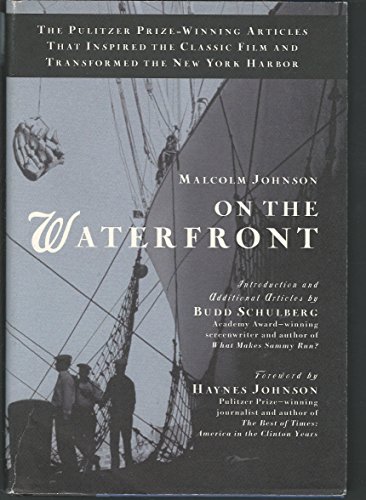
This novel, which inspired the film 'On the Waterfront,' is a quintessential piece of New York literature dealing with union corruption, mob influence, and the struggle of the working class. It captures the same moral ambiguity and rough-hewn atmosphere found in the accounts of old New York gangs.

by Miles Harvey
This book explores the life of James Strang, a 19th-century con man, capturing the same wild, opportunistic spirit that defined the characters in Asbury's history. It is a fascinating look at the era's grifters, charlatans, and the lawless frontier mentality that permeated even the cities.

Love to read on the go?
Explore Kindle e-readers and take your books with you.
As an Amazon Associate, we earn from qualifying purchases.
As an Amazon Associate, we earn from qualifying purchases.