

Based on your book
The Gangs of New York
by Scorsese, Martin
Herbert Asbury’s account of 19th-century Manhattan is not a polished history lesson; it is a dirt-under-the-fingernails chronicle of a city tearing itself apart. He maps the brutal geography of the Five Points, documenting a cycle of violence where gangs with names like the Dead Rabbits and the Bowery Boys fought for scraps of power in a landscape of extreme poverty and political corruption. The prose is lean and journalistic, yet it carries the weight of a fever dream, pulling you into a world where survival was a daily gamble. Reading this feels like walking through a fog of coal smoke and blood. If you have an appetite for the darker corners of urban history and want to understand how a city was forged in the heat of riots and racketeering, this book is essential.
10 Books similar to 'The Gangs of New York'
The books selected here were chosen to expand your view beyond the street-level brawls. We looked for titles that bridge the gap between the raw, atmospheric violence of the era and the systemic political rot that fueled it. Whether you are interested in the scholarly foundations of the Five Points, the rise of the machine politicians like Boss Tweed, or the human cost of immigrant life, this collection provides the necessary context. These titles capture the same grit and tension, offering a deeper look at the power dynamics that defined old New York.
As an Amazon Associate, we earn from qualifying purchases.

by Luc Sante
This is the definitive companion piece to the history of New York's underworld, capturing the same gritty, immersive atmosphere of the city's vice districts. It offers a deeply researched and evocative portrait of the same era, focusing on the criminal subcultures that defined 19th-century Manhattan.

by Erik Larson
Like Asbury's work, this book masterfully blends meticulously researched history with a narrative style that feels as compelling as a novel. It juxtaposes the grandeur of the 1893 World's Fair with the dark, criminal underbelly of the era, mirroring the duality found in the history of New York gangs.

This scholarly yet accessible history provides the academic backbone to the myths and legends surrounding the Five Points neighborhood. It is essential reading for anyone captivated by the specific geography and social stratification of the gangs depicted in Asbury's work.

by Caleb Carr
This historical thriller captures the sights, smells, and political corruption of 1890s New York with incredible precision. Fans of the gang era will appreciate how it weaves the criminal underworld into a tense, psychological mystery involving the city's power brokers.

Love to read on the go?
Explore Kindle e-readers and take your books with you.
As an Amazon Associate, we earn from qualifying purchases.

by Betty Smith
While it focuses on a later era, this classic novel perfectly captures the struggle, resilience, and harsh reality of life in New York's tenements. It provides the human, emotional perspective of the poverty and social dynamics that birthed the gang culture explored in Asbury's history.

This sweeping epic follows the history of New York City through several generations of families, including the turbulent mid-19th century. It offers the same sense of scale and ambition, showing how the gang violence of the past shaped the modern metropolis.

To understand the gangs, one must understand the political machine they served; this biography of William 'Boss' Tweed is the perfect companion. It details the intersection of organized crime and city politics, providing context for the power dynamics that Scorsese's film and Asbury's book explore.

by Lyndsay Faye
Set in 1845, this novel centers on the formation of the NYPD amidst the backdrop of rampant gang violence and anti-immigrant riots. It is a perfect fictional pairing for readers who want to see the 'Gangs of New York' era through the lens of a gritty, historical police procedural.
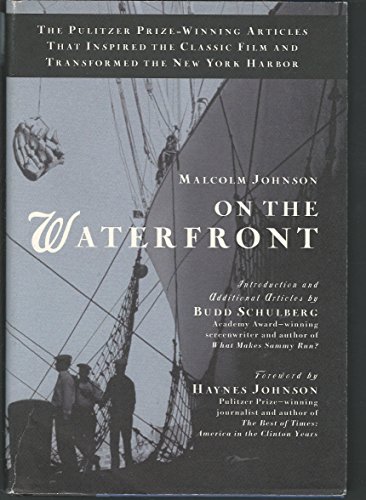
Though set in a different time, this novel captures the same brutal, corrupt, and insular world of labor racketeering and gang control. It mirrors the 'code of silence' and the violent power struggles that defined the criminal organizations of early New York.
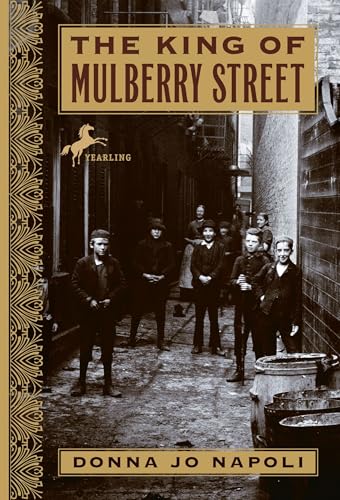
This novel provides a vivid, immersive look at the immigrant experience in the late 19th century, capturing the desperation and the hustle required to survive in the city's poorest neighborhoods. It is an excellent, slightly more accessible look at the social conditions that fueled the gang wars.

Not sure what they've already read?
Let them pick their next favorite with an Amazon Gift Card.
As an Amazon Associate, we earn from qualifying purchases.
As an Amazon Associate, we earn from qualifying purchases.