

Based on your book
The Gendered Brain
by Rippon, Gina
Gina Rippon dismantles the persistent cultural narrative that male and female brains are fundamentally different. By digging into the history of neuroscience, she reveals how flimsy research and systemic bias have continuously reinforced the idea of a gendered brain. This is not a dry academic lecture; it is a sharp, observational critique that forces you to question why society is so obsessed with categorizing cognitive ability by sex. The pacing is deliberate and thorough, moving from historical blunders to modern imaging technology with a clear, inquisitive voice. You will find yourself constantly reassessing your own assumptions about identity and biology. This book is for the curious reader who prefers hard data over social myths and enjoys a well-argued challenge to the status quo. It is essential reading for anyone interested in how our environments shape our neurology.
10 Books similar to 'The Gendered Brain'
To deepen your understanding of the themes Rippon explores, we have gathered works that similarly interrogate the intersection of science and social identity. Whether you want to explore the historical roots of scientific bias or look at how data gaps impact our daily lives, these selections share a commitment to uncovering the hidden structures of power. They collectively challenge the male-as-default perspective in research, offering a broader view of how cultural tropes influence our biological understanding. These authors are united by their rigorous, evidence-based approach to dismantling long-standing myths about human capability.
As an Amazon Associate, we earn from qualifying purchases.

This book is the spiritual predecessor to Rippon's work, offering a rigorous and witty dismantling of the scientific myths that claim innate biological differences between male and female brains. Fans of Rippon will appreciate the similar blend of sharp intellectual critique and accessible, evidence-based science.

by Angela Saini
Saini investigates the history of scientific bias and how it has shaped our understanding of women's capabilities, providing a perfect companion to Rippon's exploration of neurosexism. It is deeply researched and empowering, challenging readers to rethink long-held assumptions about gender and biology.
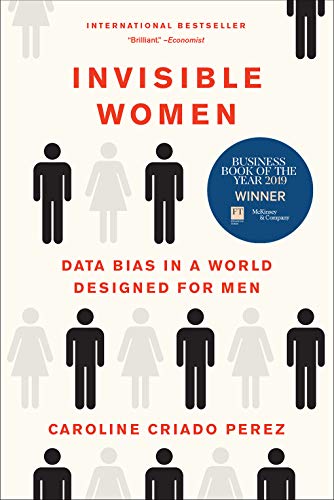
While Rippon focuses on the brain, Criado Perez expands the lens to show how gender data gaps affect everything from medicine to urban planning. Readers who enjoy Rippon's systemic critique of 'male-as-default' science will find this book equally eye-opening and essential.

Fine tackles the 'Testosterone Rex' narrative—the idea that testosterone drives men to be aggressive and women to be nurturing—with the same debunking rigor as Rippon. It is a fantastic follow-up for anyone interested in how evolutionary psychology is often misused to justify social inequality.

Prefer to listen?
Try Audible and hear the story instead of reading it.
As an Amazon Associate, we earn from qualifying purchases.

For readers fascinated by the biological development of the brain, Siegel offers a nuanced look at the teenage mind that avoids reductive stereotypes. Like Rippon, he emphasizes the plasticity and complexity of the brain, moving away from simplistic 'it's just hormones' explanations.

Though broader in scope, Pinker's massive study on human nature and social progress shares the same commitment to data-driven analysis that Rippon employs. Readers who enjoy the 'big picture' scientific approach to understanding human behavior will appreciate his meticulous research and argumentative style.

This foundational text bridges the gap between biology and sociology, arguing that our bodies are not as neatly binary as we are taught. It provides the essential academic context for the arguments Rippon makes in 'The Gendered Brain' regarding the social construction of biological 'facts'.

by Cat Bohannon
Bohannon provides a sweeping, fascinating history of the female body, correcting the male-centric bias that has dominated evolutionary biology for centuries. It shares Rippon's goal of reclaiming the narrative around female biology through a rigorous, science-based lens.

by Susan Cain
Cain challenges the cultural bias against introversion, much like Rippon challenges the bias against female brains, by highlighting how societal norms shape our perception of personality. It is a highly readable, research-backed exploration of how we categorize human behavior.

Steele explores 'stereotype threat'—the psychological phenomenon where people feel at risk of confirming negative stereotypes about their social group. This is a perfect companion to Rippon's work, explaining the real-world performance consequences of the gendered myths Rippon debunks.

Love to read on the go?
Explore Kindle e-readers and take your books with you.
As an Amazon Associate, we earn from qualifying purchases.
As an Amazon Associate, we earn from qualifying purchases.