

Based on your book
The Germ In The Dairy Pail
by Maready, Forrest
Forrest Maready turns his attention to the humble dairy industry to peel back the layers of how we came to accept modern germ theory as absolute dogma. Rather than a dry academic report, this book functions as an investigative autopsy of historical health narratives. Maready meticulously sifts through archival records and societal shifts to show how changing agricultural practices and industrialization fundamentally altered the human relationship with microorganisms. The writing is conversational yet relentlessly analytical, inviting you to look at the milk in your fridge with a healthy dose of skepticism. It is a slow-burn intellectual challenge, perfect for the reader who enjoys pulling at the loose threads of mainstream history. If you are the type of person who questions the origins of institutional wisdom and prefers primary source analysis over polished textbooks, this book will keep you up late reconsidering everything you thought you knew about public health.
10 Books similar to 'The Germ In The Dairy Pail'
The selections provided here prioritize the same critical, contrarian spirit that makes Maready’s work so jarring. If you found yourself fascinated by the way historical context shifts our understanding of modern medicine, these titles were chosen to deepen that specific inquiry. We have curated books that excel at pulling back the curtain on scientific consensus, focusing on the intersection of institutional power and public health narratives. Whether you are interested in the evolution of epidemiology or the social history of disease, these recommendations offer the same investigative rigor and appetite for challenging the status quo found in his writing.
As an Amazon Associate, we earn from qualifying purchases.

Since this is the author's other major work, it shares the exact same investigative, contrarian, and historical style that challenges established medical narratives. Readers who appreciated the deep dive into germ theory in the dairy pail will find this exploration of polio's history equally compelling and thought-provoking.
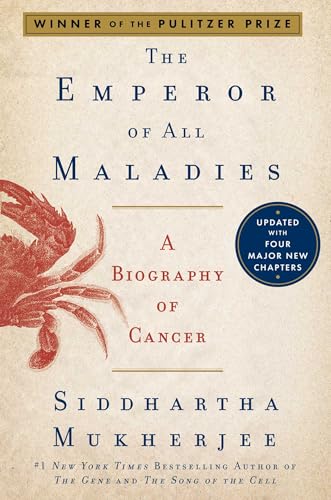
Like Maready's work, this book provides a comprehensive, deep-dive history of a major medical phenomenon, examining how our understanding of disease has evolved over time. It offers a similarly analytical and historical perspective that readers interested in the intersection of science and society will appreciate.

by Ben Goldacre
This book shares the skeptical, investigative spirit of Maready's work, focusing on how bad science and misleading data influence public perception and health policy. It is perfect for readers who enjoy questioning the 'official' narrative presented by medical and scientific institutions.

This book explores the history of a cholera outbreak in London and the birth of modern epidemiology, providing a fascinating look at how germ theory was actually developed. It mirrors the historical focus of Maready's work while providing a gripping narrative about the struggle to understand disease.

Prefer to listen?
Try Audible and hear the story instead of reading it.
As an Amazon Associate, we earn from qualifying purchases.

This book is a cornerstone for readers who enjoy challenging mainstream medical history and examining the role of sanitation versus medical intervention. It shares the same critical, investigative tone and commitment to re-evaluating historical data that defines Maready's writing.

This book bridges the gap between personal narrative and medical history, exposing the ethical complexities behind major scientific breakthroughs. Readers who enjoyed the investigative nature of Maready's work will appreciate how this book uncovers hidden truths within the medical establishment.

For those interested in the darker, often ignored history of medicine and institutional power, this book provides a rigorous analysis of how medical practices have historically impacted vulnerable populations. It aligns with the critical, questioning spirit found in Maready's work.

This detailed account of the 1918 flu pandemic offers a deep historical look at how science and politics collide during a health crisis. It shares the focus on the evolution of medical knowledge and the tension between public policy and scientific reality.

This collection of essays explores the controversy and debate surrounding vaccination policies, appealing to readers who are already skeptical of the mainstream medical consensus. It serves as a companion piece to the themes of institutional distrust and scientific inquiry explored in Maready's books.

This Pulitzer Prize-winning book provides a comprehensive look at the race to find a polio vaccine, revealing the intense rivalries and political maneuvering behind the scenes. It matches the investigative rigor and historical detail that fans of Maready's work value.

Love to read on the go?
Explore Kindle e-readers and take your books with you.
As an Amazon Associate, we earn from qualifying purchases.
As an Amazon Associate, we earn from qualifying purchases.