

Based on your book
The Goal
by Goldratt, Eliyahu M
The Goal follows Alex Rogo, a plant manager fighting to save his factory from closure. Instead of dry textbooks on operations management, Goldratt uses the structure of a tense, personal drama to explain the Theory of Constraints. You watch Alex navigate the high-stakes pressure of a ticking clock, balancing his crumbling marriage with the need to overhaul his entire business philosophy. The reading experience is cerebral and methodical; it feels less like a novel and more like an intellectual puzzle where you are solving the mystery of productivity alongside the protagonist. It is an ideal pick for anyone who finds standard business literature too abstract. If you enjoy seeing complex systems broken down into logical, actionable steps and appreciate a story where the main character must fundamentally change their worldview to succeed, this is your next read.
10 Books similar to 'The Goal'
If the analytical rigor and narrative stakes of The Goal hit the mark for you, these selections expand on that same philosophy. We chose these books because they share the same DNA of using storytelling to demystify complex systems, whether you are managing IT infrastructure, team dynamics, or long-term organizational strategy. Each title here focuses on the art of overcoming systemic bottlenecks and taking personal ownership of failing processes. If you prefer the Socratic method of learning, you will find these business fables and operational guides provide that same satisfying, lightbulb-moment clarity.
As an Amazon Associate, we earn from qualifying purchases.

by Gene Kim, Kevin Behr, and George Spafford
Often called the spiritual successor to The Goal, this book applies the same narrative-driven 'business fable' style to IT and DevOps. It perfectly mirrors the struggle of a manager trying to save a failing department using the Theory of Constraints.

Lencioni is the master of the business fable genre, much like Goldratt. This book uses a compelling narrative to explore the interpersonal dynamics that cause organizations to fail, making it an essential read for anyone interested in the human side of business systems.
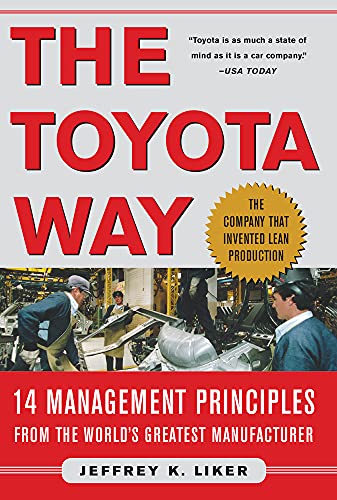
While more of a traditional business text, this book provides the foundational philosophy behind Lean manufacturing, which complements the Theory of Constraints presented in The Goal. It is a deep dive into the operational excellence that Goldratt's protagonist strives to achieve.

Written by the same author as The Goal, this book applies Goldratt's unique methodology to project management. Fans of The Goal will recognize the familiar narrative structure, Socratic dialogue, and the focus on identifying bottlenecks.

Not sure what they've already read?
Let them pick their next favorite with an Amazon Gift Card.
As an Amazon Associate, we earn from qualifying purchases.

by Jim Collins
This book offers the rigorous, data-driven analysis that readers of The Goal appreciate, but focuses on the macro-level organizational traits that lead to long-term success. It provides the strategic 'why' to Goldratt's operational 'how'.

by Gene Kim
This is the companion novel to The Phoenix Project, focusing on the developer's perspective rather than management. It maintains the high-stakes narrative tension found in The Goal while exploring the 'Five Ideals' of software engineering.
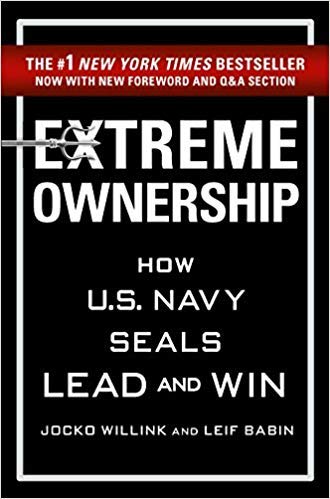
by Jocko Willink and Leif Babin
Like The Goal, this book translates complex leadership principles into actionable, high-stakes scenarios. It emphasizes taking total responsibility for one's environment, a theme that resonates deeply with the protagonist's journey in Goldratt's work.

While much shorter and more metaphorical, this book shares the core intent of The Goal: teaching readers how to adapt to change in a business environment. It uses a simple narrative to illustrate complex concepts of flexibility and foresight.

A classic in the field of project management, this book addresses the counter-intuitive nature of complex systems. Readers who enjoyed the 'aha!' moments in The Goal regarding capacity and scheduling will find this book equally revelatory.

The direct sequel to The Goal, this novel follows the same protagonist as he applies the Theory of Constraints to marketing, sales, and distribution. It is essential reading for fans who want to see how Goldratt’s logic extends beyond the factory floor.

Prefer to listen?
Try Audible and hear the story instead of reading it.
As an Amazon Associate, we earn from qualifying purchases.
As an Amazon Associate, we earn from qualifying purchases.