

Based on your book
The Great Indian Brain Rot
by Anurag Minus Verma
Anurag Minus Verma's "The Great Indian Brain Rot" is a sharp, often laugh-out-loud funny look at how the internet has warped our minds and reshaped Indian culture. It’s not a dry analysis; Verma approaches the peculiarities of online life, from social media echo chambers to the anxieties of the digital age, with a keen, satirical eye. Reading this feels like an extended, highly intelligent conversation with a friend who's equally amused and exasperated by the modern world. You'll find yourself nodding in recognition, wincing at the truths, and laughing at the absurdity. If you're someone who spends too much time online, wonders about the state of contemporary society, and appreciates a book that offers both entertainment and genuine intellectual provocation, this one will hit home.
10 Books similar to 'The Great Indian Brain Rot'
If Anurag Minus Verma's incisive commentary in "The Great Indian Brain Rot" struck a chord with you, then you're likely drawn to books that dissect society with a blend of wit and critical insight. We've selected these titles for readers who appreciate sharp social commentary, a satirical take on cultural dynamics, and a deep dive into the impact of media and information on our collective consciousness. These recommendations continue the exploration of intellectual decay, identity, and the forces shaping contemporary life, offering further perspectives on the 'brain rot' Verma so brilliantly observes.
As an Amazon Associate, we earn from qualifying purchases.
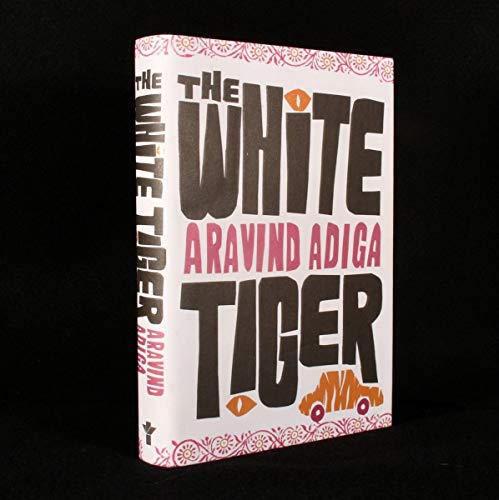
This Booker Prize-winning novel offers a darkly humorous and cynical exposé of modern India's class divide, corruption, and the ruthless pursuit of success. Fans of "The Great Indian Brain Rot" will appreciate its sharp social commentary, satirical tone, and unflinching look at the darker underbelly of society.

by Neil Postman
Postman's seminal non-fiction work critiques how media, particularly television, has transformed public discourse from serious debate into entertainment, leading to a decline in critical thought. This directly resonates with "The Great Indian Brain Rot's" concerns about intellectual decay and media influence.

Orwell's dystopian classic explores themes of surveillance, propaganda, thought control, and the manipulation of truth by an authoritarian regime. Readers who appreciate the critical examination of societal "brain rot" will find its chilling depiction of manufactured reality and suppressed dissent highly relevant and impactful.

by Amartya Sen
Nobel laureate Amartya Sen explores India's long tradition of public debate, intellectual pluralism, and democratic engagement, providing a rich historical and cultural context for understanding contemporary Indian discourse. This offers a deeper, more academic perspective on the intellectual landscape that "The Great Indian Brain Rot" critiques.

Prefer to listen?
Try Audible and hear the story instead of reading it.
As an Amazon Associate, we earn from qualifying purchases.

by Naomi Klein
Klein's investigative non-fiction exposes how political and economic elites exploit crises to push through unpopular policies, often with devastating social consequences. Fans of "The Great Indian Brain Rot" will appreciate its rigorous analysis of power dynamics, political manipulation, and the systemic forces shaping societies.

by Manu Joseph
This satirical novel set in an Indian scientific institute cleverly dissects intellectual pretense, social hierarchies, and the absurdities of modern life with dark humor and sharp wit. Readers who enjoy "The Great Indian Brain Rot's" cynical observations and cultural critique will find a similar vein of intellectual satire here.
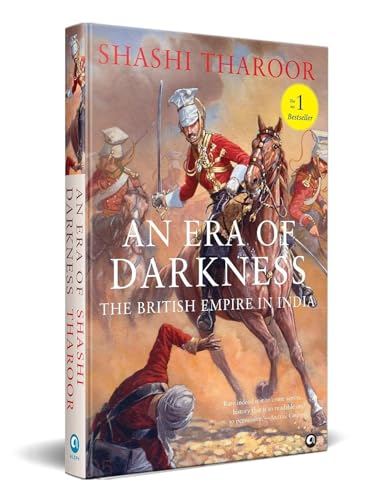
Tharoor's passionate and meticulously researched non-fiction work offers a scathing critique of British colonial rule in India, dismantling common imperial justifications and highlighting its devastating impact. It provides essential historical context for understanding many contemporary Indian issues, appealing to readers interested in critical historical analysis.

Harari's non-fiction work tackles pressing global issues like misinformation, technological disruption, and political polarization, offering a broad, analytical perspective on the challenges facing humanity today. Its intellectual depth and critical examination of contemporary society will resonate with readers of "The Great Indian Brain Rot."

by Edward S. Herman and Noam Chomsky
This foundational non-fiction text presents a powerful critique of mass media, arguing that it serves as a propaganda model for corporate and state interests. Readers interested in "The Great Indian Brain Rot's" examination of media influence and political narratives will find this a deeply insightful and analytical read.

Siddhartha Deb offers a critical and immersive non-fiction portrait of contemporary India, exploring its complexities, inequalities, and aspirations through personal stories and incisive observations. Its realistic and often gritty portrayal of societal challenges makes it a compelling read for those who appreciate "The Great Indian Brain Rot's" candid social commentary.

Love to read on the go?
Explore Kindle e-readers and take your books with you.
As an Amazon Associate, we earn from qualifying purchases.
As an Amazon Associate, we earn from qualifying purchases.