

Based on your book
The Happiness Hypothesis
by Jonathan Haidt
Jonathan Haidt's The Happiness Hypothesis isn't a quick-fix self-help guide, but a thoughtful journey through the enduring questions of human flourishing. He masterfully weaves together insights from ancient philosophy, religious texts, and cutting-edge psychological science to explore what truly makes us happy. It's a deeply reflective reading experience, like having a profound conversation that challenges your assumptions about intuition, reason, and morality. Haidt's famous "rider and elephant" metaphor offers a compelling framework for understanding our inner conflicts. This book is for readers who enjoy intellectual exploration, who are curious about the intersection of history, psychology, and personal growth, and who appreciate a knowledgeable, direct voice guiding them through complex ideas without oversimplification. It's about understanding the human condition, not just optimizing it.
10 Books similar to 'The Happiness Hypothesis'
If you found yourself nodding along with Haidt's synthesis of ancient wisdom and modern psychology, you'll appreciate our curated list. Many of these books, like "Meditations" or "The Art of Happiness," continue his exploration of enduring philosophical questions about purpose and meaning. Others, such as "Thinking, Fast and Slow" and "Sapiens," expand on the psychological and cultural analyses of human nature that Haidt so brilliantly unpacks, offering further insights into how our minds work and how we construct our realities. These selections will satisfy your craving for deep, interdisciplinary thought on what it means to live a good life.
As an Amazon Associate, we earn from qualifying purchases.
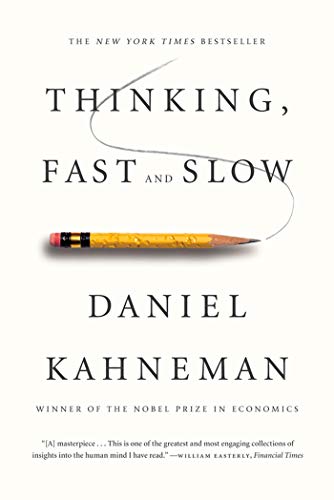
Like Haidt, Kahneman delves into the dual processes of the mind, revealing the intuitive and rational systems that govern our thoughts and decisions. Readers will appreciate the rigorous scientific approach and accessible explanations of cognitive biases that often lead us astray from happiness.

Harari offers a grand narrative of human history, exploring how our species came to dominate the planet and the myths we've created to give life meaning. Fans of Haidt's broad, interdisciplinary approach to understanding human nature and societal impact on well-being will find this equally captivating.
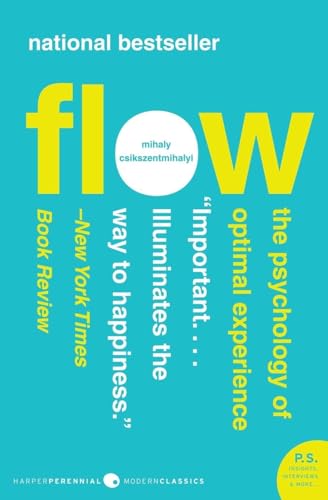
Csikszentmihalyi's seminal work directly addresses the experience of happiness and meaning, identifying the 'flow state' as key to optimal human functioning. This book provides a scientific framework for understanding deep engagement, much like Haidt dissects the components of well-being.

Frankl's profound work, born from his experiences in concentration camps, explores the human capacity to find meaning even in the most horrific circumstances. It resonates with Haidt's philosophical exploration of purpose and the 'meaning hypothesis' as a cornerstone of happiness and resilience.

Not sure what they've already read?
Let them pick their next favorite with an Amazon Gift Card.
As an Amazon Associate, we earn from qualifying purchases.

Gilbert, like Haidt, uses engaging prose and scientific research to challenge our assumptions about happiness, specifically our ability to predict what will make us happy. Readers will enjoy the witty, analytical style and the deep dive into the psychology of our future selves.

Duckworth's research-backed insights into the importance of passion and perseverance for long-term success and fulfillment align with Haidt's emphasis on finding meaning and engaging with life. It offers practical, psychologically informed advice for cultivating resilience and achieving goals.
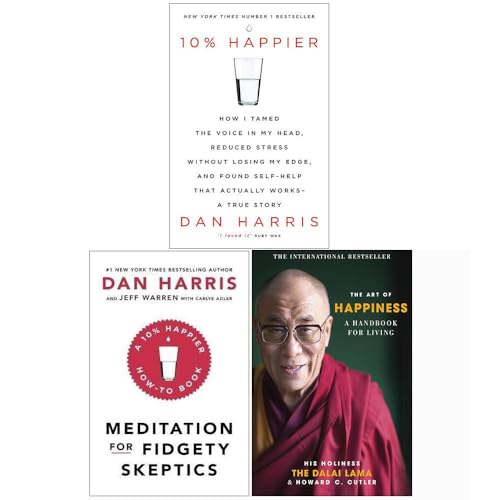
by Howard C. Cutler and Dalai Lama XIV
This book brings together the wisdom of the Dalai Lama and the insights of a Western psychiatrist to explore the nature of happiness. Its blend of ancient spiritual traditions with modern psychological understanding mirrors Haidt's synthesis of ancient philosophy and contemporary science.

For those who appreciate Haidt's integration of ancient wisdom, Marcus Aurelius's Stoic philosophy offers timeless reflections on virtue, reason, and living a good life. It's a direct dive into the kind of philosophical thought that Haidt draws upon to understand human flourishing.

Pink challenges conventional wisdom about motivation, drawing on psychological research to show that autonomy, mastery, and purpose are key drivers. This aligns with Haidt's exploration of what truly contributes to human well-being beyond external rewards and societal pressures.
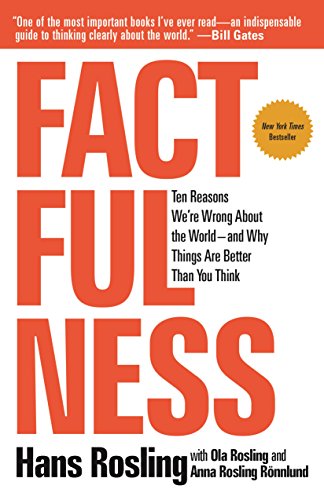
by Hans Rosling
Rosling, like Haidt, uses data and clear analysis to challenge our cognitive biases and present a more accurate, often more optimistic, view of the world. Readers will appreciate the informative, evidence-based approach to understanding human progress and reducing pessimism, which impacts overall well-being.

Prefer to listen?
Try Audible and hear the story instead of reading it.
As an Amazon Associate, we earn from qualifying purchases.
As an Amazon Associate, we earn from qualifying purchases.