

Based on your book
The Happiness Hypothesis: Finding Modern Truth in Ancient Wisdom
by Jonathan Haidt
Jonathan Haidt attempts to bridge the gap between ancient wisdom and modern clinical psychology, framing our internal life as a tug-of-war between our rational rider and our impulsive elephant. The book avoids the fluff of typical self-help, instead offering a grounded, intellectual exploration of how we function, why we suffer, and how we might find a sense of purpose. Reading this feels like sitting in on a series of deeply clarifying lectures from a professor who genuinely wants you to understand your own mind. It is methodical, patient, and occasionally challenging, refusing to offer quick fixes in favor of long-term psychological understanding. If you are the type of reader who enjoys connecting disparate dots between philosophy, evolutionary biology, and your own daily frustrations, this will likely become a book you reach for whenever you feel stuck.
10 Books similar to 'The Happiness Hypothesis: Finding Modern Truth in Ancient Wisdom'
Since you enjoyed the way Haidt blends scientific research with timeless philosophy, these titles were curated to help you dig deeper into the mechanics of the human condition. Whether you are looking for the cognitive science behind our decision-making in Thinking, Fast and Slow, or the existential grit found in Man's Search for Meaning, this list focuses on books that treat personal growth as an analytical pursuit. These selections prioritize introspection and logical inquiry, perfect for readers who appreciate a more rigorous, evidence-based approach to understanding why we act the way we do.
As an Amazon Associate, we earn from qualifying purchases.

Like Haidt, Gilbert uses psychological research to challenge our intuitions about what makes us happy. It offers a witty, accessible, and deeply analytical look at why our brains are wired to misunderstand our own future satisfaction.
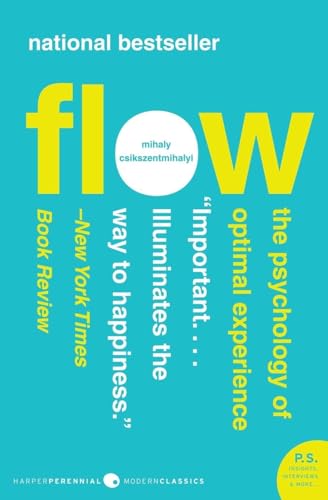
This seminal work explores the state of 'flow,' providing a scientific framework for happiness that complements Haidt's discussion on the divided self. It is essential reading for understanding how to structure one's life to achieve deep satisfaction.

Frankl provides the profound existential grounding that Haidt often references, arguing that finding meaning is the primary human drive. It is a deeply moving, reflective account that bridges the gap between suffering and psychological resilience.
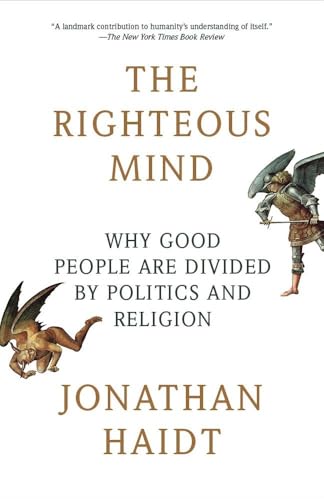
Written by the same author, this book continues the exploration of human nature, specifically focusing on the moral foundations of our beliefs. It is a perfect follow-up for readers who enjoyed Haidt's synthesis of evolutionary psychology and moral philosophy.

Love to read on the go?
Explore Kindle e-readers and take your books with you.
As an Amazon Associate, we earn from qualifying purchases.
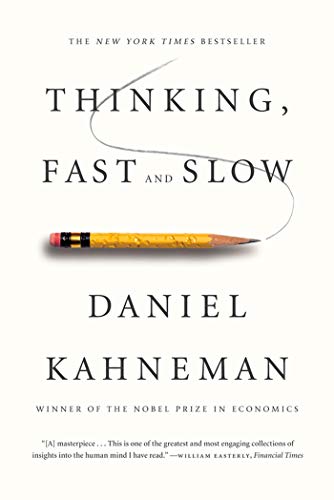
Kahneman's masterpiece on the two systems of thought provides the cognitive science foundation that underpins many of Haidt's arguments about the 'rider and the elephant.' It is an essential read for anyone interested in the mechanics of human judgment.

Haidt frequently draws upon Stoic philosophy to explain modern psychological truths, making this primary text a natural companion. It offers timeless, practical wisdom on how to maintain inner peace amidst external chaos.

by Susan Cain
Cain blends scientific research with cultural analysis to challenge our societal assumptions, much like Haidt does with happiness. It is a deeply empowering book that encourages readers to re-evaluate their own nature and the nature of others.

Burkeman explores the 'negative path' to happiness, investigating Stoicism and other philosophies that Haidt also touches upon. It is a refreshing, cynical-yet-optimistic take on how to find contentment by embracing reality rather than chasing forced positivity.

Duckworth provides the scientific backbone for understanding success and fulfillment, themes that are central to Haidt's discussion on long-term happiness. It is highly readable and offers actionable insights into the psychology of achievement.

Greene explores the intersection of neuroscience and moral philosophy, examining why we struggle to get along with those who have different values. Readers of Haidt will appreciate the similar blend of evolutionary biology and ethical reasoning.

Not sure what they've already read?
Let them pick their next favorite with an Amazon Gift Card.
As an Amazon Associate, we earn from qualifying purchases.
As an Amazon Associate, we earn from qualifying purchases.