

Based on your book
The Happiness Trap
by Russ Harris
The Happiness Trap argues that our relentless pursuit of feeling good is exactly what keeps us miserable. Russ Harris dismantles the modern obsession with constant positivity, replacing it with Acceptance and Commitment Therapy, or ACT. Instead of trying to eliminate negative thoughts or difficult emotions, he teaches you how to change your relationship with them through techniques like defusion and mindfulness. The reading experience is clinical yet incredibly accessible, moving away from fluffy self-help tropes toward a grounded, analytical framework. It feels like a long, honest conversation with a therapist who refuses to let you off the hook. This book is for the reader who is tired of toxic positivity and wants a practical, actionable, and intellectually honest guide to building a life centered on personal values rather than fleeting emotional states.
10 Books similar to 'The Happiness Trap'
Since you finished The Happiness Trap, you likely have an appetite for books that challenge the standard self-help narrative. This curated list focuses on the intersection of existential philosophy and psychological flexibility, moving beyond surface-level advice to address the core of the human experience. Whether you are looking for the clinical foundations of ACT, the meditative practices of Buddhism, or the raw, contrarian wisdom found in existentialist literature, these selections mirror that same commitment to radical honesty. They provide the necessary tools to embrace discomfort as a permanent, non-negotiable part of a meaningful life.
As an Amazon Associate, we earn from qualifying purchases.

Like 'The Happiness Trap,' this profound work argues that the pursuit of happiness is often counterproductive and that meaning is found through purpose and suffering. It provides a foundational philosophical perspective on how to endure life's challenges by changing one's internal relationship with them.
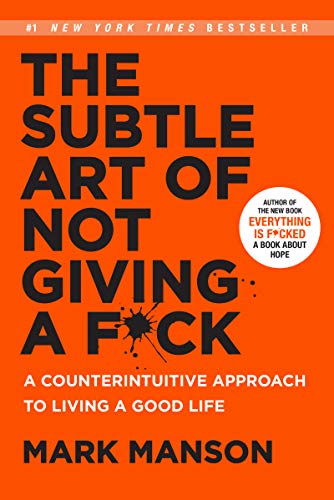
by Mark Manson
This book shares a similar contrarian approach to self-help, rejecting toxic positivity in favor of accepting life's inevitable pain and choosing what truly matters. Readers who appreciated the no-nonsense, practical wisdom of Russ Harris will find this tone refreshing and highly actionable.

This classic guide to mindfulness meditation complements the ACT principles found in 'The Happiness Trap' by offering concrete ways to exist in the present moment. It helps readers cultivate the same psychological flexibility and non-judgmental awareness that Harris champions.

by Spencer Smith and Steven C. Hayes
Written by the co-founder of Acceptance and Commitment Therapy (ACT), this workbook is the direct practical companion to the theories presented in 'The Happiness Trap.' It offers specific exercises to help readers break free from the struggle of negative thoughts and live a values-based life.

Prefer to listen?
Try Audible and hear the story instead of reading it.
As an Amazon Associate, we earn from qualifying purchases.

by Brené Brown
Brown explores the power of vulnerability, which aligns perfectly with the ACT concept of 'willingness'—the act of opening up to difficult emotions rather than avoiding them. Both books encourage readers to stop hiding from their experiences and instead embrace a more authentic, albeit sometimes uncomfortable, life.

Burkeman investigates the 'negative path' to happiness, exploring how embracing uncertainty, failure, and insecurity can lead to a more stable sense of well-being. It mirrors Harris's critique of the modern happiness industry and offers a similarly grounded, realistic approach to mental health.

by Tara Brach
This book bridges the gap between Buddhist meditation and modern psychology, teaching readers how to stop fighting their own experiences. It is an excellent follow-up for those who found the 'defusion' and 'acceptance' techniques in 'The Happiness Trap' to be transformative.
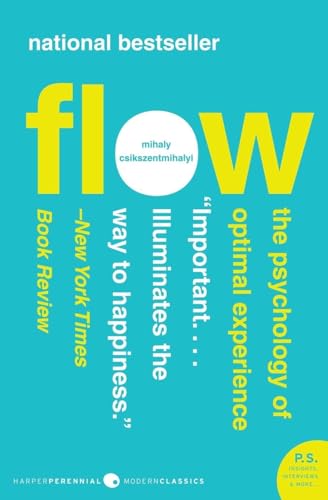
While 'The Happiness Trap' focuses on managing negative states, 'Flow' explores how to cultivate positive engagement through deep focus and immersion in tasks. It provides the 'what' and 'how' of living a fulfilling life once you have cleared the mental clutter of the 'happiness trap.'

by Kristin Neff
Neff provides the emotional framework that supports the ACT techniques in Harris's work by teaching readers how to treat themselves with kindness rather than judgment. It is essential reading for anyone who struggles with the harsh internal critic that often keeps them stuck in the happiness trap.

Yalom, an existential psychiatrist, argues that facing our deepest fears—like mortality—is the key to living a rich, vibrant life. This aligns with Harris's emphasis on values-based living; both authors suggest that true happiness comes from accepting the difficult truths of human existence.

Love to read on the go?
Explore Kindle e-readers and take your books with you.
As an Amazon Associate, we earn from qualifying purchases.
As an Amazon Associate, we earn from qualifying purchases.