

Based on your book
The heart of a dog and other stories
by Михаил Афанасьевич Булгаков
Imagine a world where a brilliant but arrogant surgeon decides to turn a stray dog into a man. That's the bizarre, darkly funny premise at the core of Bulgakov's "The Heart of a Dog." This novella, often paired with other sharp tales, is a masterclass in satire, using its fantastical setup to dissect the absurdities and dangers of social engineering and the cultural clashes of post-revolutionary Russia. Reading it feels like a mischievous wink, a clever, biting commentary on power dynamics, human nature, and the often-unintended consequences of trying to "improve" society. It’s thought-provoking, often unsettling, but always delivered with a dry, wicked humor. If you appreciate fiction that makes you laugh while it makes you think, especially about political follies and the human animal, this collection is absolutely for you.
10 Books similar to 'The heart of a dog and other stories'
If Bulgakov's sharp wit and the unsettling transformation in "The Heart of a Dog" resonated with you, you're in for a treat with these recommendations. We've gathered books that share that distinct blend of incisive social commentary and dark, often absurd humor. Whether it's the allegorical political critiques of Animal Farm and Brave New World, the bizarre, identity-questioning shifts in The Metamorphosis or The Nose, or the profound explorations of power and human nature found in The Master and Margarita, each title here offers a similar intellectual bite and a wonderfully thought-provoking reading experience. You'll find kindred spirits in these pages.
As an Amazon Associate, we earn from qualifying purchases.

by Franz Kafka
Like Bulgakov's novella, Kafka's masterpiece explores an absurd and sudden transformation that forces a character to confront their identity and society's reaction to the 'other.' It delves into themes of alienation, the grotesque, and the psychological impact of being an outsider.
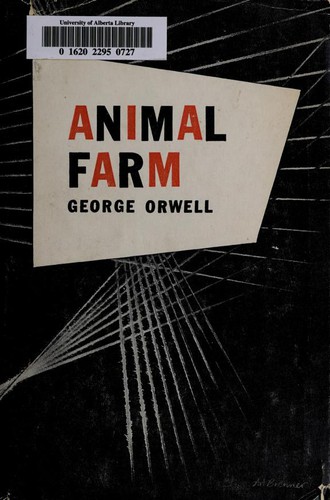
This allegorical novella shares Bulgakov's sharp political satire and critique of totalitarianism, using animals to represent human societal flaws and the corruption of revolutionary ideals. Readers will appreciate the dark humor and incisive social commentary on power dynamics and manipulation.

Bulgakov's magnum opus offers a grander scale of the satirical genius, dark humor, and profound social critique found in 'The Heart of a Dog.' It blends the mundane realities of Soviet life with fantastical elements, challenging authority and exploring human nature with wit and philosophical depth.

Gogol's absurd and satirical short story shares Bulgakov's knack for the bizarre and grotesque, using a fantastical premise to critique Russian society and bureaucracy. Its dark humor and exploration of identity through an inexplicable event will resonate with fans of 'The Heart of a Dog'.

Not sure what they've already read?
Let them pick their next favorite with an Amazon Gift Card.
As an Amazon Associate, we earn from qualifying purchases.
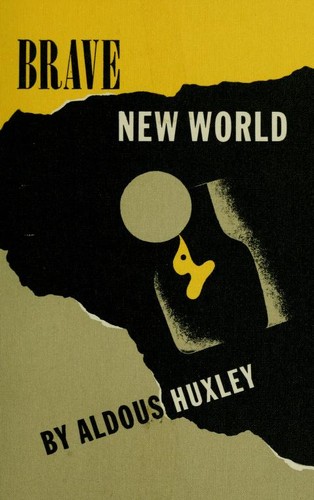
Huxley's dystopian classic, like Bulgakov's work, critiques scientific hubris and societal engineering, questioning the ethics of manipulating human nature for a 'perfect' society. It offers a thought-provoking exploration of individuality versus conformity and the dark side of progress.

Vonnegut's novel blends dark humor, satire, and a non-linear narrative to explore the absurdity of war and human existence, much like Bulgakov uses satire to comment on societal follies. Its philosophical undertones and unique narrative voice will appeal to readers who appreciate 'The Heart of a Dog's' intellectual bite.
This pioneering dystopian novel shares Bulgakov's critique of collectivism and the loss of individual freedom under a controlling regime. Zamyatin's vision of a society where science dictates every aspect of life offers a chilling and thought-provoking parallel to the themes of transformation and social engineering.
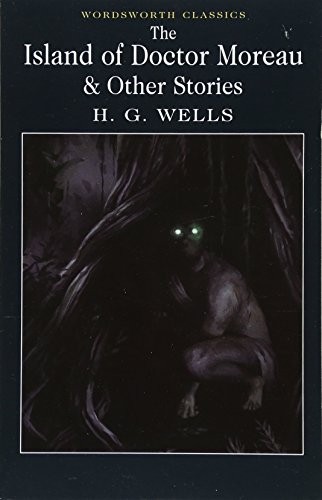
by H.G. Wells
Wells's novel delves into the ethical implications of scientific experimentation and the nature of humanity, echoing Bulgakov's exploration of transformation and the fine line between human and animal. It presents a disturbing and thought-provoking look at power, creation, and morality.

Burgess's controversial novel shares Bulgakov's dark satire and psychological depth, exploring themes of free will, social conditioning, and the nature of good and evil. Its disturbing yet thought-provoking critique of societal control and rehabilitation offers a similar intellectual challenge.
Swift's classic work is a masterclass in satire, using fantastical journeys to lampoon human folly, politics, and scientific hubris, much like Bulgakov critiques Soviet society through allegory. Its witty narrative and sharp social commentary will appeal to readers who enjoy intellectual and humorous critique.

Prefer to listen?
Try Audible and hear the story instead of reading it.
As an Amazon Associate, we earn from qualifying purchases.
As an Amazon Associate, we earn from qualifying purchases.