

Based on your book
The History and Social Influence of the Potato
by Salaman, Redcliffe N.
Redcliffe Salaman’s definitive study is less a standard agricultural text and more a sweeping biography of a single tuber that fundamentally reorganized human society. He meticulously tracks the potato from its Andean origins to its role as a catalyst for population explosions, mass migration, and systemic famine in Europe. The prose is dense, academic, and deeply observational, rewarding the patient reader with a granular look at how a humble plant dictates the fortunes of empires. This is not a casual browse; it is a serious, intellectual undertaking that demands focus. You will enjoy this if you prefer your history grounded in material reality rather than just political movements. It is perfect for those who want to understand the invisible, biological threads that hold our modern world together, provided you appreciate a scholarly, authoritative voice that leaves no stone unturned.
10 Books similar to 'The History and Social Influence of the Potato'
Since you enjoyed how Salaman elevated the potato to a historical protagonist, you will likely appreciate these selections that treat mundane commodities as anchors for global narratives. We have curated these titles because they share that distinct intellectual DNA, exploring how specific resources like salt, cod, or sugar have dictated the terms of human labor, trade, and social evolution. Whether you are interested in the scientific co-evolution of plants and people or the darker sociological impacts of resource extraction, these works continue the tradition of examining history through the lens of our most essential, overlooked objects.
As an Amazon Associate, we earn from qualifying purchases.

Like Salaman's work, this book takes a single, seemingly mundane commodity and traces its profound, world-altering influence on human civilization. It shares the same meticulous research style, transforming a simple ingredient into a lens through which to view global history, economics, and power dynamics.

This book mirrors the narrative structure of Salaman's potato history by focusing on a specific biological subject to explain complex geopolitical shifts. Readers who appreciated the deep dive into the agricultural and economic consequences of the potato will find this equally fascinating and scholarly.
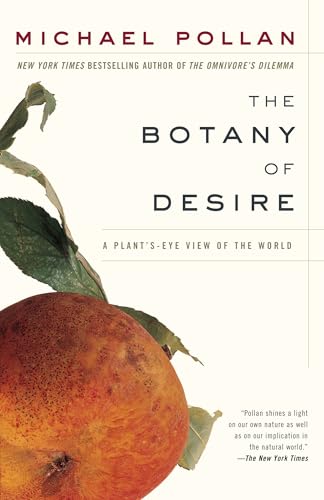
Pollan explores the co-evolution of humans and plants, offering a perspective that complements Salaman's focus on the potato. It provides a similar intellectual thrill by reframing our relationship with the natural world through a historical and scientific lens.

by Dan Koeppel
This narrative history tracks the rise and precarious future of the banana, echoing the way Salaman detailed the potato's impact on society. It combines scientific inquiry with historical storytelling, making it a perfect follow-up for those interested in commodity-driven history.

Prefer to listen?
Try Audible and hear the story instead of reading it.
As an Amazon Associate, we earn from qualifying purchases.

Focusing on New York City, this book uses the history of the oyster to explain the development of an urban center, much like Salaman used the potato to explain the development of nations. It is a masterclass in using a specific subject to ground a broad historical narrative.

by Jack Turner
Turner provides a sweeping, scholarly look at how spices shaped the modern world, sharing the same grand ambition as Salaman's work. It is a dense, rewarding read that connects the dots between trade, culture, and human desire.

by Bill Bryson
While broader in scope than Salaman's specific focus, Bryson's work shares the same curiosity about the 'hidden' history of everyday things. It is an excellent choice for readers who enjoy learning how the mundane objects and habits of daily life are actually the bedrock of historical change.

For readers who appreciated the darker, sociological implications of Salaman's analysis—specifically how a resource can lead to exploitation—this book is essential. It provides a rigorous, historical examination of how economic greed and resource extraction shaped human suffering.

by Marc Aronson and Marina Budhos
This book mirrors Salaman's approach by linking a single commodity to the massive societal shifts of slavery, labor, and global trade. It is a deeply researched, analytical work that treats its subject with the same gravity and historical importance as the potato.

Johnson expertly weaves science, history, and urban planning together to tell the story of a cholera outbreak in London. Like Salaman, he demonstrates how a single biological or agricultural factor can fundamentally alter the course of urban life and public policy.

Love to read on the go?
Explore Kindle e-readers and take your books with you.
As an Amazon Associate, we earn from qualifying purchases.
As an Amazon Associate, we earn from qualifying purchases.