

Based on your book
The Hospital
by Brian Alexander
Brian Alexander's The Hospital brings you right into the corridors and patient rooms of Bryan Community Hospital, a small, rural Ohio facility fighting for its life. This isn't a high-level policy brief; it's a ground-level view of how America's healthcare crisis plays out daily for doctors, nurses, and the people they care for. You'll witness the relentless grind, the impossible ethical choices, and the profound human cost of a system strained to its breaking point. It’s a heartbreaking, often infuriating read that puts faces to the statistics, making you feel the urgency and despair of those navigating a broken system. This book is for anyone seeking an unvarnished, deeply empathetic look at the real-world impact of healthcare economics and the resilience of communities fighting to survive.
10 Books similar to 'The Hospital'
If The Hospital left you grappling with the profound human cost of America's healthcare system and the systemic failures that underpin it, our recommendations offer further insight. We've curated books that, like Alexander's work, blend deeply personal stories with incisive social commentary, pulling back the curtain on institutions and power dynamics. Whether you're interested in the opioid crisis, the economics of medicine, or the broader impact of poverty and inequality on health outcomes, these titles will continue to illuminate the complex, often heartbreaking realities of survival within a challenging landscape.
As an Amazon Associate, we earn from qualifying purchases.

by Beth Macy
Like The Hospital, this book examines how systemic failures and corporate interests devastate small-town America. It provides a deeply human look at the opioid crisis, mirroring Alexander's focus on the intersection of healthcare, economics, and community struggle.
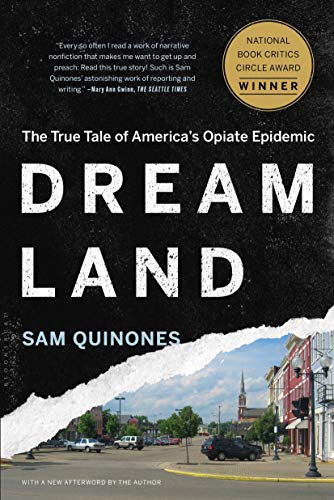
by Sam Quinones
This investigative work mirrors the narrative style of The Hospital by weaving together individual stories with a broader analysis of economic decline. It explores how the healthcare industry and pharmaceutical marketing transformed the landscape of rural and suburban America.

by Sheri Fink
This book offers a harrowing, microscopic look at a hospital in crisis, much like Alexander's deep dive into the Bryan community hospital. It forces readers to confront the impossible ethical dilemmas and systemic collapses that occur when healthcare infrastructure fails.

by Marty Makary
While The Hospital focuses on the human impact of healthcare economics, this book provides the analytical counterpart regarding the business of medicine. It exposes the same 'industrial complex' themes that Alexander highlights through his observational reporting.

Prefer to listen?
Try Audible and hear the story instead of reading it.
As an Amazon Associate, we earn from qualifying purchases.

Desmond uses a similar immersive reporting style to show how systemic economic issues trap individuals in cycles of poverty. Fans of Alexander's focus on the socioeconomic determinants of health will find the same level of rigorous, empathetic documentation here.

by Sarah Smarsh
This book provides the personal, lived experience of the class struggles and healthcare barriers discussed in The Hospital. It offers a reflective and intimate look at how policy and economic shifts impact the health and longevity of the working class.

by Nicholas D. Kristof and Sheryl WuDunn
Focusing on the authors' hometown in Oregon, this book mirrors Alexander's approach of using a specific geographic location to tell a larger story of American decline. It explores the same themes of lost industry, failing safety nets, and the resilience of the people left behind.

by T.R. Reid
If the systemic failures in The Hospital left you asking how things could be different, this book provides the comparative analysis. It looks at healthcare as a reflection of national values, similar to Alexander's exploration of the American ethos.

This is a masterpiece of immersive journalism that, like The Hospital, spends years following its subjects to show the slow-motion impact of systemic neglect. It captures the same sense of claustrophobia and the struggle for dignity within broken systems.

Kotlowitz's observational style and focus on the human stories behind grim statistics will resonate with readers of Brian Alexander. It provides a poignant look at community trauma and the failure of institutions to protect the vulnerable.

Love to read on the go?
Explore Kindle e-readers and take your books with you.
As an Amazon Associate, we earn from qualifying purchases.
As an Amazon Associate, we earn from qualifying purchases.