

Based on your book
The Hot Zone
by Preston, Richard
The Hot Zone is a chilling look at the emergence of filoviruses like Ebola and Marburg, tracing their path from remote rainforests to the high-containment laboratories of the United States. Preston writes with a clinical precision that makes the biology feel monstrous, detailing exactly how these pathogens dismantle the human body. The pacing is relentless, shifting between the desperate efforts of scientists in hazmat suits and the terrifying reality of a virus that can wipe out a population in days. It is not a book for the faint of heart, as it forces you to confront how fragile our modern society is in the face of microscopic threats. If you enjoy true stories that read like high-stakes thrillers and have a genuine interest in the intersection of nature and lethal science, this will keep you awake at night.
10 Books similar to 'The Hot Zone'
Since you finished The Hot Zone and are likely craving more of that specific blend of scientific dread and investigative intensity, we have curated a list to keep you in that headspace. These selections bridge the gap between historical epidemiology and the modern reality of zoonotic threats. Whether you are interested in the meticulous detective work of medical history or the terrifying mechanics of how viruses jump species, these books capture that same sense of urgency. They explore the thin, fragile line between human civilization and the natural world's most dangerous pathogens.
As an Amazon Associate, we earn from qualifying purchases.

Written by the same author as The Hot Zone, this book continues his terrifying exploration of biological threats, specifically focusing on the eradication of smallpox and the potential for bioterrorism. Fans of Preston's clinical yet heart-pounding narrative style will find this an essential and equally chilling companion piece.

This meticulously researched account of the 1918 flu pandemic mirrors the high-stakes biological drama found in The Hot Zone. It masterfully balances scientific history with the human cost of a global contagion, making it perfect for readers fascinated by epidemiology and public health crises.

Quammen provides a gripping, globe-trotting investigation into zoonotic diseases, connecting the dots between animal viruses and human outbreaks. It shares The Hot Zone's sense of looming scientific dread and the fascinating, terrifying mechanics of how viruses jump species.

by Randy Shilts
This seminal work of investigative journalism chronicles the early days of the AIDS epidemic with the same urgency and investigative rigor as Preston's work. It captures the terrifying intersection of medical mystery, institutional failure, and human survival.

Love to read on the go?
Explore Kindle e-readers and take your books with you.
As an Amazon Associate, we earn from qualifying purchases.

While a work of fiction, this thriller was inspired by the same research Preston conducted for his non-fiction work, making it feel frighteningly plausible. It delivers the same claustrophobic, high-stakes terror of a biological weapon unleashed on a civilian population.

This investigative book exposes the secrets of Plum Island Animal Disease Center, blending true crime elements with scientific inquiry. Readers who enjoyed the 'behind-the-scenes' look at high-containment labs in The Hot Zone will find this equally unsettling and informative.

by Tracy Kidder
This biography of Dr. Paul Farmer offers a more hopeful, yet equally intense look at the battle against infectious diseases like tuberculosis and AIDS. It provides a humanistic counterpoint to the clinical terror of The Hot Zone while maintaining a focus on the gravity of medical crises.

This narrative non-fiction book tells the story of the 1854 London cholera outbreak and the birth of modern epidemiology. It shares the 'medical detective' vibe of The Hot Zone, focusing on how brilliant minds race to understand a deadly killer before it claims more lives.
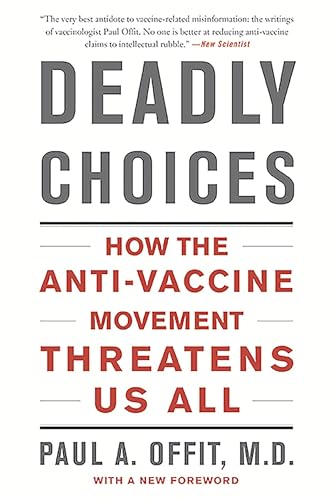
For those interested in the public health implications of the viruses discussed in The Hot Zone, this book provides a rigorous look at the science and history of vaccines. It matches the analytical, science-focused tone of Preston's writing while tackling a modern, high-stakes debate.

by Gina Kolata
Kolata combines the history of the 1918 pandemic with the modern scientific quest to exhume and analyze the virus from victims. It captures the same scientific obsession and the terrifying power of viral evolution that makes The Hot Zone so compelling.

Not sure what they've already read?
Let them pick their next favorite with an Amazon Gift Card.
As an Amazon Associate, we earn from qualifying purchases.
As an Amazon Associate, we earn from qualifying purchases.