

Based on your book
The Hour of the Star
by Lispector, Clarice
Macabea is a typist living in the fringes of Rio de Janeiro, a woman so profoundly unremarkable that she barely seems to occupy space in the world. Rodrigo S.M., the narrator, is obsessed with her, yet his narration is colored by his own arrogance and existential weariness. This is not a story about plot; it is a clinical, haunting examination of what it means to be alive when you are entirely invisible to society. The prose is sparse and sharp, cutting through the sentimentality usually found in underdog stories to reveal something far bleaker and more honest. Reading this feels like peering through a cracked lens at someone else's fragile reality. It is for the reader who values philosophical intensity over comfort, and who wants to sit with the uncomfortable, quiet loneliness of being human in an indifferent universe.
10 Books similar to 'The Hour of the Star'
When you finish this book, you might feel a lingering sense of displacement that demands further exploration. We selected these ten titles because they share that same cold, beautiful focus on the alienated individual. Whether through the fragmented consciousness of Pessoa or the visceral, poverty-stricken madness of Hamsun, these works mirror the way Lispector strips away the illusions of identity. If you want to continue dwelling in the space where existential dread meets the quiet tragedy of the outsider, these authors offer a map through the most desolate and revealing corners of the human experience.
As an Amazon Associate, we earn from qualifying purchases.

If you are drawn to the existential intensity and philosophical depth of Lispector's final work, this novel is the essential companion piece. It offers a similarly claustrophobic and transformative journey into the nature of consciousness and the self, written with the same raw, lyrical power.

Fans of Macabéa's alienation and the narrator's cynical detachment in Lispector's work will find a kindred spirit in Dostoevsky's anti-hero. Both books masterfully explore the dark, contradictory corners of the human psyche through an unreliable and deeply isolated narrative voice.
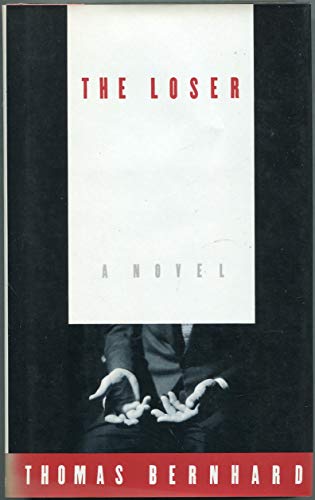
Bernhard shares Lispector's obsession with the burden of genius and the crushing weight of mediocrity. The relentless, rhythmic prose style mirrors the meta-fictional anxieties present in 'The Hour of the Star,' focusing on the failure of the individual against the backdrop of a larger, indifferent world.

by Knut Hamsun
This classic novel captures the same visceral experience of poverty and mental fragmentation as Lispector's masterpiece. The protagonist's descent into madness while wandering the streets of Christiania echoes Macabéa's own precarious existence and invisibility in the city.

Prefer to listen?
Try Audible and hear the story instead of reading it.
As an Amazon Associate, we earn from qualifying purchases.

by Juan Rulfo
This seminal work of Latin American literature shares the dreamlike, fragmented structure and haunting atmosphere found in Lispector's writing. It explores themes of death, memory, and the ghostly nature of existence with a brevity and poetic precision that fans of 'The Hour of the Star' will deeply appreciate.

by Jean Rhys
Rhys, like Lispector, writes with profound empathy for the marginalized woman who is silenced by society and history. The narrative voice is fragile and deeply interior, mirroring the way Macabéa is 'written' into existence by a narrator who struggles to fully see her.

This fragmentary masterpiece is the ultimate exploration of the interior life and the struggle to exist in a world that feels alien. Its meditative, philosophical tone and focus on the mundane details of a solitary life perfectly complement the existential inquiries found in Lispector's work.

by Albert Camus
Both Lispector and Camus deal with the absurdity of existence and the indifference of the universe toward the individual. Readers who were struck by the detached, observational style of 'The Hour of the Star' will find a similar, stark clarity in Meursault's narration.

This novella uses a hypnotic, second-person narrative style that forces the reader to confront the blurred lines between reality and illusion. It shares the same eerie, claustrophobic, and highly stylized atmosphere that makes Lispector's work so singular and memorable.

by Kōbō Abe
Focusing on a man trapped in a shifting landscape, this novel explores themes of entrapment, identity, and the absurdity of labor. It resonates with Lispector's interest in the dehumanizing effects of poverty and the struggle to find meaning in a repetitive, confined life.

Love to read on the go?
Explore Kindle e-readers and take your books with you.
As an Amazon Associate, we earn from qualifying purchases.
As an Amazon Associate, we earn from qualifying purchases.