

Based on your book
The House of Wisdom
by Al-Khalili, Jim
Jim Al-Khalili invites you to step inside the intellectual heart of the medieval Islamic world. This book chronicles the rise of Baghdad as a global epicenter of learning, where scholars painstakingly preserved ancient Greek texts and sparked a revolution in mathematics, astronomy, and medicine. Rather than a dry recitation of dates, the narrative feels like a guided tour through a bustling, vibrant laboratory of ideas. You will encounter polymaths whose names are often missing from Western textbooks but whose work laid the literal foundations for modern science. The pacing is steady and thoughtful, designed for readers who enjoy unearthing the hidden connective tissue of history. If you are someone who keeps a notebook nearby to jot down names of philosophers or finds yourself fascinated by how ancient curiosity translates into modern discovery, this book will leave you deeply inspired.
10 Books similar to 'The House of Wisdom'
If the historical breadth of The House of Wisdom left you wanting more, our selections focus on the same cross-pollination of global ideas. We chose books like The Silk Roads and Lost Enlightenment because they mirror Al-Khalili’s commitment to re-centering non-Western contributions to human progress. Whether you are interested in the transmission of classical knowledge found in The Map of Knowledge or the cultural tolerance explored in The Ornament of the World, these titles share a common goal: to challenge the traditional Western canon by highlighting the intellectual fervor that once connected the entire medieval world.
As an Amazon Associate, we earn from qualifying purchases.

Much like Al-Khalili's work, this book reorients the reader's perspective by focusing on the pivotal role of the East in shaping global history. It provides a sweeping, intellectual narrative that connects scientific and cultural advancements across centuries.

This book serves as a perfect companion to The House of Wisdom, detailing the specific intellectual explosion that occurred in Central Asia. It shares the same passion for uncovering forgotten history and highlighting the contributions of polymaths to modern science.

by Ehsan Masood
Masood provides a concise and accessible history of the scientific achievements within the Islamic world, mirroring Al-Khalili's mission to bridge the gap between historical discovery and contemporary understanding. It is an essential read for those interested in the specific scientific advancements of the era.

This narrative history tracks the transmission of ancient knowledge through the Islamic world to Europe, echoing the themes of preservation and intellectual exchange found in Al-Khalili's work. It captures the journey of ideas across borders with a similar sense of wonder.

Prefer to listen?
Try Audible and hear the story instead of reading it.
As an Amazon Associate, we earn from qualifying purchases.
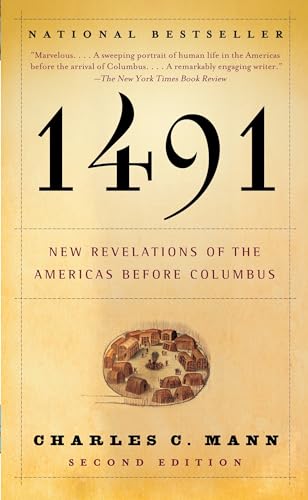
While covering a different region, this book shares the same revisionist spirit as The House of Wisdom, challenging established narratives by revealing the sophisticated scientific and societal advancements of a non-Western civilization. It is deeply researched and intellectually stimulating.

This book beautifully illustrates the cross-pollination of cultures and ideas, much like the intellectual environment described in Al-Khalili's account of Baghdad. It emphasizes how diverse communities can foster a golden age of art, science, and philosophy.

by Tom Standage
Standage uses a unique lens to explore human history, much like Al-Khalili uses the House of Wisdom to anchor his narrative. It is an accessible, fascinating look at how mundane items have shaped the trajectory of civilization through scientific and cultural shifts.

Fans of Al-Khalili's focus on the spirit of scientific discovery will appreciate Holmes's exploration of the intersection between science and culture. It captures the excitement of exploration and the intellectual fervor that drives humanity forward.

For readers who enjoyed the historical context of the Islamic world's interaction with other powers, this book provides a gripping account of the geopolitical struggles of the era. It offers a more narrative, action-oriented look at the same historical landscape.

This book provides a rigorous, intellectual deep dive into how modern science came to be, making it a perfect follow-up for those who want to understand the legacy of the discoveries made during the Golden Age of Islam. It is dense, thorough, and deeply rewarding.

Love to read on the go?
Explore Kindle e-readers and take your books with you.
As an Amazon Associate, we earn from qualifying purchases.
As an Amazon Associate, we earn from qualifying purchases.