

Based on your book
The Indigo Press Designing Hope.
by Sarah Housley
Designing Hope examines how the physical environments we inhabit influence our collective well-being and sense of community. Sarah Housley moves beyond dry technical manuals to explore the emotional weight of architecture and urban planning, arguing that our streets, parks, and buildings should be designed to foster connection rather than isolation. The reading experience is quiet, reflective, and deeply optimistic, encouraging you to look at your own neighborhood with fresh, critical eyes. It feels like a long, thoughtful conversation with an expert who genuinely believes that better design can lead to a more equitable society. This book is for anyone who has ever felt frustrated by a sterile city center or inspired by a vibrant public square. If you are interested in how personal growth intersects with social infrastructure, this is a beautiful, empowering guide to reclaiming your surroundings.
10 Books similar to 'The Indigo Press Designing Hope.'
Since Designing Hope leaves you feeling energized about the potential of your own neighborhood, these ten selections were curated to help you deepen that practical and philosophical interest. Whether you want to explore the psychological impact of beauty with Alain de Botton, understand the social infrastructure behind healthy communities with Eric Klinenberg, or find actionable ways to reclaim public spaces through tactical urbanism, this list bridges the gap between high-level theory and daily life. These authors all share the core belief that our built environment is a tool for building a more hopeful, connected future.
As an Amazon Associate, we earn from qualifying purchases.

by Jane Jacobs
This seminal text is the intellectual ancestor to Designing Hope, offering a foundational look at how urban design directly impacts the social fabric of communities. Readers who appreciated Housley's exploration of human-centric architecture will find this equally essential for understanding the power of city spaces.

Montgomery bridges the gap between urban planning and psychology, much like Housley does in her work. It is an uplifting, research-backed examination of how the way we build our cities directly dictates our happiness and social connectivity.

by Jeff Speck
Focusing on the practical application of design to improve quality of life, this book shares Housley's belief that thoughtful, human-scaled design is a catalyst for positive change. It provides a hopeful, actionable roadmap for making our environments more livable and connected.

De Botton explores the philosophical connection between our surroundings and our internal state, mirroring Housley's interest in how design shapes human experience. It is a contemplative and lyrical look at why beauty and design matter to our emotional well-being.

Not sure what they've already read?
Let them pick their next favorite with an Amazon Gift Card.
As an Amazon Associate, we earn from qualifying purchases.

Klinenberg argues that the physical spaces where we gather—libraries, parks, community centers—are the bedrock of a healthy society. Fans of Designing Hope will appreciate this deep dive into how 'social infrastructure' can foster resilience and hope in divided communities.
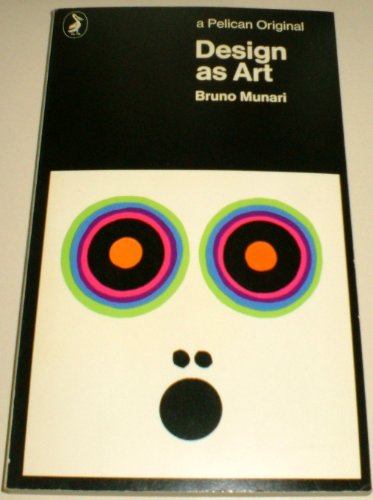
by Bruno Munari
This classic collection of essays advocates for design that is accessible, functional, and deeply tied to the human experience. It shares the optimistic, design-forward spirit of Housley's work, emphasizing that design is not just for the elite, but for everyone.

by David Sim
Sim focuses on the human scale of density, arguing that we can build cities that are both efficient and deeply pleasant to live in. It aligns perfectly with the themes of Designing Hope, focusing on the intersection of architecture, community, and daily comfort.

by Mike Lydon and Anthony Garcia
This book provides a practical guide to the 'hope' Housley describes, showing how small-scale, grassroots design interventions can spark massive change. It is an empowering read for anyone interested in how individuals can reclaim and improve their public spaces.

Whyte's observational study of how people actually use city spaces is a foundational piece of literature for anyone interested in human-centric design. Its focus on the 'social life' of places echoes the community-building aspirations found in Designing Hope.
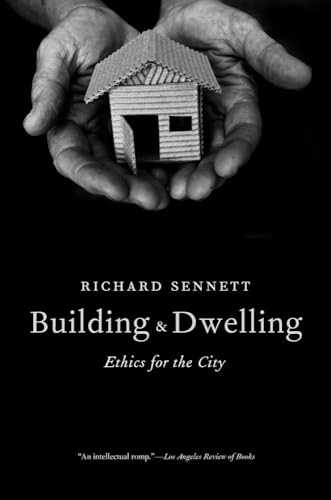
Sennett explores the divide between the city as built (the 'ville') and the city as experienced (the 'cité'), much like Housley's investigation into the emotional impact of our surroundings. It is a deeply intellectual and reflective look at how we can design cities that truly serve their inhabitants.

Prefer to listen?
Try Audible and hear the story instead of reading it.
As an Amazon Associate, we earn from qualifying purchases.
As an Amazon Associate, we earn from qualifying purchases.