

Based on your book
The Information
by James Gleick
The Information by James Gleick takes you on an expansive journey through one of humanity's most fundamental, yet often overlooked, concepts: information itself. Gleick doesn't just tell a story; he unpacks how we've understood, created, and transmitted knowledge from talking drums to the internet. This isn't a quick read; it's a deep, analytical exploration that connects historical milestones, scientific breakthroughs, and philosophical insights. You'll trace the lineage of ideas from Babbage and Lovelace to Shannon, seeing how our very consciousness has been shaped by the tools and theories of communication. If you're a reader who relishes intellectual history, who loves to pull back the curtain on foundational concepts, and who enjoys a meticulously researched, thought-provoking narrative that reframes how you see the world, this book is a truly rewarding experience.
10 Books similar to 'The Information'
If you found yourself captivated by Gleick's sweeping historical deep dive into the nature of information, you're in for a treat with these next reads. We've gathered books that share that same intellectual curiosity and analytical approach to big ideas. Whether you’re drawn to the behind-the-scenes look at how technology shapes us, enjoy a grand cultural analysis of human development, or want to explore the historical underpinnings of our modern information age, these selections extend the thought-provoking journey Gleick began. They celebrate the kind of insightful, broad-scope thinking that makes complex subjects so engaging.
As an Amazon Associate, we earn from qualifying purchases.

by James Gleick
Directly by the same author, this book delves into chaos theory with the same brilliant narrative style, making complex scientific ideas accessible and fascinating. It explores the nature of predictability, randomness, and order, which are deeply intertwined with the concepts of information and entropy that Gleick examines in "The Information."
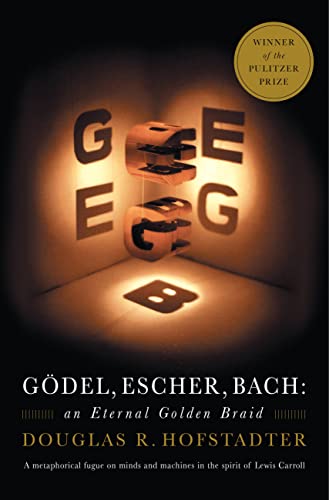
This Pulitzer Prize-winning book is a monumental exploration of intelligence, computation, self-reference, and the nature of patterns across mathematics, art, and music. Its playful yet profound style and ambitious scope in connecting disparate fields will resonate strongly with readers who appreciate Gleick's intellectual curiosity and ability to synthesize complex ideas.

Harari's sweeping history examines how information—specifically, shared fictions and narratives—has been a foundational element in human cooperation and the development of societies. Like Gleick, Harari synthesizes vast amounts of knowledge from various disciplines into a compelling and thought-provoking narrative about what makes us human.

Carr directly addresses the contemporary impact of the digital information age, building on the historical trajectory Gleick explores. He critically examines how the internet and its constant flow of information are reshaping our cognitive processes, offering a crucial modern perspective on the themes of communication and human-technology interaction.

Prefer to listen?
Try Audible and hear the story instead of reading it.
As an Amazon Associate, we earn from qualifying purchases.

Petzold brilliantly demystifies the foundational principles of computing and information technology, starting from basic concepts like Morse code and Braille and building up to modern computers. Readers who enjoyed Gleick's historical and conceptual deep dive into information will appreciate Petzold's clear, engaging, and comprehensive explanation of how information is encoded, transmitted, and processed.

Diamond's Pulitzer-winning work offers a grand, multidisciplinary explanation for the differential development of human societies, much like Gleick provides a grand narrative for information. It uses an analytical, evidence-based approach to explore deep historical forces, appealing to readers who enjoy big-picture thinking, historical deep dives, and the synthesis of diverse fields.

by Tracy Kidder
This classic of technology journalism immerses readers in the intense, human-driven process of designing a groundbreaking computer in the late 1970s. While more focused on the 'making' than the 'theory,' it offers a compelling, behind-the-scenes look at the human ingenuity and challenges involved in building the machines that process and transmit information, echoing Gleick's fascination with the evolution of communication tools.
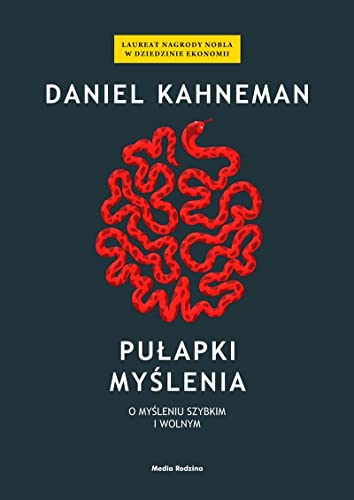
Kahneman's groundbreaking work explores the two systems that drive human thought and decision-making, offering profound insights into how we process and interpret information, and the biases that influence our judgments. For readers who appreciate Gleick's analytical approach to understanding complex systems, Kahneman provides a fascinating look into the internal mechanisms of information processing within the human mind.

This book provides a focused historical and cultural exploration of writing systems from around the world, a fundamental technology for encoding and transmitting information. For readers who enjoyed Gleick's historical journey through communication, Robinson offers a detailed and accessible account of the origins, evolution, and impact of the written word, a cornerstone of information itself.

by Brian Christian and Tom Griffiths
This book bridges the gap between computer science and everyday life, showing how algorithms developed for managing information in computers can offer profound insights into human decision-making. It's an analytical and highly informative exploration of how we optimize, search, and process information in our own lives, appealing to readers who enjoy Gleick's blend of scientific concepts and their broader implications.

Love to read on the go?
Explore Kindle e-readers and take your books with you.
As an Amazon Associate, we earn from qualifying purchases.
As an Amazon Associate, we earn from qualifying purchases.