

Based on your book
The Iron Heel
by Jack London
The Iron Heel functions as a jagged, prophetic blueprint for the collapse of democracy. Framed as a recovered manuscript from a future era, the story tracks the emergence of an impenetrable corporate oligarchy that systematically dismantles the working class. Unlike more polished dystopian novels, this book feels like a raw dispatch from the front lines of a revolution. London does not bother with soft edges; he delivers a dense, argumentative, and deeply cynical look at how power concentrates and how quickly liberty can be extinguished by sheer industrial force. It is not an easy or light read, as the tone is relentlessly grim and intellectually demanding. You should pick this up if you prefer your social commentary served with historical grit and a heavy dose of revolutionary fervor, and if you enjoy books that function more like political manifestos than standard genre fiction.
10 Books similar to 'The Iron Heel'
If the bleak, uncompromising look at power in The Iron Heel left you wanting more, our curated list focuses on the evolution of political dissent and the fragility of social structures. We have selected these titles because they echo London's obsession with how systems—whether they be totalitarian states, corporate empires, or rigid economic machines—crush the individual. From the psychological toll depicted in Darkness at Noon to the biting satire of It Can't Happen Here, these stories examine the same intersection of ideology and survival that makes London's work feel so disturbingly relevant today.
As an Amazon Associate, we earn from qualifying purchases.

Like The Iron Heel, this seminal work explores the chilling consolidation of power and the crushing of individual dissent under a totalitarian regime. Both books serve as cautionary political treatises that remain deeply unsettling and intellectually stimulating.

This novel mirrors London's exploration of how democracy can slide into fascism within a modern nation. It shares the same urgent, political tone and focuses on the fragility of democratic institutions against rising authoritarianism.

As a direct influence on Orwell and a contemporary peer to London's dystopian vision, this novel depicts a hyper-rationalized society that suppresses the human spirit. Readers who appreciate London's critique of systemic control will find this equally compelling.
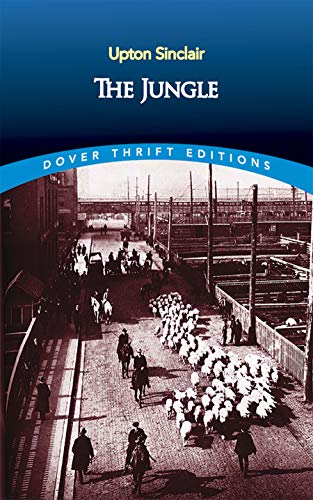
Sharing the same era and socialist fervor as Jack London, Sinclair's work exposes the brutal exploitation of the working class. It provides the same gritty, informative, and impassioned look at labor struggles that defines the core of The Iron Heel.

Not sure what they've already read?
Let them pick their next favorite with an Amazon Gift Card.
As an Amazon Associate, we earn from qualifying purchases.

by Ray Bradbury
This novel captures the same anxiety about the suppression of knowledge and the manipulation of the masses by an all-powerful state. Fans of London's revolutionary themes will appreciate the focus on intellectual resistance in a conformist world.

Steinbeck's masterpiece captures the raw, visceral struggle of the working class against oppressive economic forces, much like London's depiction of the proletariat's fight. It is a powerful, heart-wrenching examination of systemic injustice.

While London's Oligarchy uses brute force, Huxley's World State uses conditioning and pleasure; both books, however, are essential reading for their deep, analytical look at how societies control their citizens. They offer complementary views on the loss of freedom.

by Mark Twain
This book shares London's penchant for using a 'fish out of water' narrative to critique contemporary society and political systems. It blends satire with a serious look at how power, technology, and class structures shape civilization.

Le Guin provides a sophisticated, philosophical look at the clash between different political systems—anarchism versus capitalism. It is a perfect follow-up for readers who enjoyed the intellectual, ideological debates embedded within The Iron Heel.
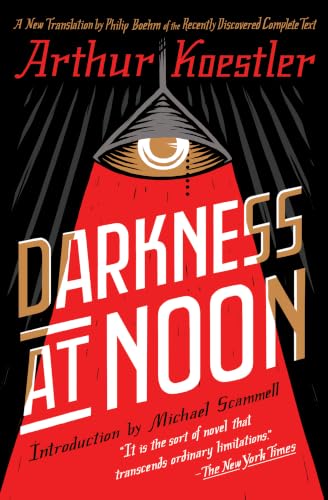
This novel is a gripping, psychological study of a revolutionary caught in the gears of the very system he helped create. It mirrors London's focus on the internal and external conflicts of political movements and the corruption of ideals.

Prefer to listen?
Try Audible and hear the story instead of reading it.
As an Amazon Associate, we earn from qualifying purchases.
As an Amazon Associate, we earn from qualifying purchases.