

Based on your book
The Jungle
by Upton Sinclair
The Jungle isn't a comfortable read, but it's an essential one. Upton Sinclair pulls back the curtain on the early 20th-century Chicago meatpacking industry, following Jurgis Rudkus and his family as they chase the American Dream, only to find themselves trapped in a brutal cycle of exploitation and despair. This book is a visceral, unflinching look at the human cost of industrial capitalism, painting a dark, gritty picture of poverty, corruption, and the sheer struggle for survival. You'll feel the cold, the hunger, the desperation right alongside the characters. It's a tragic journey that strips away any romantic notions, leaving you with a profound sense of injustice. Pick this up if you're ready for a powerful, often disturbing, historical narrative that forces you to confront uncomfortable truths about society and human resilience.
10 Books similar to 'The Jungle'
For readers who felt the profound impact of The Jungle's stark portrayal of systemic injustice and the fight for dignity, our curated list continues that powerful conversation. We've gathered books that echo Sinclair's unflinching social commentary, exploring the brutal realities of working-class life and the raw struggle against overwhelming power dynamics. These selections delve into similar dark, gritty, and often tragic themes, offering further insight into human endurance amidst historical and political upheaval.
As an Amazon Associate, we earn from qualifying purchases.

Fans of The Jungle will appreciate the unflinching look at the exploitation of the working class and the struggle for dignity in the face of systemic poverty. Like Sinclair, Steinbeck uses a specific family's journey to critique the broader economic failures of the American Dream.
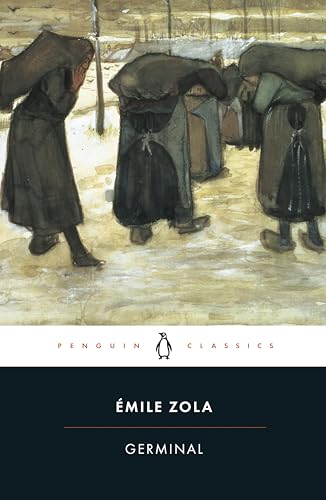
by Émile Zola
This masterpiece of naturalism mirrors The Jungle's visceral depiction of harsh working conditions and the desperate push for labor reform. It captures the raw intensity of a coal miners' strike with a similar focus on the physical and moral toll of industrial labor.

As a modern spiritual successor to Sinclair’s muckraking, this book exposes the dark side of the American food industry and its impact on workers and consumers. It provides the same shocking behind-the-scenes look at systemic corruption and health hazards that made The Jungle famous.

This novel explores the crushing weight of systemic oppression and the feeling of being trapped by one's environment, much like Jurgis Rudkus. It offers a dark, psychological examination of how social and economic structures can drive an individual toward tragedy.

Prefer to listen?
Try Audible and hear the story instead of reading it.
As an Amazon Associate, we earn from qualifying purchases.
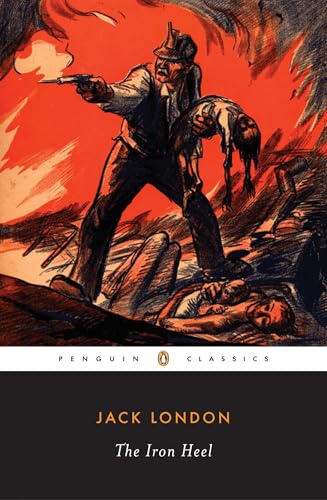
by Jack London
Written by Sinclair’s contemporary, this novel presents a chilling political vision of the struggle between the working class and a powerful oligarchy. It shares the same socialist fervor and urgent warning about the future of industrial capitalism.
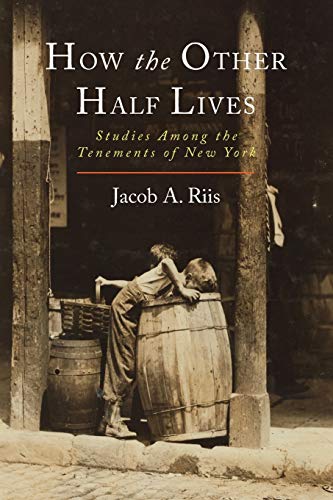
by Jacob Riis
This seminal work of photojournalism and social commentary provides a factual, gritty look at the same immigrant tenements and poverty Sinclair fictionalized. It is essential reading for those interested in the historical reality behind the living conditions described in The Jungle.

by Frank Norris
This novel depicts the brutal struggle between wheat farmers and a powerful railroad monopoly, highlighting the same themes of corporate greed and individual helplessness. It uses a sweeping, realistic style to show how industrial forces crush the lives of ordinary people.

Dreiser’s work shares the naturalistic style of The Jungle, focusing on the harsh realities of urban life and the moral compromises required for survival. It tracks the rise and fall of its characters with a similar emphasis on the influence of environment over individual will.

Dickens offers a sharp, satirical critique of the industrial revolution and the dehumanizing effects of prioritizing facts and profit over human emotion. Like Sinclair, he uses his narrative to advocate for social reform and a more compassionate view of the working poor.

This classic of working-class literature provides a detailed look at the exploitation of laborers and the difficulty of political awakening. It resonates with The Jungle through its focus on workplace dynamics and the systemic nature of poverty.

Love to read on the go?
Explore Kindle e-readers and take your books with you.
As an Amazon Associate, we earn from qualifying purchases.
As an Amazon Associate, we earn from qualifying purchases.