

Based on your book
The last hiccup
by Christopher Meades
The last hiccup drops you into the surreal landscape of 1930s Soviet Russia, where a young boy is inexplicably afflicted with a chronic case of the hiccups. This isn't just a strange medical condition; it becomes the lens through which society views and judges him, propelling him on a bizarre and often heartbreaking journey. Christopher Meades crafts a narrative that is at once deeply poignant, darkly humorous, and genuinely thought-provoking, blending historical fiction with a touch of the fantastical. As Vladimir navigates a world that increasingly sees him as 'evil' rather than ill, the book makes you ponder moral ambiguity, the nature of innocence, and our collective tendency to label what we don't understand. It's for readers who enjoy a story that is both wonderfully strange and profoundly human.
10 Books similar to 'The last hiccup'
If Christopher Meades's 'The last hiccup' captured your imagination, you likely appreciate stories that marry the inexplicable with deep philosophical questions. Our curated list builds on that unique blend, focusing on narratives where characters grapple with absurd, isolating afflictions or transformations. You'll find similar journeys of individuals navigating an often illogical world, frequently presented with a dark, quirky humor that challenges conventional thinking. These selections, from the Kafkaesque struggle against an oppressive system to Bulgakov's satirical take on good and evil, continue to explore the profound strangeness of the human condition.
As an Amazon Associate, we earn from qualifying purchases.

by Franz Kafka
Fans of "The Last Hiccup" will find a direct parallel in Kafka's masterpiece, where a man inexplicably transforms into an insect. Both books delve into the absurd isolation, the body's betrayal, and societal reaction to the profoundly unusual with a similar blend of the bizarre and the tragic.
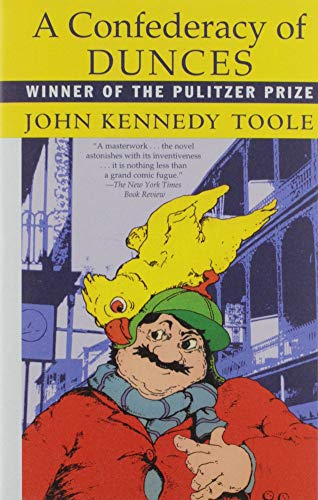
Readers who appreciate the sharp, often dark humor and the eccentric protagonist navigating an absurd world in "The Last Hiccup" will love this Pulitzer-winning novel. It excels at social satire and features a character profoundly out of step with conventional society, leading to wonderfully chaotic situations.

This satirical masterpiece shares "The Last Hiccup"'s talent for finding dark humor in deeply frustrating and illogical situations. It critiques systemic absurdity and the individual's struggle against an unyielding, irrational force, echoing Adam's battle with his own body and an indifferent world.

For those captivated by the blend of the fantastical, the satirical, and the philosophical in "The Last Hiccup," Bulgakov's epic is a perfect match. It features the devil visiting Moscow, unleashing chaos and dark humor, all while exploring profound questions of good, evil, and truth.

Not sure what they've already read?
Let them pick their next favorite with an Amazon Gift Card.
As an Amazon Associate, we earn from qualifying purchases.

by Franz Kafka
Another quintessential Kafkaesque experience, this book mirrors "The Last Hiccup" in its portrayal of an individual caught in an inexplicable, oppressive system. The mounting dread, the absurd bureaucracy, and the protagonist's desperate search for meaning in a meaningless situation will resonate strongly.

This novel offers a quieter, yet equally compelling, exploration of an individual who doesn't fit societal norms, much like Adam's struggle with his condition. It uses a quirky, observational style to delve into themes of identity, conformity, and the subtle absurdities of everyday life.

This classic novella presents a character who adopts an absurd, passive resistance, much like Adam's increasingly detached existence. It's a profound exploration of human nature, societal expectations, and the unsettling power of simply choosing "not to," delivered with a subtle, philosophical tone.

While less humorous, "Blindness" shares "The Last Hiccup"'s core premise of a sudden, inexplicable affliction that throws society into chaos and forces individuals to confront their most primal selves. It's a powerful, allegorical exploration of human nature under extreme duress and societal breakdown.
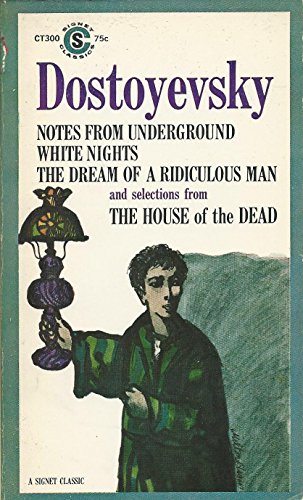
For readers drawn to the introspective, cynical, and psychologically complex aspects of "The Last Hiccup," Dostoevsky's novella is a deep dive into an anti-hero's mind. It offers a raw, philosophical exploration of human consciousness, free will, and the absurdity of existence.

by Han Kang
This unsettling novel shares "The Last Hiccup"'s theme of a character undergoing a profound, inexplicable transformation that alienates them from society and family. It explores the body as a site of rebellion and the disturbing consequences of radical personal choice with a similar intense, psychological depth.

Prefer to listen?
Try Audible and hear the story instead of reading it.
As an Amazon Associate, we earn from qualifying purchases.
As an Amazon Associate, we earn from qualifying purchases.