

Based on your book
The Laws of Human Nature
by Greene, Robert
Robert Greene sets out to dismantle the social masks we wear, offering a clinical, often cold-eyed look at why people act the way they do. He categorizes human behavior into distinct laws, ranging from envy and narcissism to shortsightedness and irrationality. The reading experience feels like sitting in a graduate seminar led by a professor who has spent decades observing the darker corners of corporate and political life. It is dense, slow-paced, and intentionally provocative, forcing you to constantly pause and reflect on your own past interactions. You will not find breezy self-help advice here; instead, you get a handbook for deconstructing the social games played in offices, families, and boardrooms. This is for the reader who values intellectual rigor over comfort and wants to develop a sharper, more objective lens for navigating complex human relationships.
10 Books similar to 'The Laws of Human Nature'
Since you appreciate Greene's analytical approach to the human condition, we have curated a selection that deepens your understanding of power and psychology. These titles bridge the gap between ancient stoic wisdom and modern behavioral science, mirroring the same focus on strategic foresight and cognitive bias. Whether you are looking for the historical foundations of political maneuvering found in Machiavelli or the scientific rigor of Kahneman, these books expand on the themes of social architecture and self-mastery. They are essential reading for anyone interested in the mechanics of influence and the intricate, often irrational, patterns of human behavior.
As an Amazon Associate, we earn from qualifying purchases.

As a foundational text on power dynamics and political strategy, this classic provides the historical and philosophical bedrock for many of the principles Greene explores. Readers who appreciate the cold, analytical dissection of leadership and human ambition in Greene's work will find this equally essential.
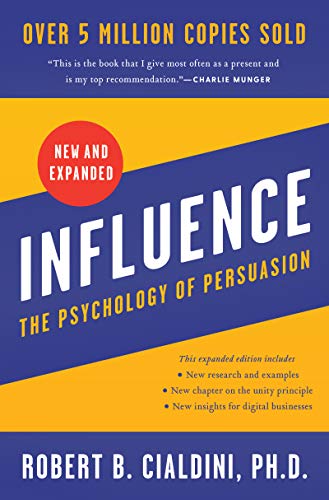
This book serves as a scientific companion to Greene's work, detailing the specific psychological triggers that cause people to comply with requests. It shares the same informative, observational tone and is perfect for those who want to understand the 'how' behind human behavior.
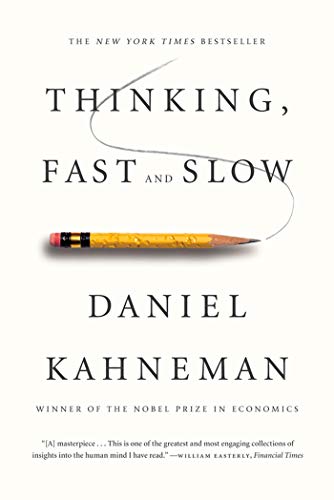
Kahneman offers a rigorous examination of the cognitive biases that shape our judgments and decisions, mirroring Greene's attempt to decode the irrationality of human nature. It is a deep dive into the mental machinery that dictates how we interact with the world.

by Sun Tzu
Much like Greene's books, this ancient treatise focuses on strategy, conflict, and the importance of understanding one's opponent. Its concise, aphoristic style appeals to readers who value pragmatic wisdom and tactical thinking in both life and business.

Prefer to listen?
Try Audible and hear the story instead of reading it.
As an Amazon Associate, we earn from qualifying purchases.

by Dan Ariely
Ariely challenges the assumption that humans act rationally, providing fascinating behavioral experiments that echo Greene's observations on human folly. It is highly accessible and provides a lighter, yet equally insightful, look at why we make the choices we do.

Greene often draws from Stoic philosophy, and this personal journal of the Roman Emperor is the ultimate source for mastering one's emotions and reactions to others. It provides a reflective, stoic counterpoint to the more manipulative strategies found in Greene's other works.

Zimbardo explores how ordinary people can turn evil under certain situational pressures, a theme that aligns perfectly with Greene's darker observations on human nature. It is a chilling, psychological deep dive into how environments shape our moral choices.
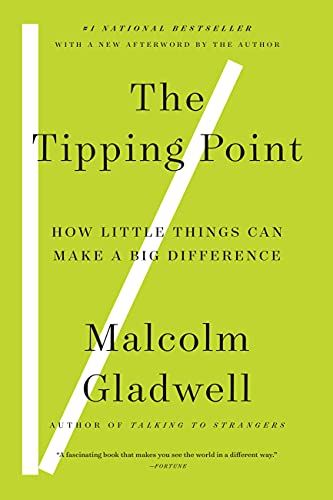
Gladwell examines the subtle social forces that cause trends and behaviors to spread, offering a structural view of human interaction similar to Greene's systemic approach. Readers will appreciate the case-study style and the focus on the mechanics of human influence.

Since it is by the same author, this book is the natural next step for fans of Greene's specific narrative voice and instructional style. It shifts the focus from interpersonal dynamics to the internal journey of achieving excellence in one's field.

While fiction, this novel is perhaps the greatest literary exploration of the human psyche, guilt, and the rationalization of immoral behavior. It serves as a dramatic, narrative embodiment of the psychological complexities Greene analyzes in his non-fiction.

Love to read on the go?
Explore Kindle e-readers and take your books with you.
As an Amazon Associate, we earn from qualifying purchases.
As an Amazon Associate, we earn from qualifying purchases.