

Based on your book
The Left Hand of Darkness
by Le Guin, Ursula K.
Genly Ai is an envoy sent to Gethen, a planet locked in perpetual winter, with the task of convincing its inhabitants to join an interstellar confederation. He is an outsider in every sense, struggling to understand a society where individuals lack fixed gender, shifting their biological roles based on cycles of fertility. The narrative is quiet, deliberate, and deeply intellectual, favoring long, philosophical conversations and rugged treks across ice sheets over high-octane spectacle. You will feel the biting cold of the landscape and the profound isolation of a man trying to bridge a gap between two fundamentally different ways of being human. This book is for the patient reader who enjoys science fiction that functions as an anthropological experiment, prioritizing sociology and internal development over technical gadgetry.
10 Books similar to 'The Left Hand of Darkness'
When you finish this book, you are likely craving more stories that treat alien contact as an exercise in empathy and linguistic puzzle-solving rather than war. Our curated list focuses on works that share Le Guin's commitment to building complex, believable societies. Authors like Arkady Martine and Mary Doria Russell mirror the focus on diplomatic friction and the struggle of the outsider, while N.K. Jemisin and Ann Leckie echo the way this text deconstructs systemic power. These selections explore the intersection of environment, identity, and the fragile, necessary act of communication.
As an Amazon Associate, we earn from qualifying purchases.

As part of the same Hainish Cycle, this novel shares Le Guin's masterful exploration of political systems, social structures, and the philosophical implications of human isolation. It offers a similarly rigorous, intellectual, and deeply empathetic examination of how environment shapes human behavior.

This novel mirrors Le Guin's focus on diplomacy, cultural immersion, and the complexities of communication between alien societies. The protagonist's struggle to navigate a foreign culture while maintaining her own identity will resonate deeply with fans of Genly Ai's journey on Gethen.

by Ann Leckie
Leckie challenges gender norms and identity in a way that echoes Le Guin's groundbreaking work, utilizing a unique narrative voice to explore consciousness and empire. It is a must-read for those who appreciated the anthropological and social science-fiction elements of Gethen.

This book provides a harrowing and beautiful look at first contact, focusing on the linguistic and cultural misunderstandings that arise when humans encounter a truly alien species. Like Le Guin, Russell prioritizes character development and ethical complexity over simple action.

Prefer to listen?
Try Audible and hear the story instead of reading it.
As an Amazon Associate, we earn from qualifying purchases.

Butler's exploration of what it means to be human in the face of an alien presence is as challenging and thought-provoking as Le Guin's work. It delves into biological and social manipulation, forcing readers to confront uncomfortable truths about survival and identity.

by Sue Burke
This novel offers a fascinating anthropological study of a colony planet where the flora is sentient, echoing Le Guin's interest in how environment shapes society. It is a slow-burn, intellectual exploration of communication and co-existence that fans of 'soft' sci-fi will appreciate.

While more post-apocalyptic than space-faring, this book shares Le Guin's lyrical prose style and deep interest in the endurance of culture and art during times of isolation. It is a reflective and haunting meditation on what makes life worth living.

Tchaikovsky constructs an incredibly detailed alien society, mirroring Le Guin's talent for world-building that feels both strange and deeply logical. The focus on the evolution of culture and the inevitability of change makes it a perfect companion to the Hainish novels.

by N.K. Jemisin
Jemisin's masterpiece combines high-stakes world-building with intense, intimate character studies, much like the best of Le Guin. It tackles systemic oppression and social structures through a unique, genre-bending lens that feels both fresh and timeless.
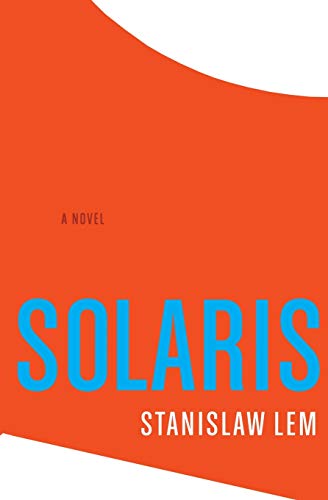
This classic of science fiction focuses on the impossibility of truly communicating with a non-human intelligence, a core theme of *The Left Hand of Darkness*. It is a deeply psychological, claustrophobic, and philosophical novel that challenges the limits of human perception.

Love to read on the go?
Explore Kindle e-readers and take your books with you.
As an Amazon Associate, we earn from qualifying purchases.
As an Amazon Associate, we earn from qualifying purchases.