

Based on your book
The Lessons of History
by Durant, Will
After spending decades writing their massive multi-volume history of civilization, Will and Ariel Durant condensed their findings into this slim, potent volume. Instead of focusing on specific dates or battles, they look at the recurring patterns of human behavior that drive the rise and fall of societies. It reads like a long, late-night conversation with a remarkably well-read mentor who has seen it all before. The prose is elegant and remarkably concise, distilling complex sociological shifts into sharp, aphoristic observations about economics, war, and religion. You do not read this for a chronological timeline; you read it to understand the fundamental mechanics of human nature. This is for the reader who enjoys stepping back from the details of the news cycle to consider the long arc of history and whether we are doomed to repeat our ancestors' mistakes.
10 Books similar to 'The Lessons of History'
Since you enjoyed how the Durants synthesized the chaos of human events into a coherent framework, these selections focus on authors who possess that same rare ability to zoom out. Whether it is the psychological focus of Robert Greene or the geopolitical lens of Jared Diamond, these books share an obsession with the constants of human behavior and the structural forces that shape our species. Each title here treats history not as a collection of facts, but as a laboratory for understanding power, ambition, and the inevitable cycles of growth and decay.
As an Amazon Associate, we earn from qualifying purchases.

Like Durant's work, this is a sweeping, definitive historical analysis that seeks to identify the patterns and human failures that lead to the collapse of civilizations. It offers a similarly authoritative, deeply researched, and analytical perspective on how political power dynamics shape the course of history.

Fans of the broad, macro-historical approach found in The Lessons of History will appreciate Diamond's attempt to explain the trajectory of human societies through environmental and geographical factors. It shares the same intellectual ambition to synthesize vast amounts of history into a cohesive, readable framework.

While written as a personal diary rather than a history book, this classic shares the stoic, reflective, and philosophical tone that permeates Durant's writing. It offers timeless wisdom on human nature and the inevitability of change, mirroring the contemplative spirit found in The Lessons of History.

Durant was heavily influenced by Gibbon's monumental work, which remains the gold standard for narrative history that blends meticulous research with sweeping philosophical insight. Readers who enjoyed the Durants' ability to synthesize the rise and decay of empires will find this essential reading.

Prefer to listen?
Try Audible and hear the story instead of reading it.
As an Amazon Associate, we earn from qualifying purchases.

Harari provides a modern, provocative take on the same 'big history' project that the Durants undertook, examining the biological and cultural forces that shaped our species. It matches the Durants' concise, punchy style and their desire to extract universal lessons from our collective past.

This book pioneered the concept of cultural history, moving beyond mere dates and battles to analyze the spirit of an age, much like the Durants did in their series. It is an intellectual, observational masterpiece that fans of the Durants' thematic approach will deeply appreciate.
As the original source material, this remains the most essential recommendation for those who want to revisit the distillation of the Durants' life work. It serves as a perfect, concise summary of the patterns of history, human nature, and societal evolution.

Hobsbawm offers a brilliant, analytical look at the 'dual revolution' of the French Revolution and the Industrial Revolution, providing the same kind of structural insight found in the Durants' work. It is an indispensable text for understanding how modern global society was forged through historical shifts.

While more focused on psychology than history, this book shares the Durants' premise that human nature is the constant variable throughout time. Readers who enjoyed the Durants' observations on human behavior, ambition, and folly will find Greene's synthesis of history and psychology highly engaging.
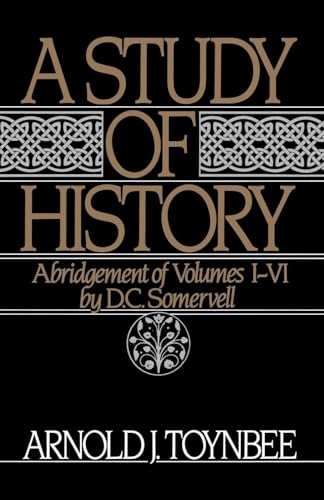
Toynbee's massive project attempted to classify the life cycles of civilizations, a direct intellectual cousin to the work of the Durants. It is a dense, deeply philosophical, and ambitious attempt to find meaning in the rise and collapse of human societies across the globe.

Love to read on the go?
Explore Kindle e-readers and take your books with you.
As an Amazon Associate, we earn from qualifying purchases.
As an Amazon Associate, we earn from qualifying purchases.