

Based on your book
The Light Eaters
by Schlanger, Zoë
Zoë Schlanger takes on the ambitious task of investigating whether plants possess something akin to intelligence, memory, or intent. Rather than anthropomorphizing the greenery in your living room, she meticulously documents the scientific debate surrounding plant perception. The narrative moves at a measured, intellectual pace, inviting you to rethink the boundary between human agency and the silent, solar-powered world of flora. Reading this feels like sitting in on a series of rigorous, fascinating seminars where the experts are as compelling as the data. You will find yourself pausing frequently to look at the trees outside your window with a heightened sense of skepticism and wonder. It is a perfect match for readers who appreciate hard science tempered by a sense of existential curiosity and those who enjoy challenging their own assumptions about where consciousness begins and ends.
10 Books similar to 'The Light Eaters'
If you are hungry for more work that dismantles the hierarchy between human and non-human life, these titles are essential companions. We have curated this list to bridge the gap between rigorous botanical research and deep philosophical inquiry. Whether you are drawn to the microscopic focus of Robin Wall Kimmerer or the expansive, systemic thinking of Merlin Sheldrake, these authors share Schlanger's commitment to revealing the hidden, intricate networks that sustain our planet. They collectively offer a masterclass in shifting your perspective, turning the quiet, overlooked corners of the natural world into centers of profound complexity.
As an Amazon Associate, we earn from qualifying purchases.

Like Schlanger's work, this book fundamentally changes how you perceive the forest, exploring the complex social networks and communication systems of trees. It shares the same sense of awe and scientific curiosity about the intelligence inherent in the natural world.

This book beautifully bridges the gap between scientific knowledge and indigenous wisdom, much like Schlanger's exploration of plant consciousness. It offers a deeply lyrical and philosophical perspective on the reciprocity between humans and the botanical world.

Sheldrake's exploration of the fungal kingdom offers a mind-bending look at the organisms that shape our world, mirroring the revelatory, 'hidden world' feel of The Light Eaters. It is equally rigorous in its science while remaining accessible and wondrous in tone.

While a work of fiction, this novel captures the same deep reverence for trees and the interconnectedness of life that Schlanger investigates. It weaves together human lives with the slow, deliberate timescales of forests in a way that feels scientifically grounded and emotionally resonant.

Prefer to listen?
Try Audible and hear the story instead of reading it.
As an Amazon Associate, we earn from qualifying purchases.
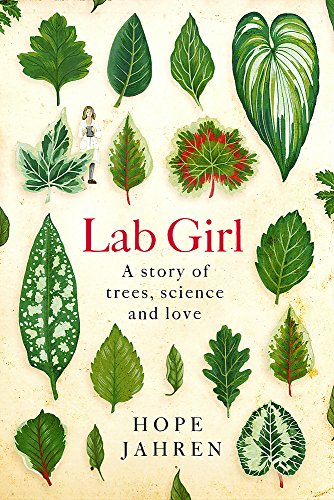
by Hope Jahren
This memoir by a geobiologist captures the intense, obsessive, and often lonely life of a scientist studying the natural world. It shares the same passion for botany and the struggle to understand the silent, persistent lives of plants.

Simard, whose research is often cited in plant intelligence studies, provides a personal account of her discoveries regarding forest communication. It pairs perfectly with Schlanger's work by grounding high-level scientific concepts in a human, lived experience.

Pollan flips the script on the human-plant relationship, suggesting that plants have successfully manipulated us as much as we have cultivated them. It shares the same inquisitive, slightly subversive spirit found in The Light Eaters.

This collection of essays offers a microscopic look at the world of moss, blending scientific observation with deep, meditative reflection. It is essential reading for anyone who enjoyed the way Schlanger highlights the overlooked complexities of plant life.

A classic in nature writing, this book explores the relationship between gardening and the natural world with intelligence and humor. It provides a grounded, philosophical look at our attempts to control nature and what nature teaches us in return.

Haskell examines the interconnectedness of trees with the wider world through a series of sensory-focused essays. It matches the observational intensity of The Light Eaters, urging the reader to listen closer to the non-human world.

Love to read on the go?
Explore Kindle e-readers and take your books with you.
As an Amazon Associate, we earn from qualifying purchases.
As an Amazon Associate, we earn from qualifying purchases.