

Based on your book
The Long and the Short of It
by John Kay
The Long and the Short of It is John Kay's incisive guide to navigating the often-opaque world of modern finance. This isn't a book about stock tips; it's a deep dive into the underlying structures and often self-serving motivations that drive the financial system. Kay pulls back the curtain with a clear, analytical voice, revealing the follies and complexities that can threaten stability. The reading experience feels like having a seasoned, slightly cynical but ultimately empowering mentor reveal the true game. He doesn't just explain how things are; he challenges you to think critically about them, equipping you to make informed decisions for yourself. This book is for anyone who wants to genuinely understand the 'behind the scenes' power dynamics of finance, value intellectual rigor, and gain a more cynical, yet ultimately self-reliant, perspective on managing their own wealth.
10 Books similar to 'The Long and the Short of It'
If John Kay's sharp, analytical insights in The Long and the Short of It resonated with you, our recommendations continue that journey. We've chosen books that further explore the behavioral quirks of human decision-making and the systemic flaws within finance. You'll find authors who, like Kay, offer a critical, 'behind the scenes' look at power dynamics and challenge conventional wisdom about markets and wealth. These selections empower you with a deeper, often cynical, but always intellectually rigorous understanding of the economic world.
As an Amazon Associate, we earn from qualifying purchases.
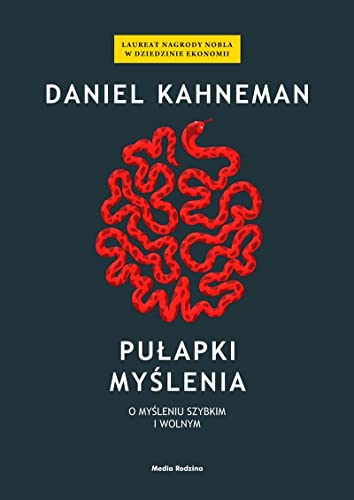
This groundbreaking book delves into the two systems that drive our thinking, offering profound insights into cognitive biases and decision-making. Fans of John Kay will appreciate its rigorous analysis of human rationality (or lack thereof) and its implications for economic and financial choices.

by Richard H. Thaler and Cass R. Sunstein
Building on behavioral economics, 'Nudge' explores how subtle interventions can guide choices towards better outcomes, a concept that aligns with Kay's interest in practical applications of economic theory. Readers will find its focus on 'choice architecture' and policy implications highly relevant to Kay's critique of systemic flaws.

Taleb's work directly confronts the limitations of predictive models and the impact of unpredictable, high-consequence events, a central theme in Kay's discussions of uncertainty versus measurable risk. Readers who enjoyed Kay's skepticism towards conventional financial wisdom will find Taleb's arguments compelling.

This book explores how people misinterpret luck and randomness, especially in financial markets, a concept crucial to Kay's critique of short-term performance metrics and the illusion of control. It offers a deep dive into the psychological biases that lead to flawed economic judgments.

Prefer to listen?
Try Audible and hear the story instead of reading it.
As an Amazon Associate, we earn from qualifying purchases.

This historical account of central bankers' decisions leading to the Great Depression illustrates the profound real-world consequences of economic policy and the challenges of decision-making under uncertainty. It provides a rich narrative context for the systemic issues John Kay discusses.
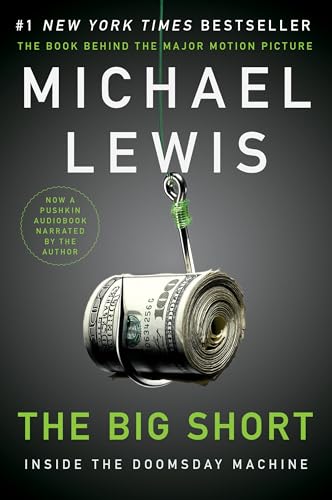
Lewis's gripping narrative about the individuals who foresaw the 2008 financial crisis exposes the systemic flaws, short-term incentives, and complex financial instruments that John Kay frequently critiques. It brings to life the consequences of the economic behaviors Kay analyzes.

Thaler's personal and intellectual journey in developing behavioral economics offers a fascinating 'behind the scenes' look at the ideas that underpin many of Kay's arguments about human irrationality and market inefficiencies. Readers will enjoy the blend of personal narrative and intellectual history.

Graeber's sweeping historical and anthropological re-evaluation of debt, money, and markets challenges conventional economic narratives and provides a deeper, long-term perspective on economic structures. This aligns with Kay's broader, critical view of modern finance and the need to understand its historical context.
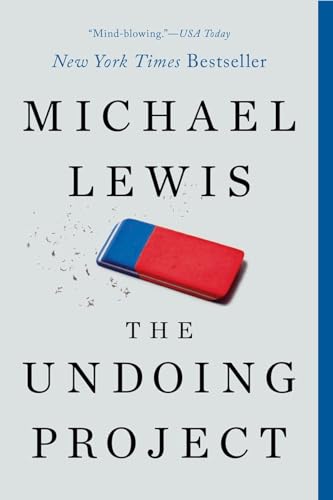
This book chronicles the groundbreaking collaboration between Daniel Kahneman and Amos Tversky, whose work in behavioral economics fundamentally changed our understanding of decision-making. It provides the intellectual foundation for many of John Kay's critiques of rational economic models, presented through a compelling human story.
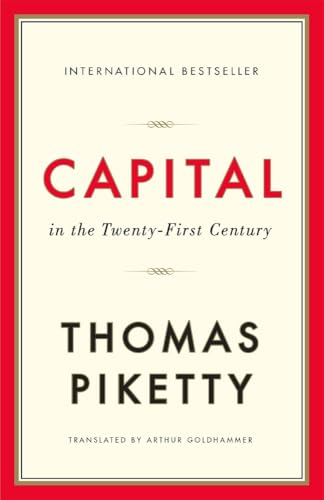
Piketty's monumental work examines the historical dynamics of wealth and income inequality, offering a long-term, data-driven perspective on capital accumulation that resonates with Kay's emphasis on systemic issues. Readers will appreciate its rigorous analysis and broad scope in understanding economic structures.

Love to read on the go?
Explore Kindle e-readers and take your books with you.
As an Amazon Associate, we earn from qualifying purchases.
As an Amazon Associate, we earn from qualifying purchases.