
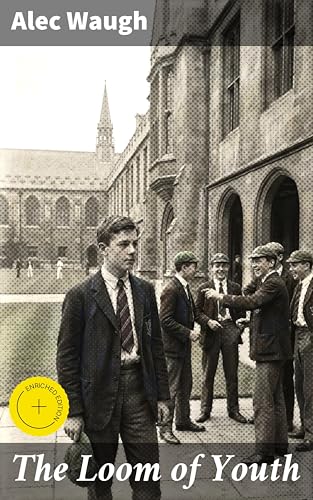
Based on your book
The Loom of Youth
by Waugh, Alec
When Alec Waugh published this at seventeen, he effectively dismantled the romanticized myth of the British public school. The story follows Gordon Carruthers as he navigates the rigid, often cruel hierarchy of boarding school life. Unlike the moralizing tales that came before it, this book is unflinchingly honest about the boredom, the obsession with athletics, and the stifling social codes that define adolescent survival. The pacing feels like the slow, grueling progression of a school term, heavy with the weight of expectations and the creeping realization that childhood innocence is a fragile, temporary state. This is an introspective, melancholy look at how institutions mold—and sometimes break—young men. It is for readers who appreciate historical fiction that prioritizes psychological realism over nostalgia and who want to understand the origins of the modern school narrative.
10 Books similar to 'The Loom of Youth'
Since this book casts such a long shadow over the genre, our curated list explores the various ways writers have grappled with the school experience since. We have paired it with works like A Separate Peace and The History Boys to highlight the intense, often volatile dynamics of adolescent friendship and the constant tension between students and authority. If you find yourself drawn to the social commentary and the loss of innocence found here, these selections offer different perspectives on the same formative, and often painful, transition into the adult world.
As an Amazon Associate, we earn from qualifying purchases.

Like Waugh's work, this novel offers a candid and somewhat cynical look at the British public school system, focusing on the camaraderie and rebellion of boys navigating authority. It shares the same authentic, gritty atmosphere of school life that challenged the idealized conventions of the genre.

by James Hilton
While softer in tone than Waugh's scandalous debut, this classic captures the deep, lifelong impact of the public school environment on both students and masters. It provides a poignant, nostalgic counterpoint to the turbulent school life depicted in The Loom of Youth.

by John Knowles
Set in a boarding school during World War II, this novel explores the intense, complex, and often destructive dynamics of adolescent friendships. It mirrors Waugh's interest in the psychological pressures and loss of innocence inherent in the transition to adulthood.

As the foundational text of the British school story genre, this book provides the context that Alec Waugh was reacting against. Readers interested in the evolution of the genre will appreciate seeing the stark contrast between Hughes' moralistic idealism and Waugh's modern realism.

Love to read on the go?
Explore Kindle e-readers and take your books with you.
As an Amazon Associate, we earn from qualifying purchases.

by Evelyn Waugh
Written by Alec's younger brother, this novel shares the same keen observation of British class structures, elite education, and the emotional turbulence of youth. It offers a more mature, lyrical exploration of the themes of nostalgia and social transition that Alec Waugh first tackled in his school days.

by Muriel Spark
This novel deconstructs the influence of authority figures on impressionable youth, much like Waugh examined the influence of masters and older boys. It shares a sharp, satirical, and deeply intelligent narrative voice that exposes the darker undercurrents of educational institutions.

by E.M. Forster
Forster's exploration of forbidden love and identity during the early 20th century resonates with the subtextual tensions found in The Loom of Youth. Both books navigate the restrictive social codes of the time and the internal struggle for authenticity.

by Alan Bennett
This play/novelization revisits the intense, intellectual, and often fraught relationship between students and teachers in a British school. It captures the same spirit of questioning authority and the awkward, brilliant, and painful process of growing up.
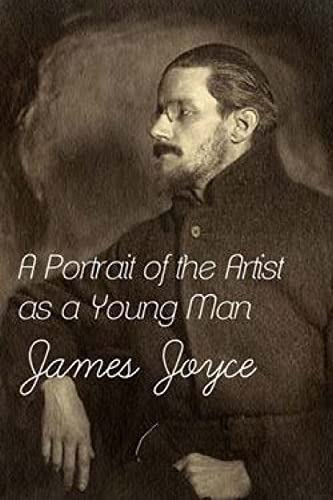
by James Joyce
This seminal work of modernist literature dives deep into the psychological development of a young man caught between religious, social, and academic expectations. It shares the intense, introspective focus that Waugh employed to depict the internal life of his protagonist.

While far more allegorical, this book takes the 'schoolboy' archetype to its logical, dark, and savage conclusion. It serves as a fascinating companion piece for those interested in the darker, unchecked social dynamics that Alec Waugh began to uncover in his own school setting.

Not sure what they've already read?
Let them pick their next favorite with an Amazon Gift Card.
As an Amazon Associate, we earn from qualifying purchases.
As an Amazon Associate, we earn from qualifying purchases.