

Based on your book
The Looting Machine
by Burgis, Tom
The Looting Machine is a cold, meticulous autopsy of the resource curse. Burgis tracks how the immense wealth buried beneath African soil—oil, diamonds, and minerals—rarely benefits the citizens of those nations, instead fueling a cycle of violence, autocracy, and systemic theft. This is not a dry academic text; it reads like a high-stakes investigation into a global crime syndicate. The tone is relentlessly gritty and analytical, pulling back the curtain on the shadowy brokers and corporate interests that keep the machine running. You feel the weight of the injustice on every page, but the writing remains disciplined and sharp. This is essential reading for anyone who wants to look past the surface of international headlines and understand the actual mechanics of power, greed, and the hidden financial conduits that sustain modern kleptocracies.
10 Books similar to 'The Looting Machine'
Since you finished The Looting Machine, you are likely looking to further map the intersection of global finance and political corruption. Our curated list focuses on the architects of this instability, shifting from the resource-based exploitation Burgis details toward the offshore banking networks and privatized military forces that protect these interests. Whether you want to explore the theoretical incentives that keep dictators in power or the specific mechanics of tax havens, these selections maintain that same investigative intensity and refusal to look away from the darker realities of our globalized economy.
As an Amazon Associate, we earn from qualifying purchases.

by Tom Burgis
Written by the same author, this investigative masterpiece continues the exploration of global corruption and the shadow financial networks that enable it. It offers the same relentless, high-stakes journalistic pursuit of the truth behind how the world's elite hide their wealth.

by Leif Wenar
This book provides a rigorous analysis of the global trade in natural resources and how the 'resource curse' funds authoritarian regimes. Readers who appreciated the systemic critique in 'The Looting Machine' will find this equally eye-opening and intellectually stimulating.
Sampson provides a deep historical context for the exploitation of African resources, tracing the patterns of greed that Burgis highlights in his work. It serves as an essential companion for understanding the long-term impact of foreign corporate interests on the continent.

by Bruce Bueno de Mesquita and Alastair Smith
While more theoretical than Burgis's narrative style, this book explains the mechanics of political survival that allow the kleptocrats in 'The Looting Machine' to thrive. It offers a cynical, sharp look at the incentives that drive corruption.

Prefer to listen?
Try Audible and hear the story instead of reading it.
As an Amazon Associate, we earn from qualifying purchases.

by P.W. Singer
This investigative work explores the rise of private military companies, which are often the muscle behind the resource extraction operations described by Burgis. It provides a chilling look at the privatization of violence in the modern world.

Wedel examines the 'flexians'—the elite individuals who operate across the boundaries of government and private industry to manipulate systems for personal gain. This directly mirrors the networks of influence and corruption exposed in Burgis's reporting.

Shaxson offers a granular look at the oil industry in Africa, specifically focusing on how the wealth generated by resources is siphoned away from the people. It shares the same investigative DNA and urgent, investigative tone as 'The Looting Machine'.
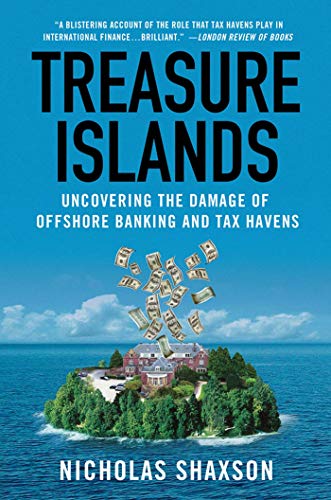
This book exposes the tax havens and financial secrecy jurisdictions that allow the 'looting' to happen in the first place. It is a perfect follow-up for readers who want to understand the financial architecture that makes corruption possible.

by Bastian Obermayer and Frederik Obermaier
Written by the journalists who broke the massive leak, this book provides a thrilling, real-time look at the global effort to uncover hidden wealth. It matches the investigative rigor and high-stakes atmosphere of Burgis's work.

by John Perkins
Perkins provides a first-person account of how international financial institutions and corporations manipulate developing nations into debt. While controversial, it offers a narrative perspective on the same systemic exploitation themes found in 'The Looting Machine'.

Love to read on the go?
Explore Kindle e-readers and take your books with you.
As an Amazon Associate, we earn from qualifying purchases.
As an Amazon Associate, we earn from qualifying purchases.